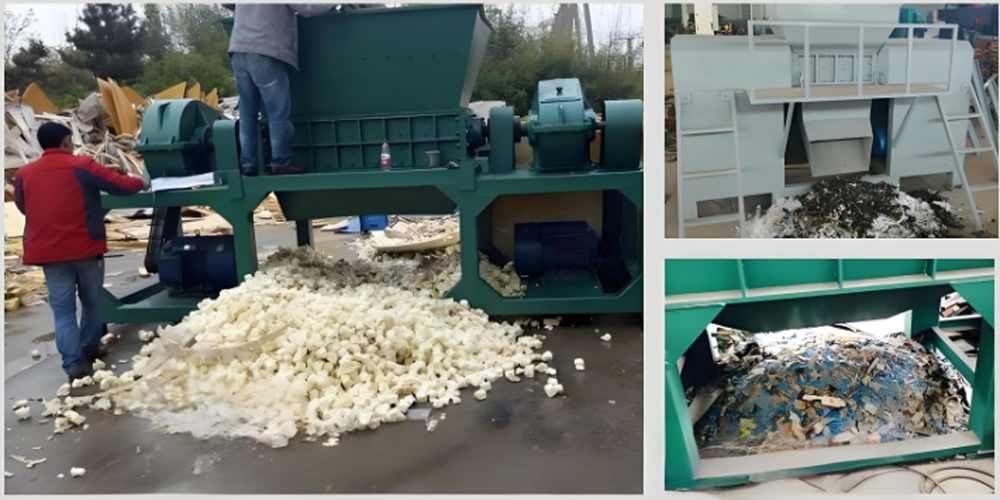
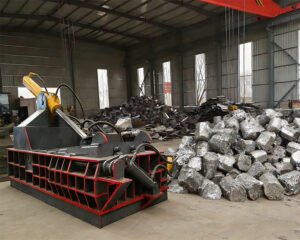
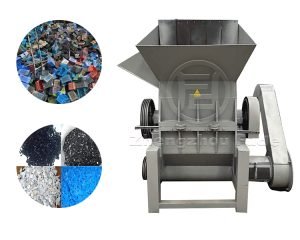
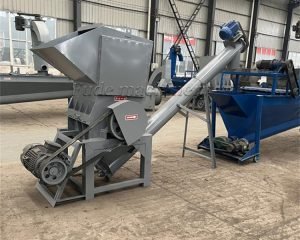
Struggling with mountains of scrap? Waste disposal costs soaring? Industrial shredders offer a powerful solution beyond just making things smaller. They unlock hidden value in your waste stream.
Industrial shredders do much more than reduce volume. They increase material processing efficiency, enhance the recycling value of materials, optimize storage and transport, and handle diverse waste types, creating significant operational and financial benefits.
Thinking a shredder just shrinks waste misses the bigger picture. These machines are key tools for improving your bottom line and streamlining operations. Let’s explore the real advantages they bring to businesses like yours.
How Much Can Industrial Shredders Boost Material Processing Efficiency?
Is manual material handling slowing you down? Labour costs for sorting and breaking down waste adding up? Shredders automate and speed up this critical first step.
Industrial shredders significantly boost processing efficiency. They rapidly break down bulky items, reduce manual labor needs, and prepare materials consistently for downstream sorting, separation, or recycling processes.
Improving efficiency is crucial for any industrial operation, especially in waste management and recycling. Slow processing creates bottlenecks, increases labor costs, and delays revenue generation from recycled materials. Industrial shredders directly tackle these issues.
By automating the size reduction process, they drastically cut down the time and manpower needed compared to manual methods or less powerful equipment. This speed allows for a higher volume of material to be processed daily. Consistent output particle size also makes subsequent sorting and separation processes (like magnetic separation or screening) much more effective.
Key Efficiency Gains
We see these benefits consistently with our clients using our shredders. Faster processing means quicker turnover of waste stockpiles and faster realization of income from recycled commodities. Reduced labor needs free up personnel for other tasks or lower overall staffing costs.
Shredder Types and Efficiency
Different shredders offer varying levels of throughput and are suited for specific materials, impacting overall efficiency.
Shredder Type
Typical Throughput
Best Suited For
Efficiency Factor
Single-Shaft
Moderate to High
Plastics, Wood, Paper, Light Metals
Precise sizing, good for homogenous materials
Double-Shaft
High
Mixed Waste, Tires, Metals, Bulky Items
High torque, versatile, less prone to jamming
Quad-Shaft
Very High
Secure Destruction, Metals, E-waste, Tough Items
Consistent small particle size, high security
Our Custom Lines
Tailored to Need
Specific customer materials and output goals
Optimized for specific applications
Choosing the right shredder type, like the single, double, or quad-shaft models we manufacture at Zhengzhou Fude Machinery, is vital for maximizing efficiency based on your specific waste stream and processing goals. Our ability to provide complete, customized lines ensures the shredder integrates seamlessly with upstream and downstream equipment like conveyors and sorters.
Does Shredding Increase the Recycling Value of Materials?
Are you getting the best price for your scrap materials? Could processing them further unlock higher returns? Shredding is often the first step towards significantly increasing value.
Yes, shredding typically increases the recycling value of materials. It creates smaller, denser, and more uniform pieces that are easier to sort, clean, and transport, resulting in higher purity grades and better prices.
Raw, unprocessed scrap often contains contaminants or is mixed with other materials. It’s bulky and difficult to handle. Buyers pay less for such material because they have to invest more effort in processing it themselves. Shredding transforms this low-value scrap into a more desirable commodity.
The process breaks down large items, liberating different materials from each other (like separating metals from plastics in e-waste). Smaller pieces have a greater surface area, which aids in cleaning and drying. Most importantly, shredded material is much easier to sort using techniques like magnetic separation, eddy currents, or optical sorting.
How Shredding Adds Value
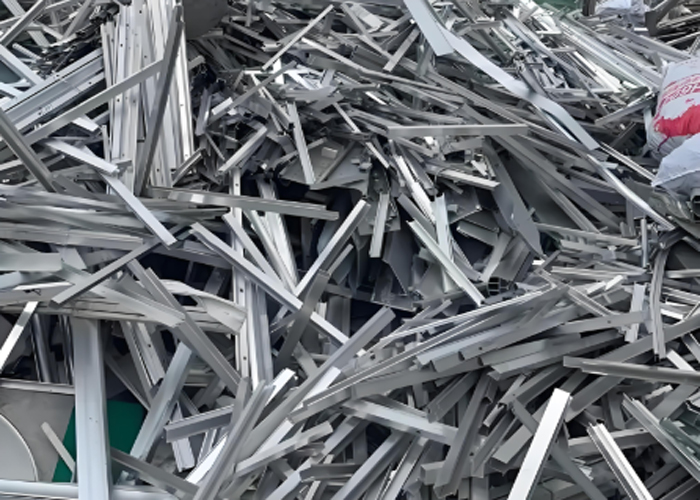
The key benefit is achieving higher purity. For example, shredded steel can be easily separated by magnets, resulting in a clean ferrous product that commands a higher price than mixed scrap. Shredded aluminum can be processed through eddy current separators. Shredded plastics can be sorted by type and color more effectively. This improved sortation leads directly to higher-grade recycled materials, which are more valuable to smelters, foundries, and manufacturers.
Value Increase Examples
Material
Unshredded State
Shredded State
Value Increase Factor
Scrap Steel
Bulky, mixed items, lower density
Dense, uniform pieces, easier magnetic separation
Higher price due to purity & density
Aluminum Cans
Bulky, light, take up space
Densified, easier to melt
Improved handling and melt efficiency
Mixed Plastics
Bales of mixed types/colors
Smaller pieces, easier optical/manual sort
Higher value for sorted fractions
Tires
Whole, difficult to handle
Chips/crumb, ready for downstream use
Usable commodity (TDF, rubber crumb)
E-Waste
Whole units, complex mix
Liberated components, easier separation
Recovery of precious/base metals
At Zhengzhou Fude Machinery, we don’t just provide shredders; we offer complete solutions including auxiliary equipment like magnetic separators, screening machines, and conveyors.
This allows our clients to set up integrated processing lines that maximize material separation and, therefore, the final value of their recycled products. Our experience across various waste streams helps us design lines that deliver the best possible return.
Bulky Waste Taking Up Space? How Do Shredders Optimize Storage and Transportation?
Is your yard overflowing with bulky scrap metal or plastic? Are high transportation costs cutting into your profits? Shredding dramatically reduces material volume, saving space and money.
Shredders optimize storage and transportation by significantly reducing the volume of bulky waste. This densification allows more material to fit into storage areas and transport containers, lowering handling and freight costs.
Bulky waste like old appliances, car bodies, large plastic drums, or wooden pallets occupies a disproportionate amount of space relative to its weight. This creates logistical challenges. Storage yards fill up quickly, requiring more land or frequent, costly clear-outs.
Transporting unshredded bulky items is highly inefficient; trucks or containers often “cube out” (reach their volume limit) long before they reach their weight limit. This means more trips are needed to move the same tonnage, significantly increasing fuel, labor, and vehicle wear-and-tear costs.
Shredding directly addresses this by breaking down these large, awkward items into smaller, more uniform, and denser pieces.
Volume Reduction Impact
The volume reduction achieved through shredding can be substantial, often ranging from 50% to as much as 80% or more, depending on the original material and the shredder used. Think about how much air is trapped within an empty drum or a crushed car body – shredding eliminates this wasted space. The resulting shredded material packs much more densely.
Cost Savings Breakdown
Cost Area
Before Shredding
After Shredding
Savings Mechanism
Storage
Requires large yard/warehouse space
Reduced footprint, more material per sq. meter
Better space utilization, lower land costs
Handling
Awkward, potentially requires cranes
Easier handling with loaders, conveyors
Faster loading/unloading, less equipment
Transportation
High cost per ton (cubed out loads)
Lower cost per ton (weight limit reached)
Fewer trips, lower fuel & labor costs
Container Fees
More containers needed per ton
Fewer containers needed per ton
Reduced container rental/purchase fees
As manufacturers of robust shredders like heavy-duty double-shaft models, we understand the importance of processing bulky and tough materials effectively. Our machines are designed to handle items like scrap metal, tires, and industrial plastics, transforming them into dense, easily transportable fractions.
This densification is a key benefit for our clients, especially those dealing with large volumes or exporting materials internationally, where container space is at a premium. The savings on logistics alone often provide a rapid return on investment for a shredder.
From Metal to Plastic to Wood, How Wide is the Application Range of Industrial Shredders?
Wondering if a shredder can handle your specific type of waste? Are you dealing with multiple material streams? Industrial shredders are incredibly versatile processing machines.
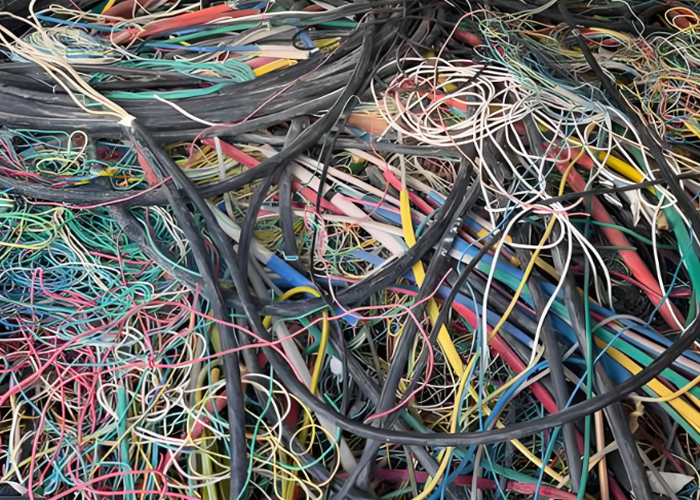
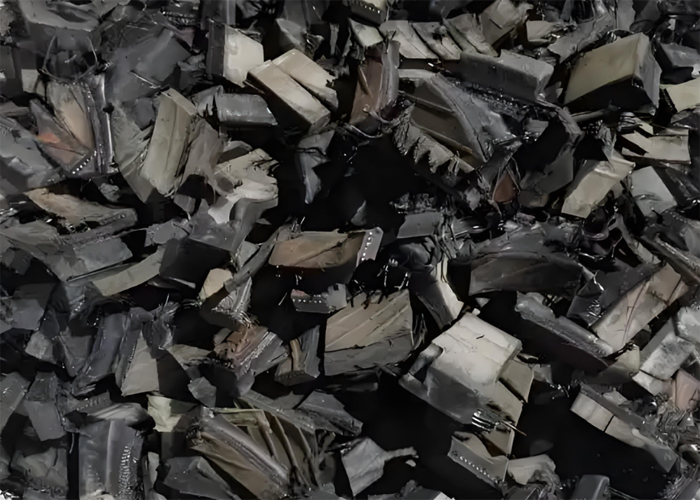
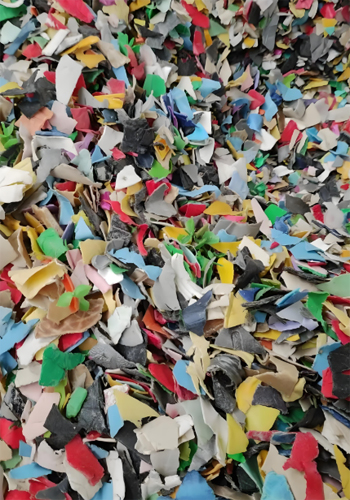
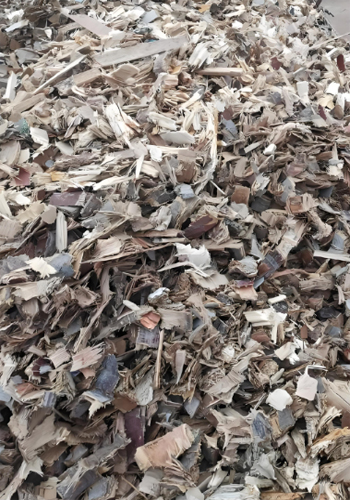
Industrial shredders have an extremely wide application range. They effectively process diverse materials including ferrous and non-ferrous metals, various plastics, rubber tires, wood waste, municipal solid waste (MSW), e-waste, and more.
The core function of an industrial shredder – size reduction through powerful cutting or tearing action – is applicable to a vast array of materials found in industrial, commercial, and municipal waste streams. This versatility makes them indispensable tools in recycling facilities, manufacturing plants, waste transfer stations, and secure destruction operations.
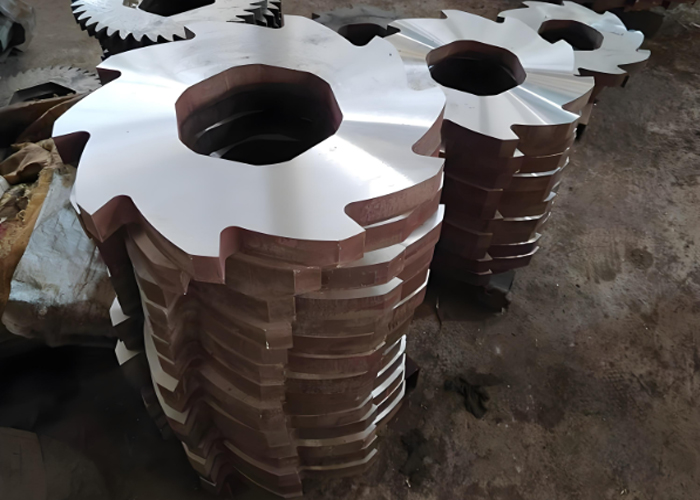
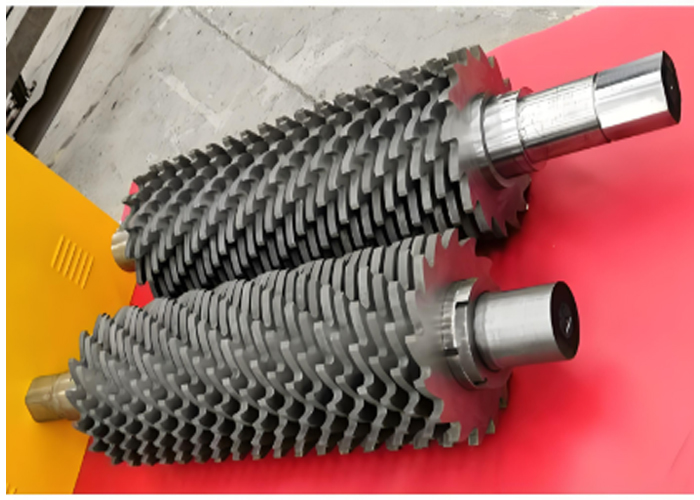
Different shredder designs (single-shaft, double-shaft, quad-shaft) and configurations (blade types, screen sizes) allow for optimization based on the specific material being processed and the desired output characteristics. It’s not a one-size-fits-all solution, but the fundamental technology is adaptable.
Common Shredder Applications
The list of materials successfully processed by industrial shredders is extensive. Our machines at Zhengzhou Fude Machinery are used across many sectors.
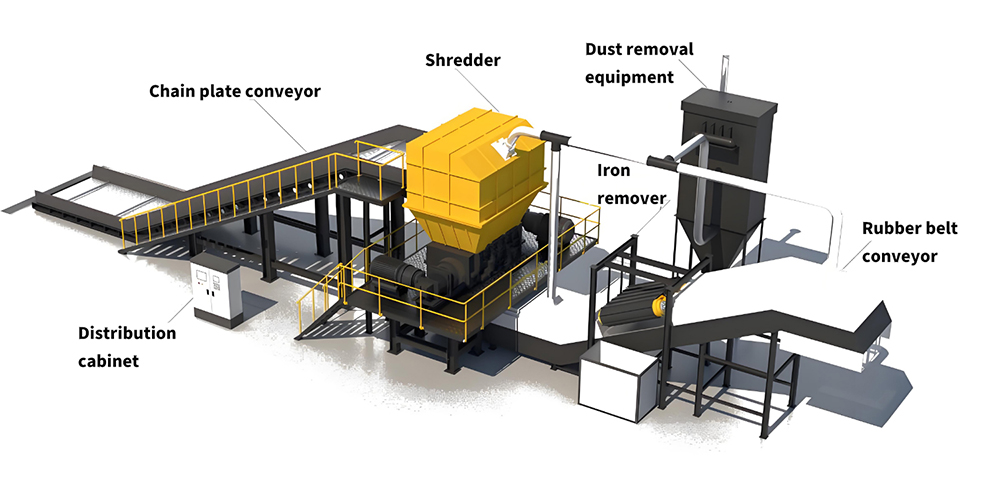
Our company, Zhengzhou Fude Machinery, specializes in providing shredders tailored to these diverse applications. We offer single, double, and quad-shaft shredders, along with complete processing lines including conveyors, magnetic separators, screens, and dust collectors.
This comprehensive range allows us to supply effective solutions whether a client needs to shred scrap metal, process tires into rubber crumb, or manage mixed industrial waste. Our customization capability ensures the equipment matches the specific material and throughput requirements.
What Key Factors Should Be Considered When Choosing the Right Industrial Shredder?
Key factors when choosing an industrial shredder include: the type and volume of material to be processed, required output particle size, necessary throughput capacity, budget, maintenance needs, and the supplier’s service and support.
Critical Selection Criteria
Thinking through these points will guide you towards the most suitable shredder.
Key Consideration Checklist
As a manufacturer (Zhengzhou Fude Machinery), we emphasize understanding these factors thoroughly during the consultation phase. Our advantage lies in our ability to customize solutions. Being factory-direct allows us to offer competitive pricing, while our comprehensive product line (shredders, conveyors, sorters) and full-service support (design, manufacturing, installation, training, after-sales) provide a one-stop solution for our B2B clients worldwide. We aim to provide not just a machine, but the right machine for your success.
Conclusion
Industrial shredders deliver core value far beyond simple volume reduction. They enhance efficiency, increase material value, cut logistical costs, and manage diverse waste streams effectively for improved profitability.
Zhengzhou Fude Machinery integrates research and development, manufacturing, and sales. We have a professional technical team that deeply understands customer needs, recommends and answers equipment questions for customers, teaches operation techniques, and produces wood crushers, organic fertilizer equipment, metal processing equipment, etc. If you want to learn about the processing industry, please consult us.
Balers are essential machines used in various industries for compacting waste and recyclable materials into manageable bales. Whether you’re in agriculture, recycling, or waste management, understanding the cost of a baler and what factors influen...
What Are the Different Types of Metal Balers?What Key Factors Should You Consider Before Buying?Why is Customization from the Factory So Important?2026 Trends in Metal Baling TechnologyCommon Questions and AnswersSummary and Recommendations Choosi...
Plastic crusher is a mechanical equipment specially used for crushing and processing various waste plastics, scraps, waste products and other materials
 Fudemetal Crusher