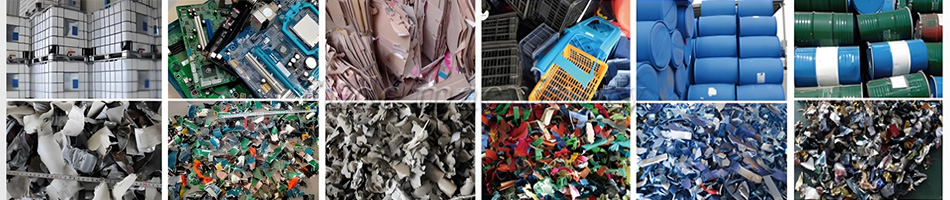
Choosing between a single-shaft shredder and a double-shaft shredder is a major investment for your business. It is a decision that directly impacts your efficiency, your product quality, and your final profit margin. At Fude Machinery, we believe the best way to make this choice is to stop thinking about machine specs and start thinking about tools. What job are you trying to do?
The Double-Shaft Shredder: Your Demolition Hammer
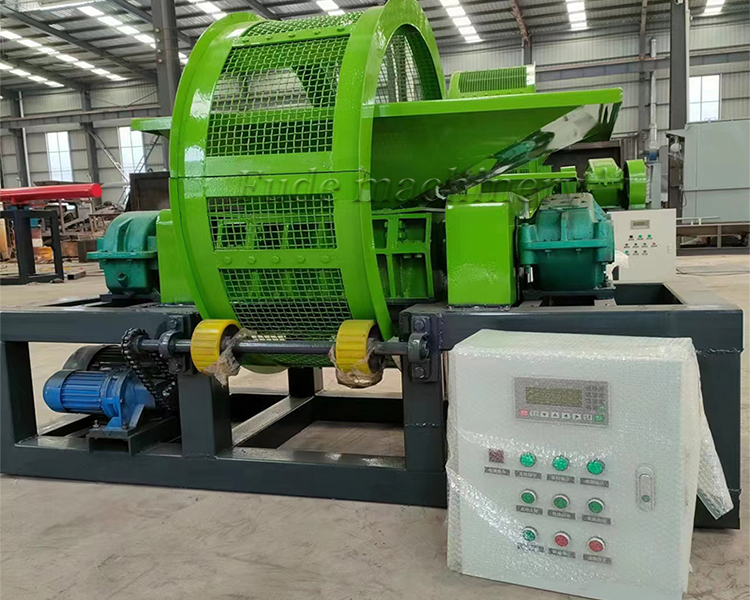
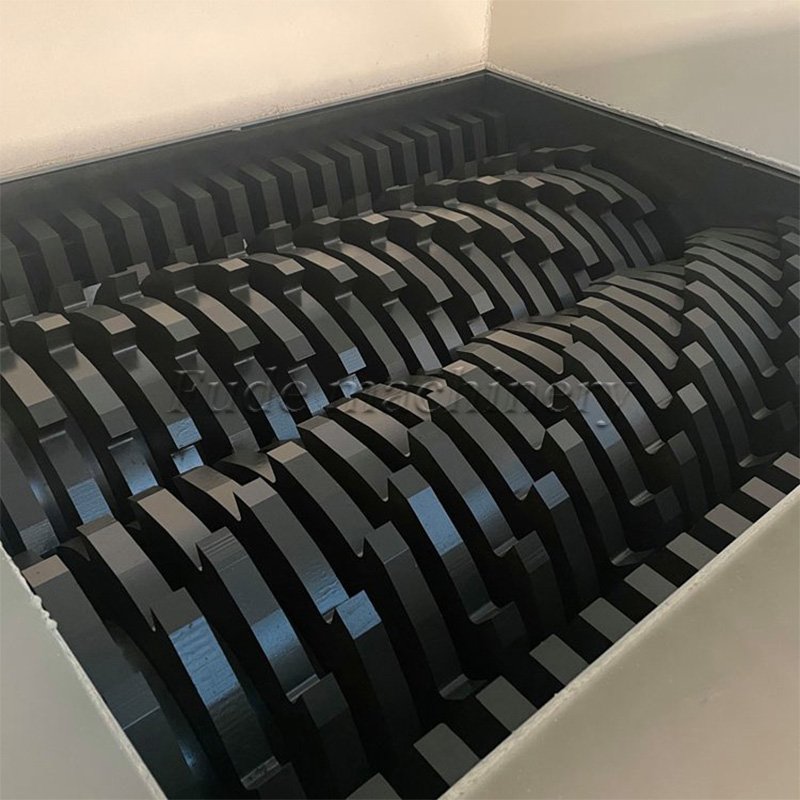
A double-shaft shredder is your Demolition Hammer. It is built for raw, unstoppable power. It uses two shafts with thick, hooking blades that rotate slowly with extremely high torque. They grab, pull, and tear apart anything you feed them. There is no screen. There is no delicate cutting. Its only purpose is to demolish.
This is the machine you use for primary size reduction on your toughest, bulkiest materials. Think of scrap cars, washing machines, baled aluminum, or construction debris. The Demolition Hammer takes these large items and rips them into rough, manageable strips. This reduces their volume, makes them easier to transport, and prepares them for sorting. It is the essential first tool in any heavy-duty recycling operation.
The Single-Shaft Shredder: Your Finishing Saw
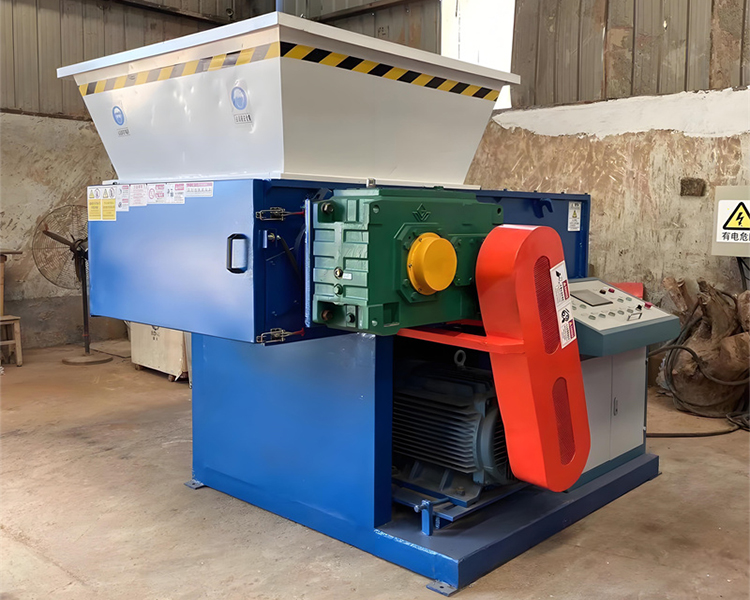
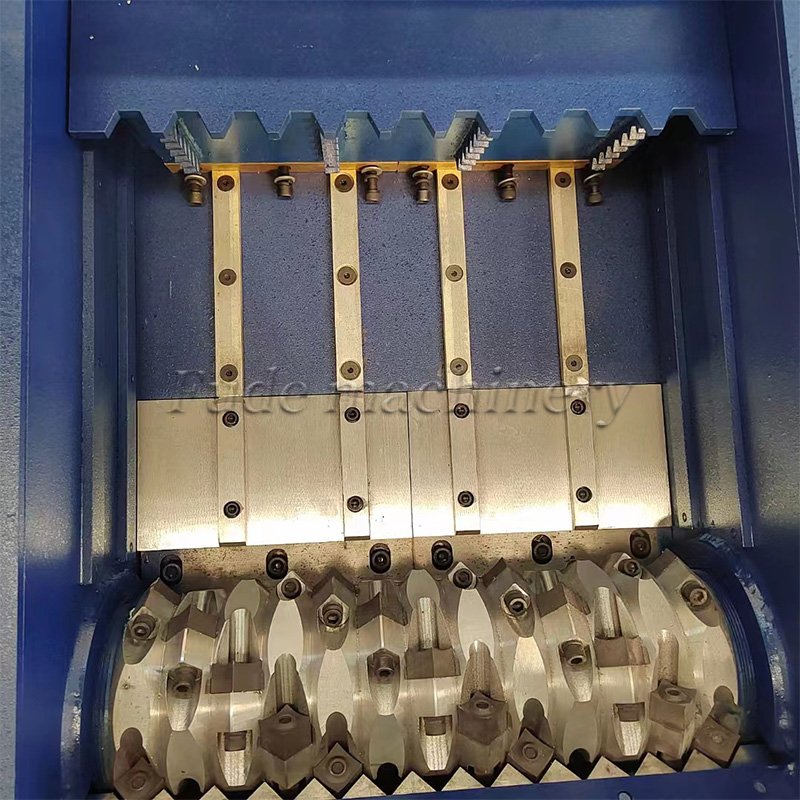
A single-shaft shredder is your Finishing Saw. It is built for control and precision. It uses a single, high-speed rotor lined with cutter teeth that cut material against a stationary blade. A hydraulic ram pushes the material into the rotor for a consistent cut. The most important feature is the sizing screen underneath.
This is the machine you use to create a final, valuable product. Material is cut repeatedly inside the chamber until it is small enough to fall through the screen. This means you have total control over the output size. If your customer requires 40mm plastic flakes or 50mm wood chips, the Finishing Saw delivers exactly that. It turns processed material into a uniform, high-quality commodity that commands a higher price.
The Real Difference: How They Impact Your Profit
The choice between the Hammer and the Saw is a choice about how you make money. This table breaks down the business implications.
Business Factor
Double-Shaft (Demolition Hammer)
Single-Shaft (Finishing Saw)
What This Means for Your Bottom Line
Business Goal
High-volume size reduction.
Creating a high-value, uniform product.
The Hammer lowers storage and transport costs. The Saw creates a premium product that sells for more.
Input Material
Tough, bulky, contaminated materials.
Cleaner, more uniform materials.
Using the wrong machine leads to high maintenance costs and kills efficiency. Match the tool to the material.
Output Value
Low value, inconsistent strips (for further processing).
High value, uniform chips (a sellable commodity).
The Saw directly produces a profitable product. The Hammer is the first step in a longer value chain.
Operational Impact
Handles cheap, difficult input material.
Requires pre-sorted or cleaner input.
The Hammer allows you to process a wider range of low-cost scrap. The Saw requires a more controlled process.
A Simple Checklist to Guide Your Investment
Use this checklist to see which tool fits your operation.
You need a DOUBLE-SHAFT SHREDDER (The Hammer) if:
✅ Your main goal is to reduce the volume of large, bulky items.
✅ You process tough materials like cars, tires, or mixed scrap metal.
✅ Your input material is often mixed or contains contaminants.
✅ Your goal is to produce a uniform product of a specific size.
✅ You process materials like plastic, wood, or paper.
✅ Your input material is relatively clean.
✅ The shredded material is your final product, ready to be sold.
Combining Tools: The Complete Production Line Strategy
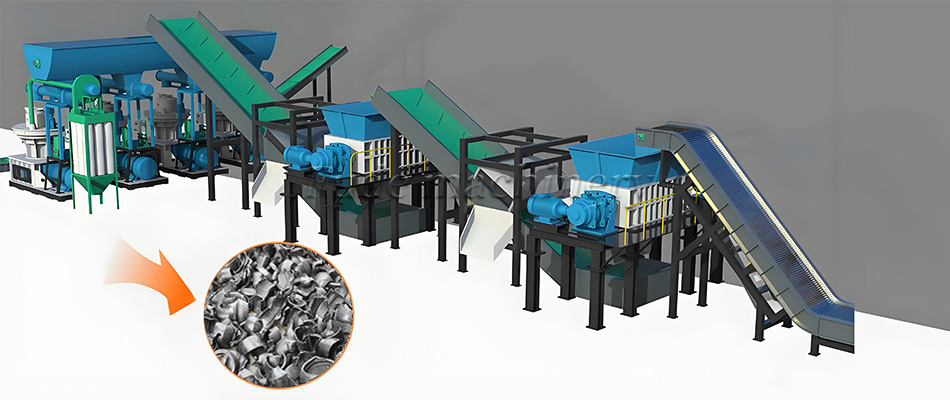
For the most profitable operations, the answer is not “either/or” but “both.” A complete production line uses each tool for its intended purpose.
Stage 1: The Demolition Hammer. A double-shaft shredder takes a whole scrap car and tears it into large pieces.
Stage 2: Sorting. Magnetic separators and other systems separate the ferrous metal from other materials.
Stage 3: The Finishing Saw. A single-shaft shredder takes the clean metal pieces and refines them into a specific size, creating a premium-grade product that steel mills pay top dollar for.
This combination provides the power to handle anything and the precision to create maximum value.
FAQ: Your Shredder Investment Questions
Question 1: Which shredder costs more to maintain? Both are built for durability, but their maintenance costs are different. The double-shaft shredder is more robust against contamination, but its large blades and gearboxes are a major expense to service. The single-shaft shredder is more sensitive to metal contamination (which can damage the screen), but its individual cutters are smaller and can often be rotated to extend life before replacement.
Question 2: Is the double-shaft shredder a better machine because it’s more powerful? No. It is a different tool for a different job. Using a powerful double-shaft shredder to make 50mm plastic chips is extremely inefficient. It would produce inconsistent strips, not valuable chips. The “better” machine is the one that profitably accomplishes your specific goal.
Question 3: Can I start with one machine and expand later? Absolutely. This is a smart growth strategy. Many of our clients begin with a double-shaft shredder to get their volume-reduction business running. As they grow, they invest in sorting systems and a single-shaft shredder to start producing higher-value refined materials.
Conclusion: Choose Your Strategy, Then Your Tool
The single-shaft vs. double-shaft shredder debate is not about technology. It is about your business strategy. Are you in the demolition business or the finishing business? Are you wielding a Hammer or a Saw?
Making the right choice from the start is the most important step towards building a profitable recycling operation. As a direct manufacturer, our expertise goes beyond just the machine. We help you analyze your materials, your goals, and your market to design a system that delivers the highest return on investment.
Contact us at Fude Machinery for a professional analysis of your needs. We will help you choose the right tool for the job.
So, How Does a Plastic Crusher Actually Work?The Step-by-Step Working PrincipleWhy is the Blade Design So Critical?Claw Knife CrushersFlat Knife CrushersV-Type Blade CrushersWhat Are the Common Applications for a Plastic Crusher?Key Feat...
Is your plant overflowing with bulky metal scraps or turnings?The Space ProblemHandling HeadachesHidden CostsWhat is a metal briquetting machine, and how does it work?The Core Mechanism: Hydraulic PowerStep-by-Step: From Loose Scrap to Dense Block...
There are significant differences between horizontal and vertical packers in terms of design structure, functional characteristics, application scenarios, operational complexity, cost-effectiveness, and material handling capabilities.
Table of ContentsIntroductionWhat Is a Metal Crusher?How a Metal Crusher Works1. Feeding the Materials2. Crushing Mechanism3. Output and RecyclingTypes of Metal Crushers1. Single-Axis Crushers2. Dual-Axis Crushers3. Waste Treatment CrushersBenefi...
 Fudemetal Crusher