 Fudemetal Crusher
What is a can flattening machine
732Widely used in various canned beverage manufacturers and waste recycling stations
View detailsSearch the whole station
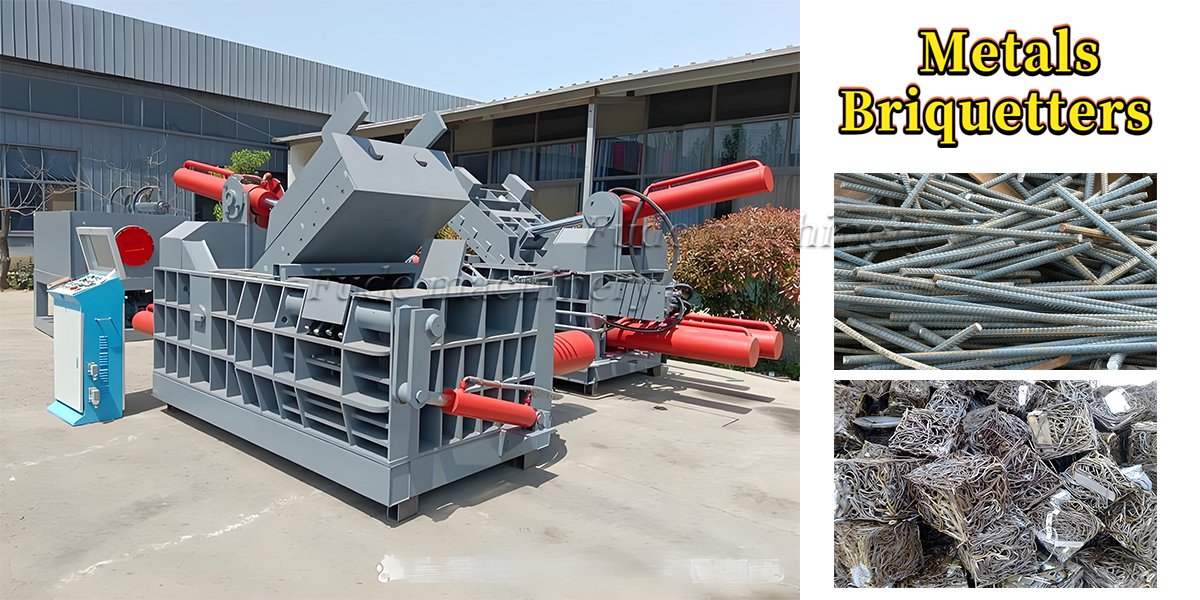
A hydraulic baler, also known as a scrap metal baling press, is a heavy-duty machine designed for one simple but crucial task: to take large, bulky scrap metal and compress it into dense, manageable blocks called bales. Imagine taking a messy pile of empty cans, sheet metal offcuts, and tangled wire and squashing it into a neat, stackable cube. That is exactly what a hydraulic baler does, using immense force generated by a hydraulic system. For any business that handles significant amounts of scrap metal, this machine is a fundamental tool for improving efficiency, safety, and profitability.
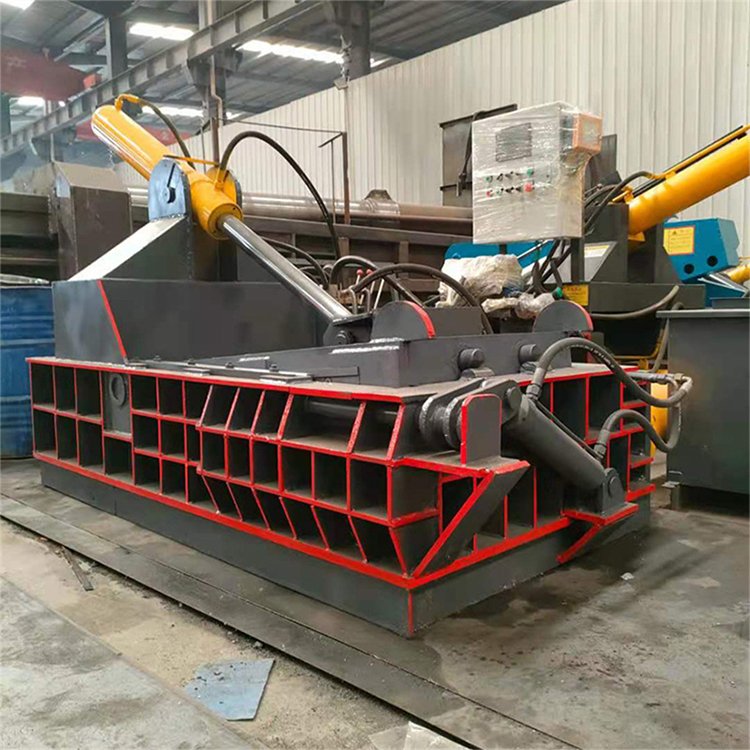
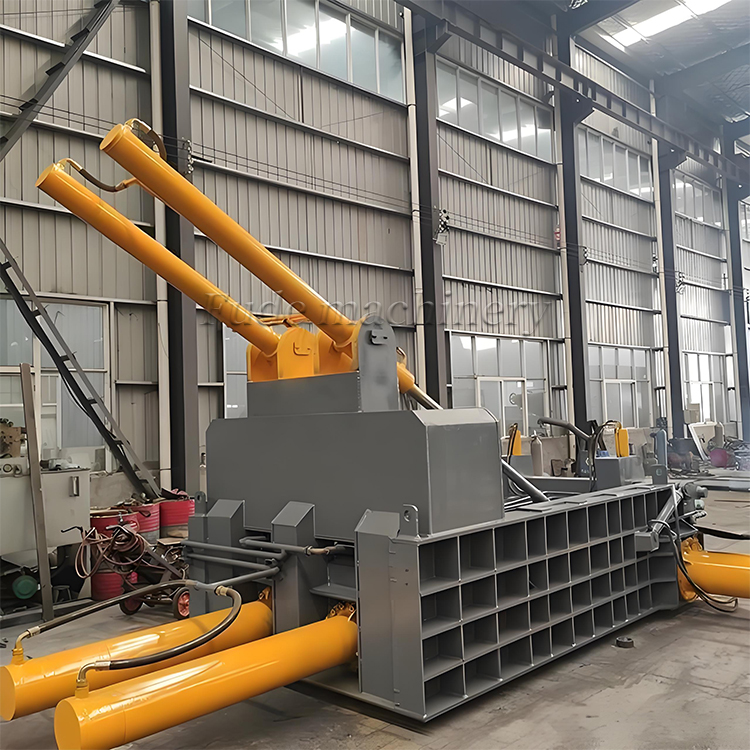
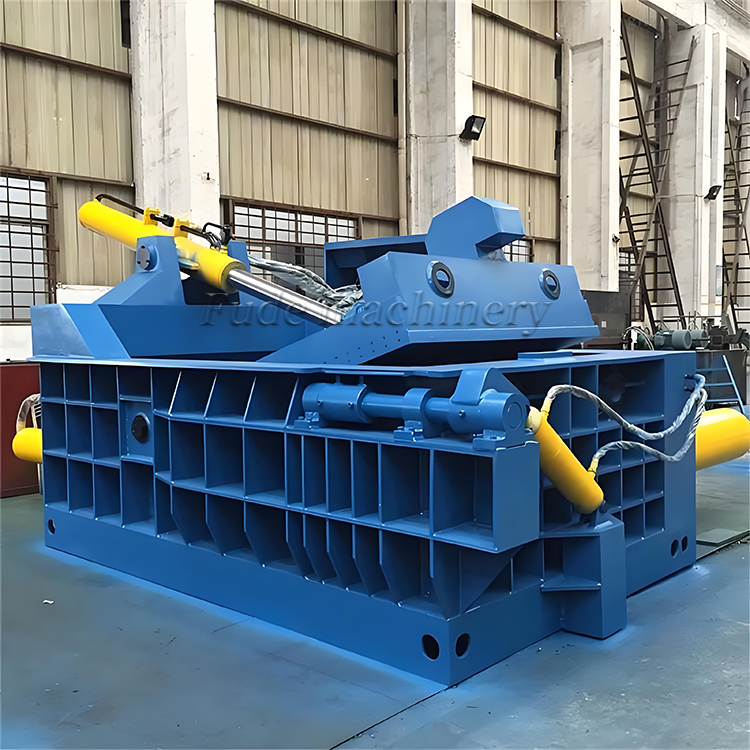
The process uses a sequence of powerful hydraulic rams to compress scrap from multiple directions. Unlike a simple trash compactor, a metal baler is a precision machine designed to create very dense, uniform bales. The operation is typically semi-automatic, requiring an operator to load the chamber and start the cycle. From there, the machine’s PLC takes over and completes the process automatically.
Here is a breakdown of the four main steps in a typical baling cycle.
The cycle begins when the large compression chamber, or press box, is filled with scrap metal. This can be done using a grabber attached to an excavator, a conveyor belt, or by manually dumping bins of material into the chamber. It is important not to overfill the box to allow the lid to close properly.
Once the chamber is loaded, the operator starts the automatic cycle. First, a heavy-duty hydraulic cylinder closes the lid, applying the initial downward compression. This flattens the material and locks the chamber. Immediately after, a side ram pushes forward from one side, further compacting the scrap into a corner of the box.
Now comes the main event. The main compression ram, the most powerful cylinder in the machine, pushes forward with tremendous force. This ram delivers the final, intense compression that forms the scrap into its final, dense bale shape. The combined pressure from the lid, side ram, and main ram squeezes out almost all the empty space.
After the main ram has reached its full extension, it retracts. The chamber door opens, and the main ram pushes forward one last time. This final push ejects the finished, compact bale out of the machine. The bale is now ready to be moved by a forklift, stacked for storage, and sold for a premium price.
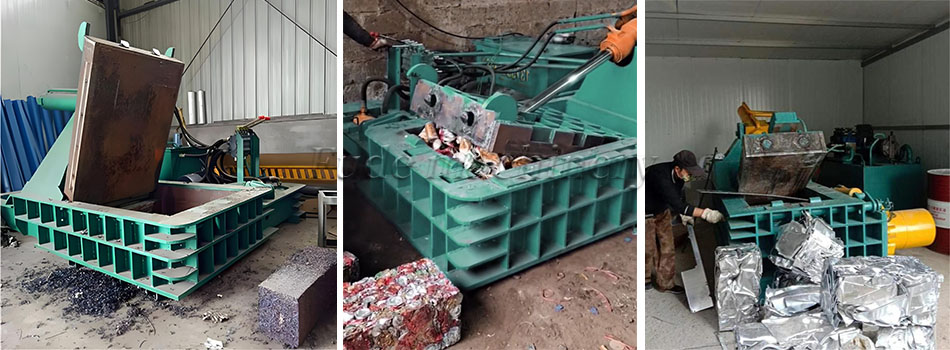
A hydraulic baler is not just a piece of equipment; it is a business investment that pays for itself. The benefits go far beyond just tidying up your scrap yard. It directly impacts your operational costs and revenue in several positive ways.
| Benefit | How It Works | What It Means For Your Business |
|---|---|---|
| Drastic Space Saving | Compresses bulky scrap into blocks, reducing its volume by as much as 90%. | Frees up valuable floor space in your factory or yard for more productive activities. A cleaner space is a safer space. |
| Lower Transportation Costs | You can fit significantly more weight into a single truck or shipping container. | Drastically reduces your shipping and logistics expenses. You can move the same amount of scrap with fewer trips. |
| Increased Scrap Value | Foundries and steel mills prefer dense, uniform bales. They are easier to handle and melt more efficiently. | Buyers will pay a higher price per ton for baled material compared to loose scrap. This directly increases your revenue. |
| Improved Safety and Housekeeping | Eliminates dangerous piles of loose, sharp scrap metal. | Reduces the risk of injuries to your employees and creates a more organized, professional working environment. |
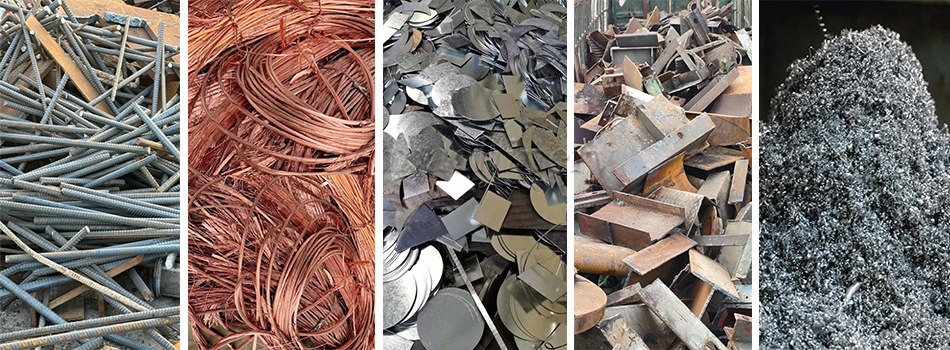
Our hydraulic balers are built to be tough and versatile. We design them to handle the wide variety of materials found in recycling yards, stamping plants, and manufacturing facilities. As a manufacturer, we can also customize the machine’s strength and chamber size to best suit your specific type of scrap.
The key is that the material should be compressible. Our heavy-duty models, like those with double master cylinders, are designed for processing tougher, thicker steel scrap.
Choosing the right baler means matching the machine’s capabilities to your specific needs. Buying a baler that is too small will create a bottleneck in your operation. Buying one that is too large means you have overspent on capacity you will never use. As a factory-direct supplier, we help you analyze your needs to find the perfect fit.
Practical tips for you:
• Analyze your scrap for one week: Keep a log of the types and approximate weight of scrap you produce.
• Talk to your scrap buyer: Ask them what bale size and density they prefer. This can help you command a better price.
• Measure your available space: Know the footprint you have available for the machine and for storing the finished bales.
Explore our range of customizable machines on our hydraulic baler product page.
Question 1: Are these machines difficult to operate and maintain?
Our balers are designed for simple operation with a user-friendly PLC control panel. We provide full training during installation. Daily maintenance is straightforward, mainly involving checking hydraulic fluid levels and keeping the machine clean.
Question 2: What is the difference between a baler and a briquetting machine?
A baler is for large, bulky scrap (like sheet metal, wire, rebar). It creates large, rectangular bales. A briquetting machine is for small, fine scrap (like metal chips, turnings, dust). It creates small, cylindrical briquettes and is excellent at recovering cutting oil. Many large facilities use both.
Question 3: Why should I buy directly from a Chinese factory like Fude Machinery?
Buying factory-direct cuts out the middlemen, traders, and distributors. This means you get a much better price for a high-quality machine. You also get direct access to the engineers who designed your machine for technical support and customization.
So, what is a hydraulic baler? It is a powerful investment in efficiency and profitability. By taking your loose, low-value scrap metal and transforming it into dense, high-value bales, it attacks your biggest cost centers—storage space and transportation—while simultaneously increasing your revenue. The process is a simple and reliable sequence of hydraulic compression that results in a safer, cleaner, and more profitable operation.
The key to a successful investment is choosing the right machine. Don’t just buy a standard model. Work with a manufacturer who can help you select the right size, power, and features for the scrap you actually handle.
We are Fude Machinery, a leading Chinese manufacturer of scrap metal recycling equipment. Since 2015, our 8,000-square-meter factory has been producing high-performance hydraulic balers, briquetting machines, and complete processing lines for B2B clients in over 120 countries. We offer the quality and customization of a top brand with the significant cost advantages of buying factory-direct. We provide full-service support, from design and manufacturing to installation and after-sales service.
Ready to turn your scrap problem into a profit center? Contact Fude Machinery today to discuss your needs and get a customized quote for the perfect hydraulic baler.
Widely used in various canned beverage manufacturers and waste recycling stations
View details
One of the key tools in metal recycling is the metal baler, which compresses scrap metal into manageable, transportable, and reusable bales. Whether you're in a steel mill or a recycling and processing industry, having a reliable metal baler can g...
View details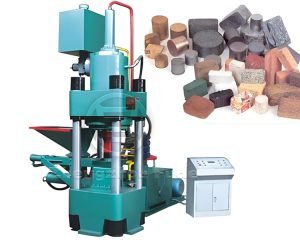
The vertical metal chip compactor compresses metal waste into cakes through high-pressure physical compression
View details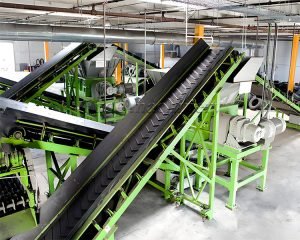
What's the Difference Between Shredding a Car and an Aluminum Window?How Do We Design the Right "Appetite" for Your Scrap Metal Shredder?Matching the Shredder Type to the MetalWhat About the "Side Dishes"? Creating a Full Metal Recycling PlantHow ...
View details