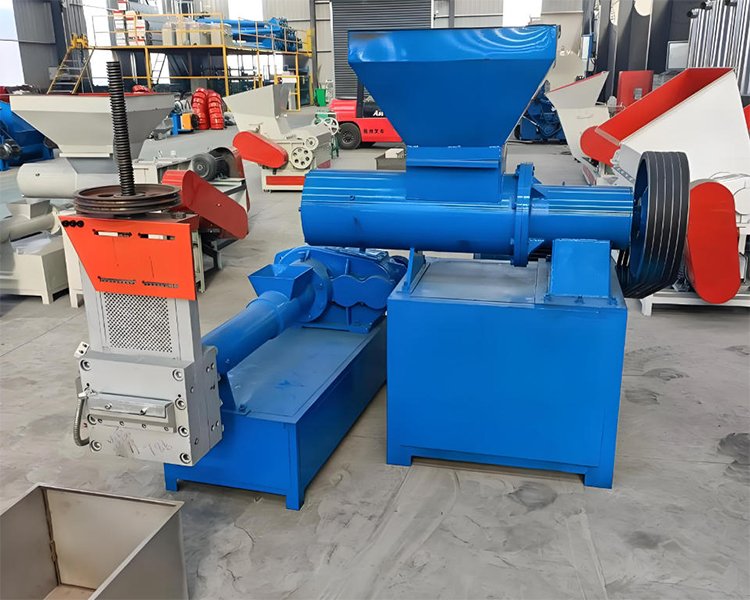
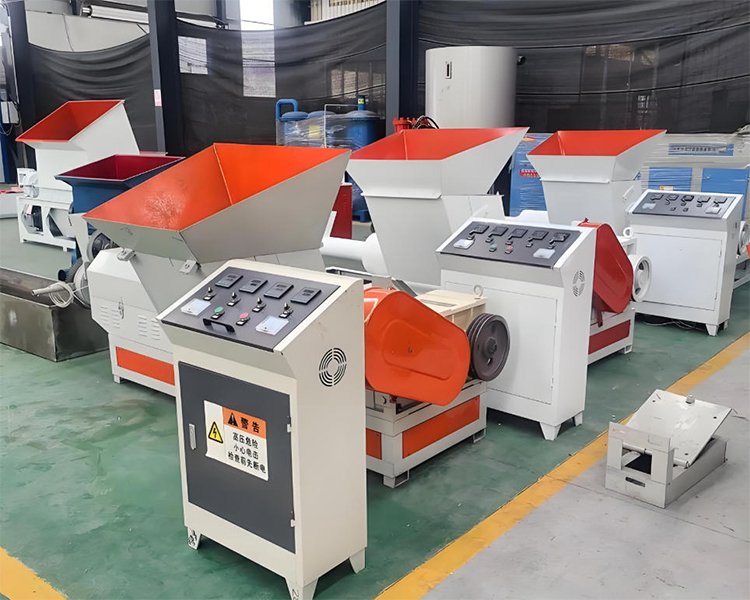
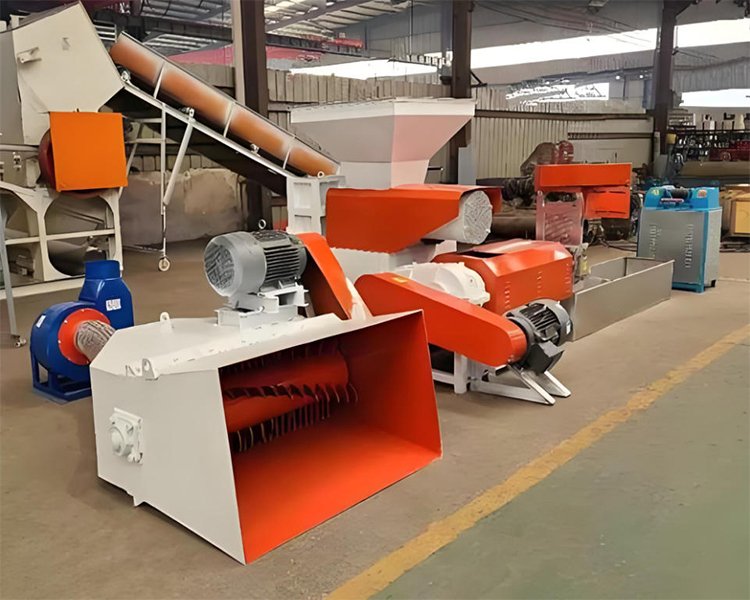
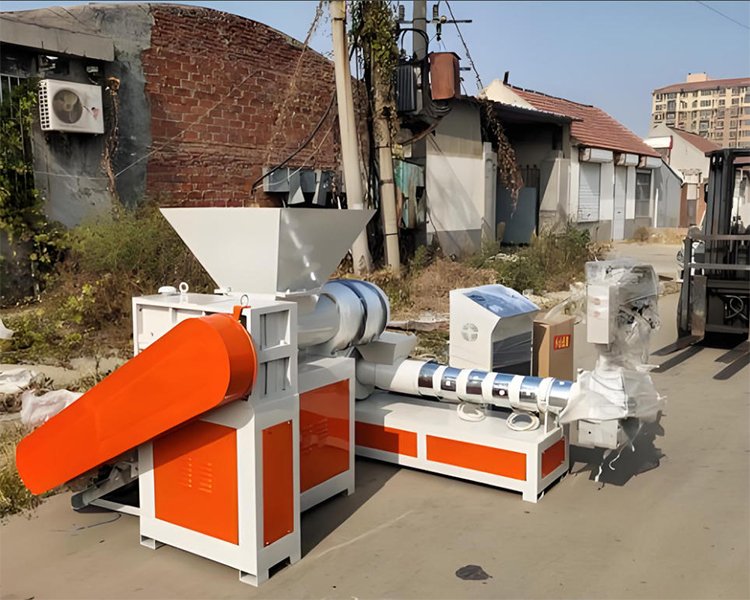
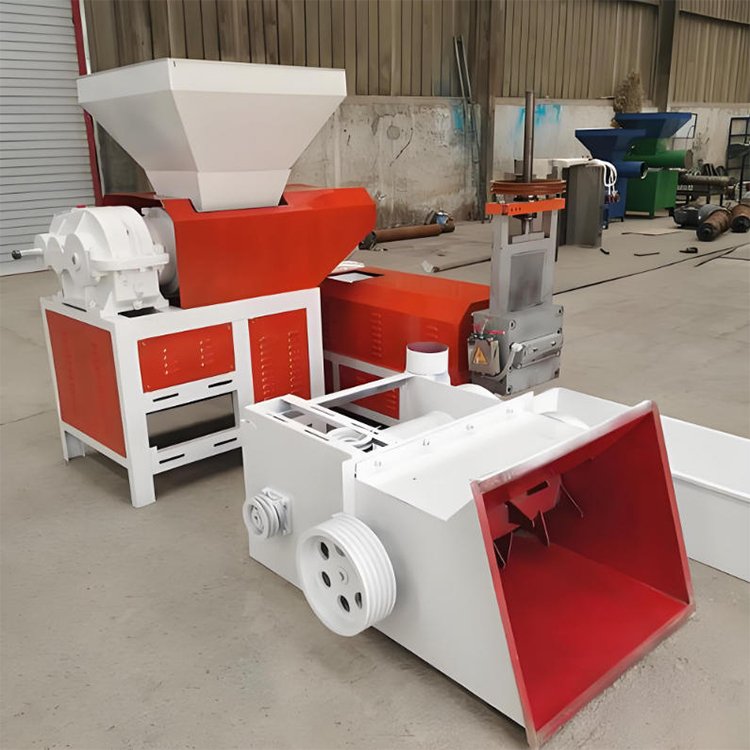
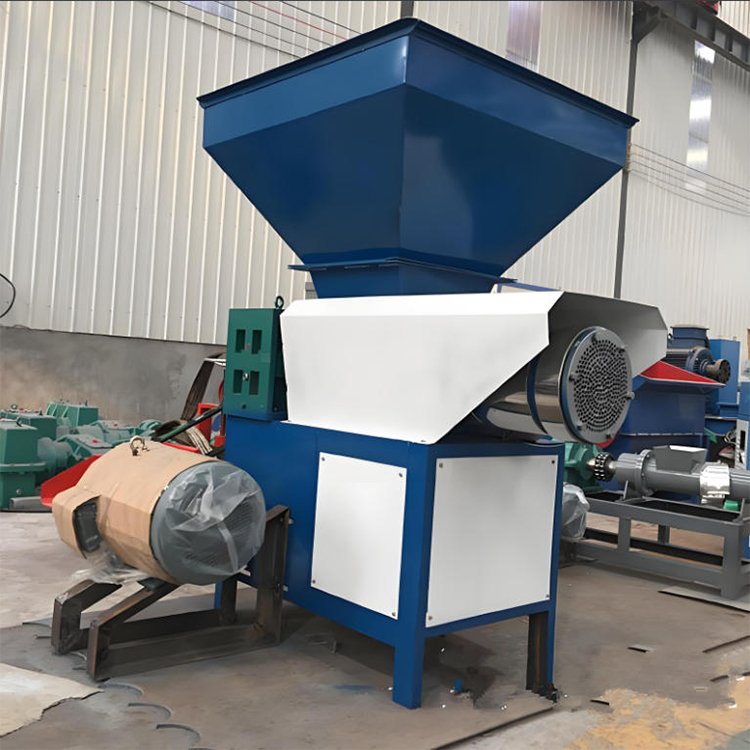
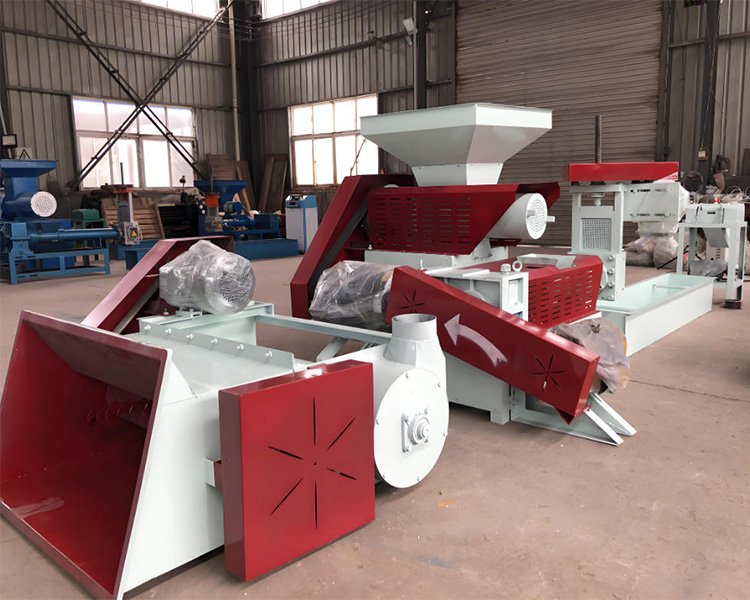
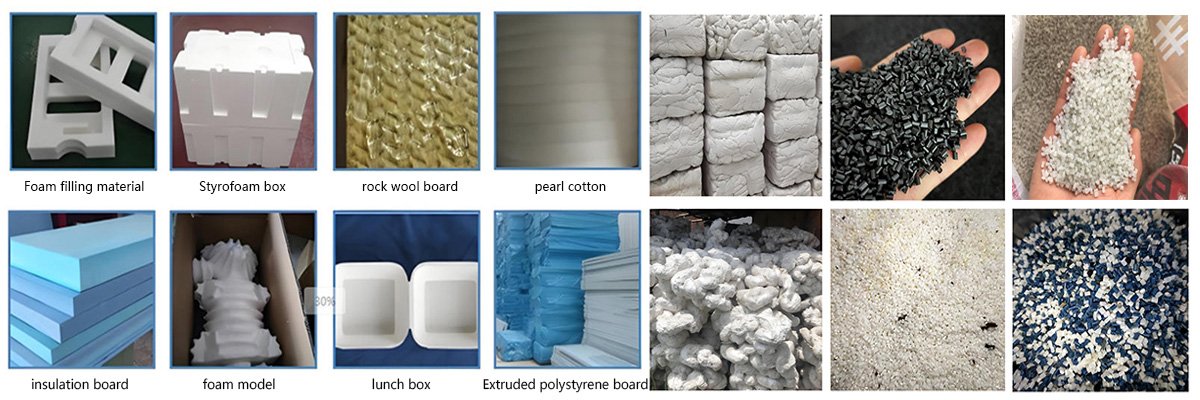
Foam pelletizing machines are recycling equipment designed specifically for waste foam plastics (such as polystyrene EPS and polypropylene EPP).
Through processes such as high-temperature melting and extrusion pelletizing, these machines convert waste foam into reusable plastic pellets, thereby achieving resource recycling.
This equipment is widely used in fields such as packaging materials, building insulation, and daily necessities manufacturing, and is one of the key technologies driving the green transformation of the plastics industry.
Working Principle and Core Process of Foam Pelletizing Machine
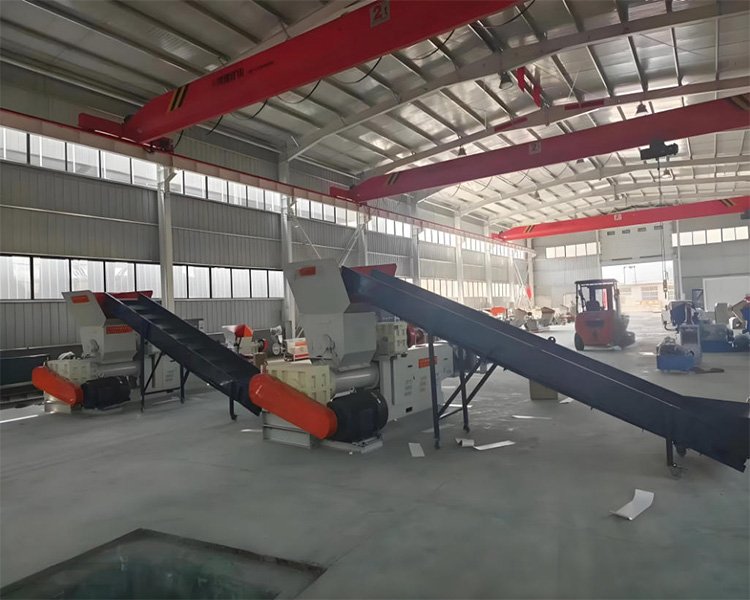
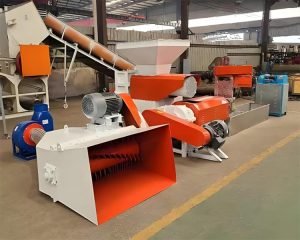
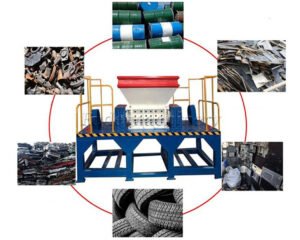
Waste foam (such as foam boxes and packaging materials) is first shredded into small pieces by a shredder to facilitate subsequent melting treatment.
The crushed foam enters the heated screw extruder, where it is compressed, melted, and degassed under high temperature (180-250°C) and screw rotation, forming a uniform molten plastic.
Melted plastic is extruded through a die head into strips, rapidly solidified in a cooling water tank, cut into 2-5 mm diameter pellets by a pelletizer, and finally turned into reusable plastic raw materials.
Advantages of plastic granulating machine equipment
Significant environmental benefits
- Reduce soil and air pollution caused by the incineration or landfill disposal of waste foam.
- Reduce dependence on primary resources such as petroleum, with each ton of recycled pellets saving approximately 1.5 tons of crude oil.
High production efficiency
- The single machine can process 1-5 tons per day, with a high degree of automation and low labor costs.
- The melt extrusion process is highly sealed, effectively preventing the leakage of harmful gases.
Excellent particle quality
- Through precise temperature control and screw design, uniform particle density and stable melt index are ensured, making it suitable for direct use in injection molding, blow molding, and other processes.
Wide range of applications
- Can process various foam materials such as EPS, XPS, and EPP, and supports customized die heads to produce particles of different specifications.
Core application areas of pelletizers
Granulators are widely used in the following fields by converting materials such as plastic and rubber into granules:
- Plastic recycling and regeneration
Processing waste foam, plastic bottles, scrap materials, etc., into recycled pellets for use in the production of daily necessities, pipes, and modified plastic raw materials, thereby reducing dependence on virgin plastic.
- Plastic product manufacturing
Processing virgin resins (such as PE, PP, PVC) into standard pellets as raw materials for injection molding, blow molding, and other processes to produce plastic bags, toys, automotive parts, etc.
- Chemical Engineering and New Materials
Production of rubber granules (for sports fields and soundproofing materials), engineering plastics (such as nylon and polycarbonate), and biodegradable plastics (such as PLA) to meet high-end manufacturing needs.
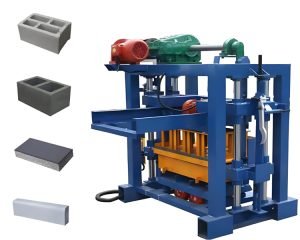
Foam particles are mixed with cement to make lightweight insulation boards, or processed into PVC/PE particles to produce pipes and profiles, contributing to green building.
- Agricultural environmental protection
Manufacturing biodegradable mulch film and drip irrigation tape from recycled pellets reduces agricultural pollution; developing environmentally friendly packaging materials through biomass co-blending and pelletization.
Recycled granules are used to produce bubble wrap, cushioning packaging, and logistics pallets, forming a closed loop of “recycling and remanufacturing” and reducing logistics costs.
- Resource Recycling Innovation
Recycle synthetic fiber clothing and plastic circuit board substrates, and granulate them to recycle textile and electronic waste. Customize 3D printing filament materials to promote personalized manufacturing.
Important considerations when purchasing
Select the machine type based on the type of foam to be processed (e.g., EPS, PE, PP).
Single-screw models have a production capacity of approximately 50-200 kg/h, while twin-screw models can reach 300-1000 kg/h.
- Energy consumption and efficiency:
Prioritize energy-efficient motors and high-efficiency screw designs.
Select a reliable manufacturer that provides technical support and spare parts.
As the core equipment for recycling waste foam, foam pelletizers not only solve the problem of white pollution, but also create economic value through resource regeneration.
With technological iteration and stricter environmental protection policies, the market prospects for foam pelletizers will continue to expand, becoming a key support for sustainable development in the plastics industry.
 Fudemetal Crusher