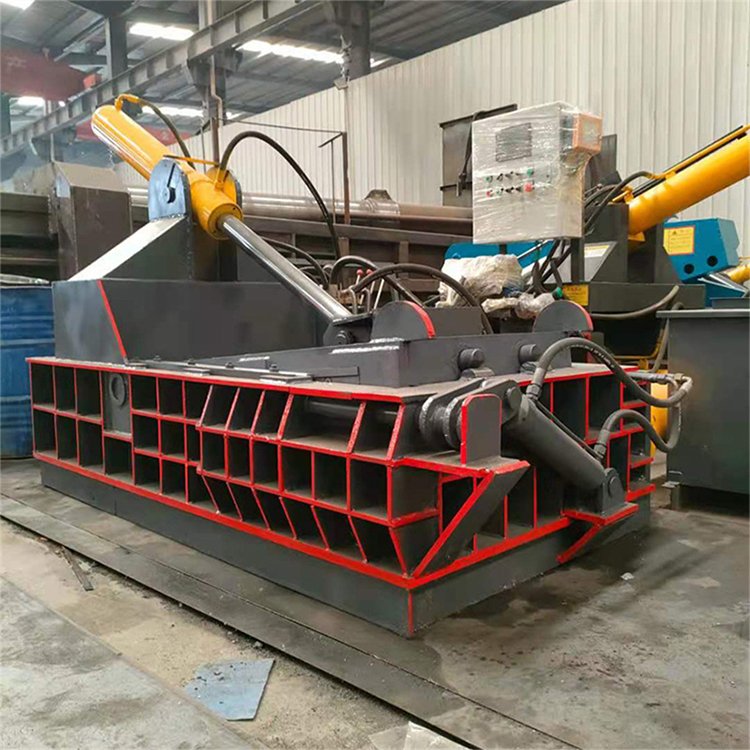
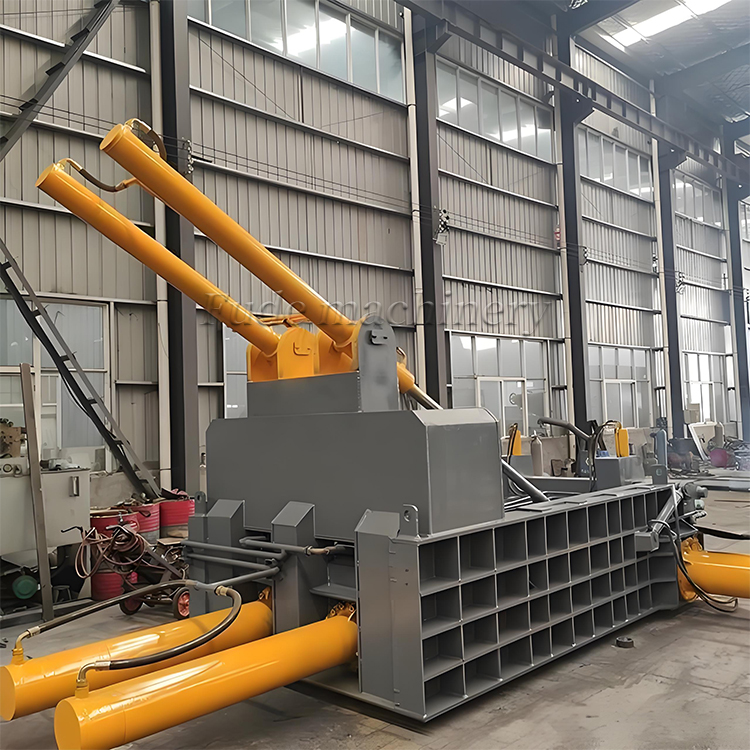
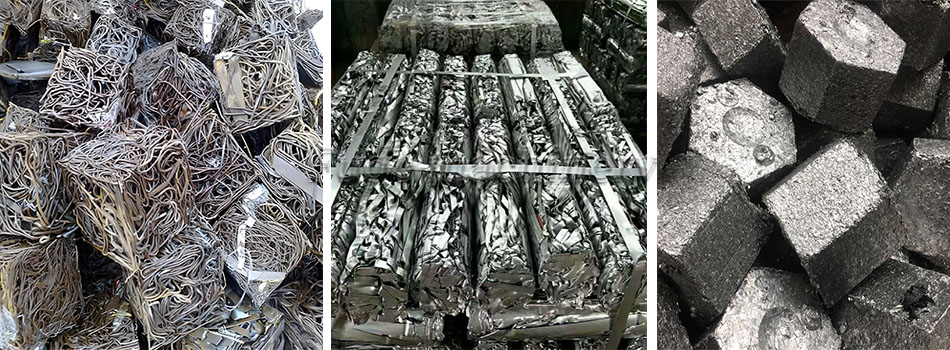
Choosing the right scrap metal baler is one of the most important decisions you will make for your recycling or manufacturing operation. This is not just a purchase; it is a long-term investment in your company’s efficiency and profitability. A suitable machine can streamline your workflow, cut costs, and increase your revenue. An unsuitable one can become a frustrating bottleneck. This guide will walk you through the essential factors, helping you understand how to choose the perfect scrap metal baler for your specific needs.
What Are the Different Types of Metal Balers?
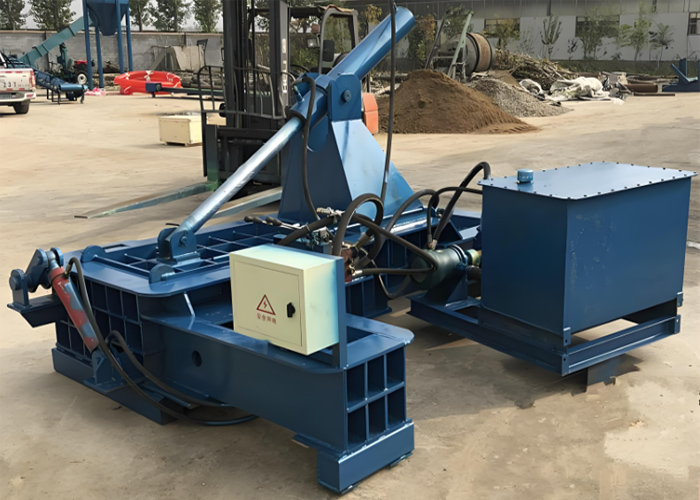
The main difference between baler types is how the finished bale is ejected from the machine. This might seem like a small detail, but it has a huge impact on your factory layout, workflow, and the level of automation you can achieve. Understanding these types is the first step in selecting a machine that fits perfectly into your operation.
The Side-Push Out Baler
This is a very popular and efficient design. In a side-push baler, after the final compression, a side door opens and the main ram pushes the finished bale out of the side of the machine. This is often the best choice for integrating into an automated line where a conveyor belt is positioned to the side of the baler to carry the bales away. It allows for a continuous and smooth workflow.
The Turn-Out (or Tip-Out) Baler
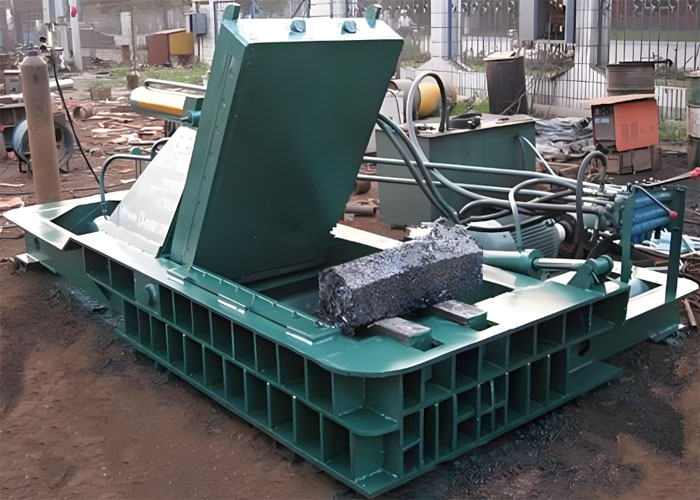
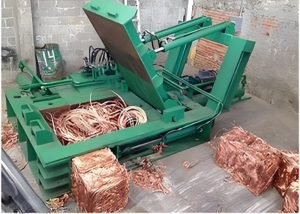
With a turn-out baler, the entire compression chamber is designed to pivot or “tip” over. Once the bale is formed, the chamber tips forward, and the bale simply falls out onto the ground or a heavy-duty conveyor. This method is excellent for producing very large and heavy bales because it relies on gravity, reducing stress on the machine’s ejection system.
The Forward-Push Out Baler
This is perhaps the most straightforward design. The main compression ram simply pushes the bale straight out through the front of the machine, like pushing a loaf of bread out of a tin. This design is simple, robust, and effective for many general-purpose applications where bales are removed by a forklift.
Ejection Type
Best For…
Main Advantage
Main Consideration
Side-Push
Automated lines with conveyors, specific factory layouts.
Excellent for continuous, automated workflow.
Requires clear space on the side of the machine.
Turn-Out
Very large, heavy bales; heavy-duty scrap yards.
Simple, gravity-assisted ejection for massive bales.
Requires a very strong foundation and more floor space.
Forward-Push
General-purpose applications, forklift handling.
Simple, robust, and cost-effective design.
Requires clear space directly in front of the machine.
What Key Factors Should You Consider Before Buying?
You must analyze your specific situation; do not just buy a “best-selling” model. The best machine is the one that is perfectly matched to your scrap, your volume, and your operational goals. As a factory, we always consult with our clients on these four key points to ensure they get the perfect machine.
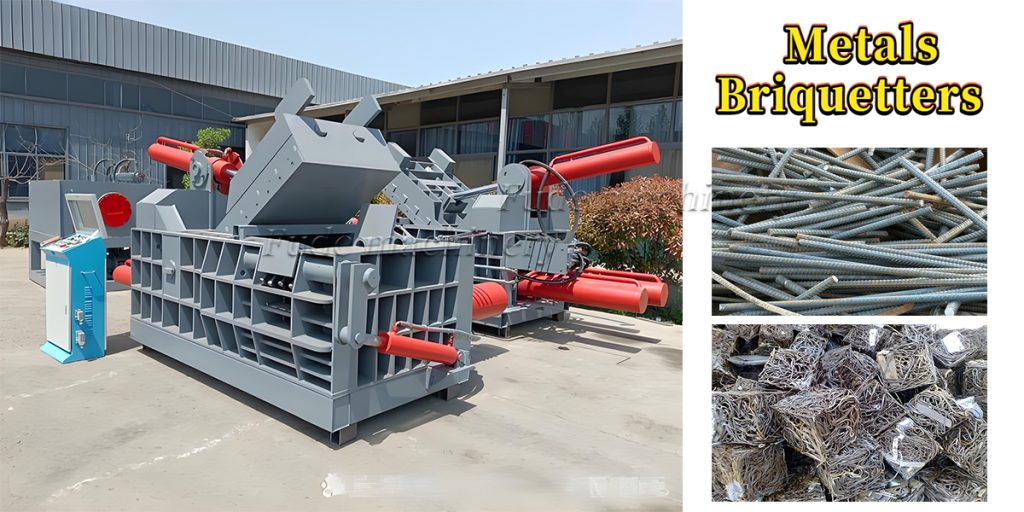
The first step is to know your scrap. Are you processing light, thin materials like aluminum cans and sheet offcuts? Or are you dealing with heavy, thick scrap like steel plates, rebar, or car bodies?
Light Scrap: Requires less compression force (tonnage) but may need a larger chamber to handle the bulk.
Heavy Scrap: Requires a machine with very high compression force and robust construction to handle the stress.
Material Mix: If you process a variety of materials, you need a versatile machine that can handle your toughest scrap.
2. Calculate Your Daily Volume
How much scrap do you need to process per hour or per day? Be realistic about your current output and your future growth plans.
Low Volume: A smaller baler with a smaller chamber and a longer cycle time may be sufficient and more cost-effective.
High Volume: You will need a larger chamber to reduce loading frequency and a more powerful motor for a faster cycle time to avoid production bottlenecks.
Practical Tip: Track your scrap generation for one full week. This data is the most valuable information you can bring to a machine manufacturer.
3. Determine the Right Compressing Force (Tonnage)
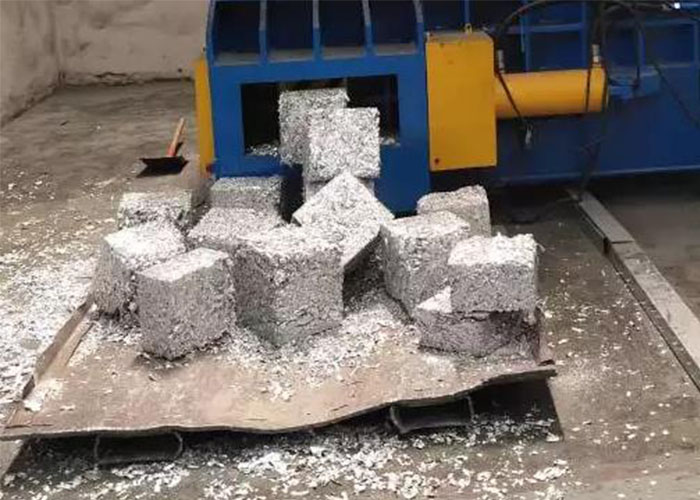
The “force” or “tonnage” of a baler refers to the amount of pressure the main ram can apply. This directly impacts the density of your final bale. Higher density is always better. Why? Denser bales are more stable, less likely to fall apart, and command a higher price from steel mills because they melt more efficiently. Don’t under-power your machine; choose a tonnage that can produce high-density bales from your specific material.
4. Plan Your Operational Workflow
Think about the entire process. How will scrap get into the baler? A grabber on an excavator requires a large, open-top hopper. A conveyor system requires a specific hopper design. And how will the finished bales be removed? This goes back to choosing the right ejection type—side-push, turn-out, or forward-push—that fits your space and handling equipment (forklift vs. conveyor).
Why is Customization from the Factory So Important?
An off-the-shelf machine is a compromise; a customized machine is a solution. Every business is unique, and your equipment should reflect that. This is the single biggest advantage of working directly with a manufacturer like Fude Machinery. We don’t just sell you a machine from a catalog; we build the machine that is right for you.
What can be customized?
Press Box Size: We can engineer the chamber dimensions to match your scrap size and desired bale weight.
Hopper Design: We can build a hopper perfectly suited for your loading method, whether it’s a conveyor, a crane, or a tipper.
Power and Controls: You can choose the motor brand , the electrical standards for your country, and the language of the PLC control panel.
Wear Parts: For abrasive materials, we can upgrade the chamber liners with harder, more wear-resistant steel plates to extend the machine’s life.
A customized scrap metal baler works more efficiently, lasts longer, and integrates seamlessly into your operation, providing a much higher return on your investment. For more on our capabilities, see our main hydraulic baler page.
2026 Trends in Metal Baling Technology
The industry is constantly evolving, with a focus on smarter, more efficient technology. At Fude Machinery, we integrate these latest advancements into our designs.
Increased Automation: Modern PLC systems allow for fully automatic cycling, self-diagnostics, and even remote monitoring. This reduces the need for constant operator supervision and improves safety.
Energy Efficiency: We are using variable displacement pumps and intelligent hydraulic circuits that only draw maximum power when needed. This can reduce electricity consumption by up to 25% compared to older designs.
Data Integration: Machines can now be linked to factory management systems, providing real-time data on production rates, bale counts, and operational hours.
Common Questions and Answers
Question 1: What is the main difference between a side-push and a forward-push baler? The key difference is the direction of bale ejection. A side-push ejects the bale from the side, which is ideal for conveyor belt systems. A forward-push ejects it from the front, which is simpler and often used when bales are removed by forklift.
Question 2: How much does a scrap metal baler cost? The price varies widely based on the machine’s size, compressing force (tonnage), and level of customization. A small, simple baler may be a modest investment, while a large, fully automated, high-tonnage machine is a significant one. The best way to know is to get a customized quote based on your specific needs.
Question 3: Does the machine require a special foundation? Yes, all heavy industrial machinery, especially a powerful baler, requires a solid, flat concrete foundation to operate safely and effectively. We provide detailed foundation drawings for every machine we sell to ensure you can prepare your site correctly.
Summary and Recommendations
Choosing the right scrap metal baler is a process of careful analysis. You need to look beyond the “best-selling” labels and focus on the machine that fits your unique operation. By carefully considering your material type, daily volume, required bale density, and overall workflow, you can make an informed decision. The best approach is to partner with a manufacturer who listens to your needs and has the engineering capability to build a customized solution. This ensures you get the most efficient, reliable, and profitable machine for your investment.
Ready to find the perfect baler for your business? Contact Fude Machinery today for a free consultation and a detailed, no-obligation quote.
The Dual-Shaft Shredder: Your SledgehammerThe Single-Shaft Shredder: Your ScalpelKey Business Differences: Sledgehammer vs. ScalpelHow to Choose: A Scenario-Based GuideFAQ: Your Shredder Investment QuestionsConclusion: Choose Your Strategy, Then Y...
The plastic crusher is composed of a feeding port, a crushing chamber, a sieve, a discharge port, and an electric motor. It crushes plastic through high-speed rotating blades or hammers, and the sieve is filtered and discharged.
Fudemetalcrusher Metal Single Shaft ShredderFudemetalcrusher Heavy Metal CrusherIndustrial Twin Shaft ShredderHigh-Capacity Four Shaft ShredderScrap Metal Hammer Mill ShredderMobile Metal Shredding MachineConclusion Heavy-duty metal shredders are ...
What Is a Metal Shredder?Types of Metal ShreddersApplications of Metal Shredders Metal shredders are essential machines in the recycling and waste management industries. They are designed to reduce large pieces of metal into smaller, more manageab...
 Fudemetal Crusher