 Fudemetal Crusher
What is a metal press block?
1122Metal compactor is a product that compresses metal waste into regular blocks through specific mechanical equipment.
View detailsSearch the whole station
In the world of plastic recycling, achieving the right final size is everything. You can’t feed large, bulky plastic scrap directly into an extruder. You need a clean, uniform, and consistently-sized flake, often called “regrind.” But how do you create it? This is where many businesses face a critical choice: do I need a shredder or a plastic crusher?
The answer is that they are two different tools for two different jobs. At Fude Machinery, we see the plastic crusher (or granulator) as a Size-Refining Machine. Its purpose isn’t to tackle huge, bulky items. Its purpose is to take smaller, pre-processed plastic and refine it into a valuable, specified final product. This guide will clarify its unique role and show you how it maximizes the value of your plastic scrap.
Choosing the wrong machine is a costly mistake. One is a high-torque “primary” tool for bulk reduction; the other is a high-speed “finishing” tool for precision sizing. Understanding this difference is key to building an efficient recycling line.
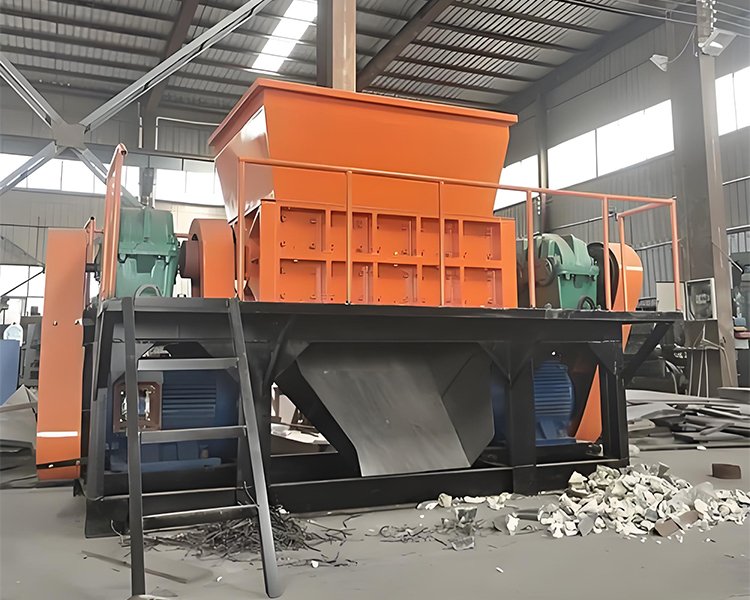

This table breaks down the fundamental differences between the two machines.
| Feature / Analogy | The Shredder (The “Cleaver”) | The Crusher (The “Grinder”) | What This Means For You |
|---|---|---|---|
| Operating Principle | Low Speed, High Torque. It uses immense rotational force to slowly rip and tear apart large, bulky materials. | High Speed, Sharp Cutting. It uses a fast-spinning rotor with sharp, angled knives to rapidly slice and shear material. | A shredder is for tough, initial size reduction. A crusher is for creating a small, uniform final product quickly. |
| Input Material | Large, heavy, or bundled items. Examples: plastic purgings, baled film, car bumpers, large pipes. | Smaller, rigid, or pre-shredded items. Examples: plastic bottles, injection molding runners, small profiles, pre-shredded pieces. | You feed a shredder the big, nasty stuff. You feed a crusher the material that needs to be refined to a final, valuable size. |
| Output Material | Rough, inconsistent strips or chunks, typically 2-5 inches in size. The size is not precisely controlled. | Small, clean, uniform flakes or granules (“regrind”), typically less than 1/2 inch. The size is precisely controlled by a screen. | If you just need to reduce volume, a shredder is enough. If you need to sell or reuse the plastic, you need the uniform output from a crusher. |

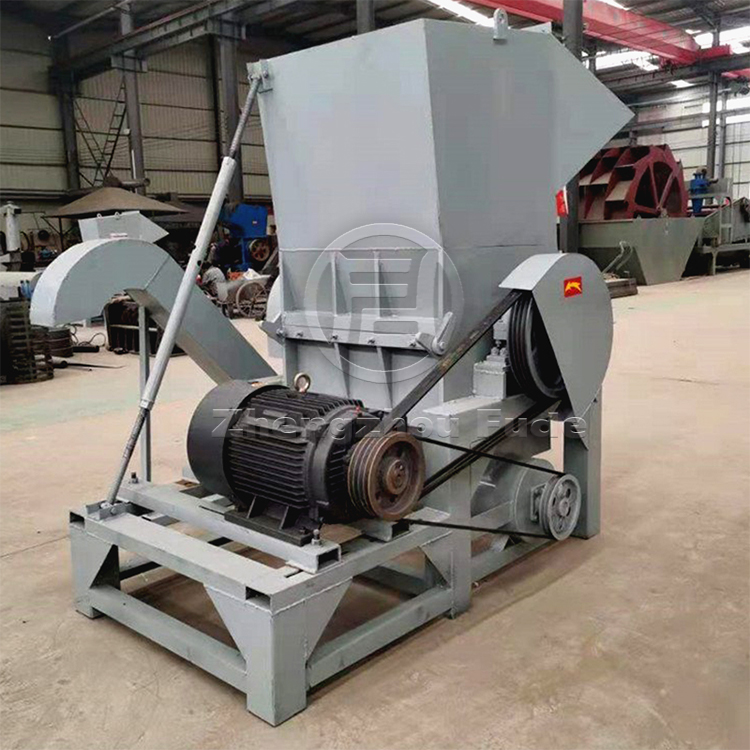
A plastic crusher is your go-to machine when the final output quality is the primary goal. It’s the engine of profit for many plastics processors.
The key takeaway: If your plastic is already a manageable size and you need to turn it into a consistent, small, and valuable commodity, the crusher is your tool.
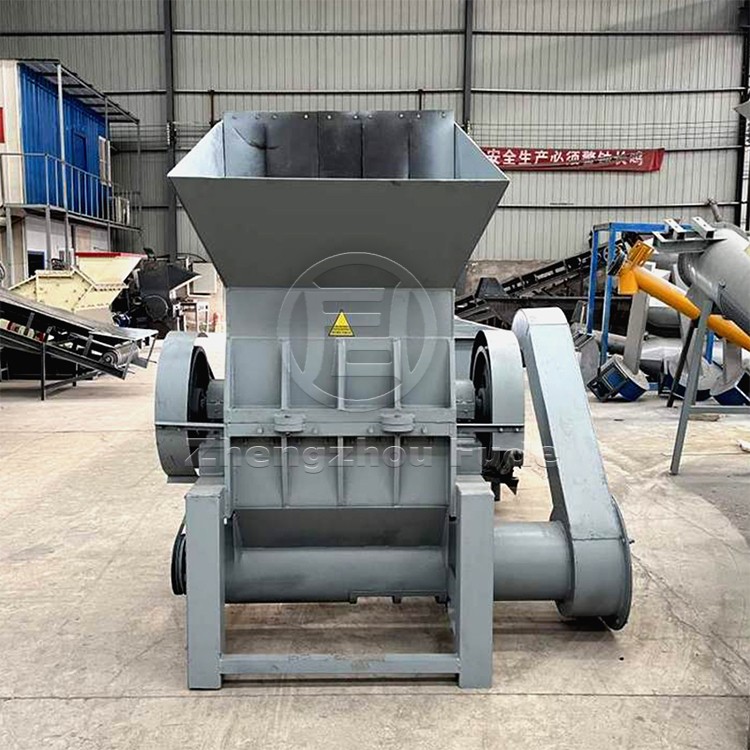
Like a single-shaft shredder, the crusher’s secret weapon is the sizing screen. A heavy-duty perforated screen is mounted below the high-speed cutting rotor.
This simple, effective mechanism guarantees that 100% of your output will be at or below your target size. At Fude Machinery, we offer screens with various hole sizes (e.g., 8mm, 10mm, 12mm) so you can produce the exact specification your process or your customer demands.
Question 1: Can a crusher handle soft plastics like film?
Yes, but it requires a specific rotor design. A standard “open” rotor works best for hard plastics. For film and other soft materials, we use a “closed” or V-cut rotor design that creates a true scissor-like cutting action to prevent the film from wrapping or stretching.
Question 2: What about wear on the knives?
Crusher knives operate at high speed and require regular maintenance to stay sharp for a clean cut. Our machines are designed for easy access to the cutting chamber. The knives are made from high-quality D2 tool steel and can be easily removed, sharpened multiple times, and re-installed, maximizing their lifespan and minimizing your operating costs.
Question 3: Is it very noisy?
Due to the high-speed cutting of hard materials, crushers are inherently louder than low-speed shredders. To combat this, we build our machines with sound-dampening enclosures and use high-quality bearings and precision balancing to reduce noise and vibration at the source.
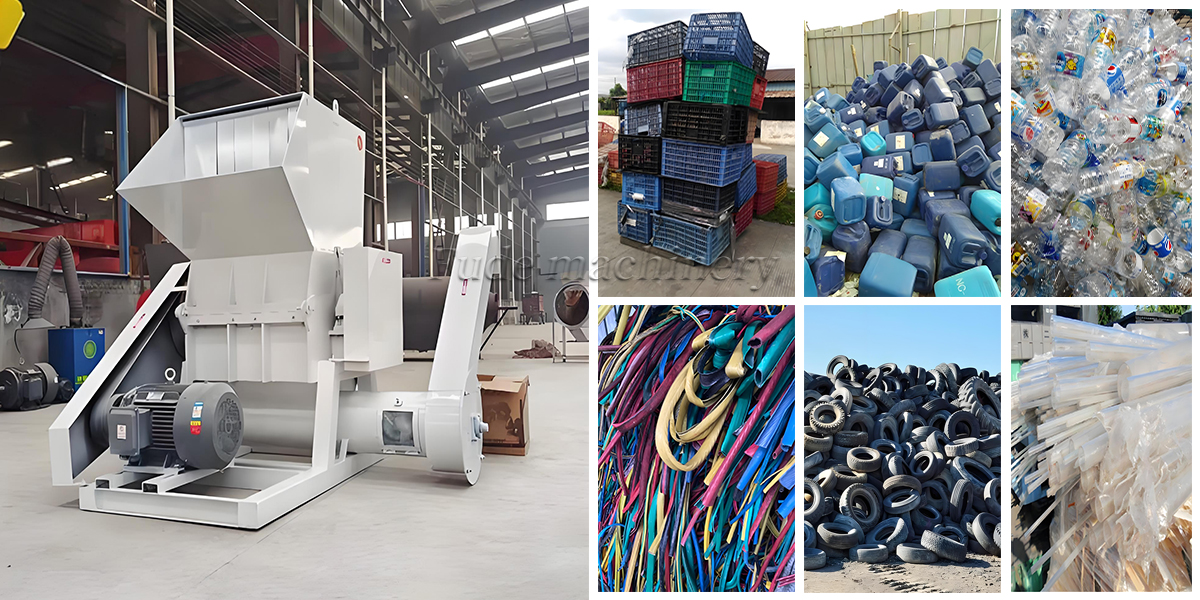
Stop thinking about a plastic crusher as just another size reduction machine. It is a specialized, high-speed refining tool designed for one purpose: to create a clean, uniform, and highly valuable plastic regrind.
Whether used as a standalone machine for smaller scrap or as the essential second step after a shredder, the crusher is what turns your plastic waste into a finished product ready for the market. As a factory-direct manufacturer, we can help you select and configure the perfect size-refining machine for your specific plastic and business goals.
Contact us at Fude Machinery to learn how you can start producing a more valuable plastic commodity today.
We are Fude Machinery, a specialist manufacturer of shredding and recycling equipment based in Zhengzhou, China. As a dedicated B2B partner, we engineer high-performance solutions to help businesses maximize the value of their scrap materials. As a factory-direct manufacturer, we offer a comprehensive range of plastic crushers, shredders, and complete recycling lines to our clients in over 120 countries.
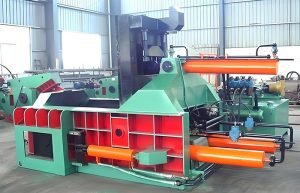
Metal compactor is a product that compresses metal waste into regular blocks through specific mechanical equipment.
View details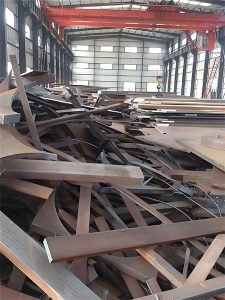
How to process and recycle scrap metals, steel plates, and iron shavings? We recommend FuDe Machinery's metal shearing machine for you
View details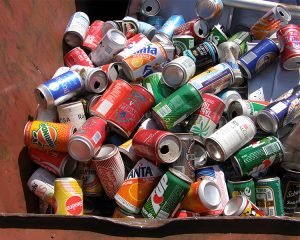
In today's world, the importance of metal recycling has never been more evident. As industries continue to grow and the demand for metals rises, the need for efficient recycling processes becomes essential. A key component in this process is the m...
View details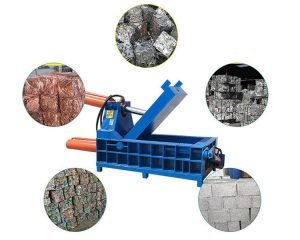
Problem: Handling mountains of bulky, loose scrap? Agitate: It eats up valuable yard space and makes transport incredibly expensive. Solution: Metal balers efficiently compress this type of waste. Metal balers excel at compacting large-volume, rel...
View details