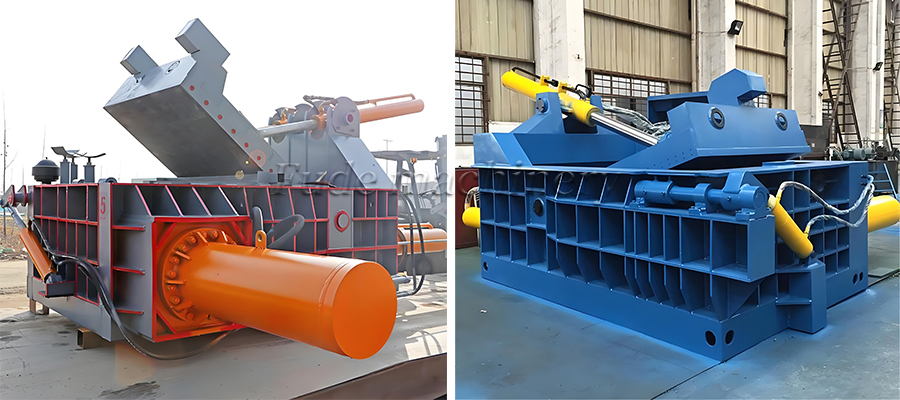
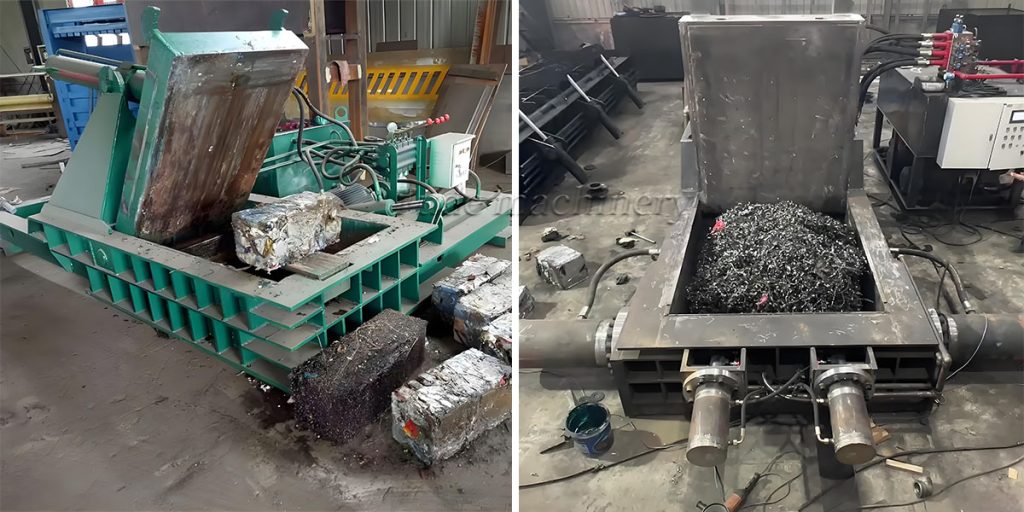
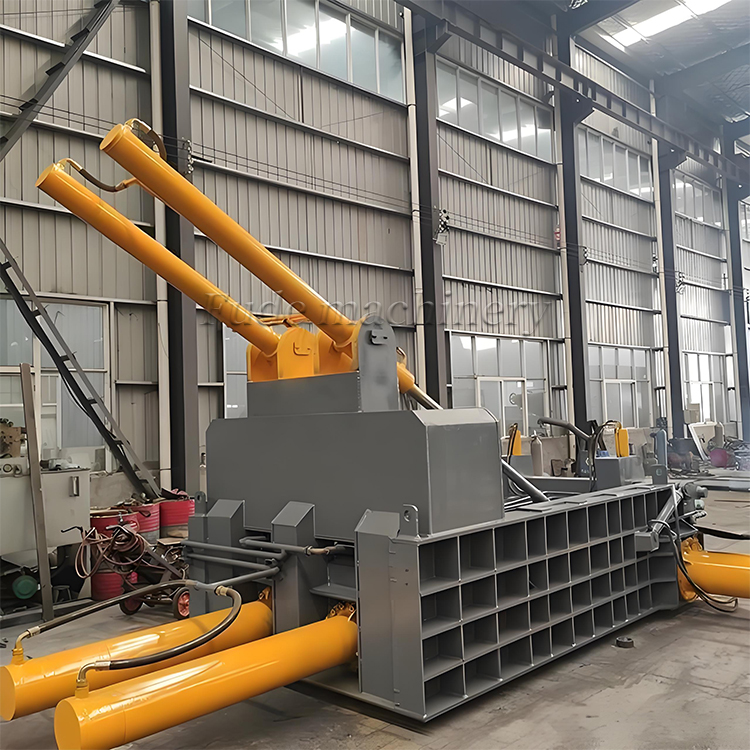
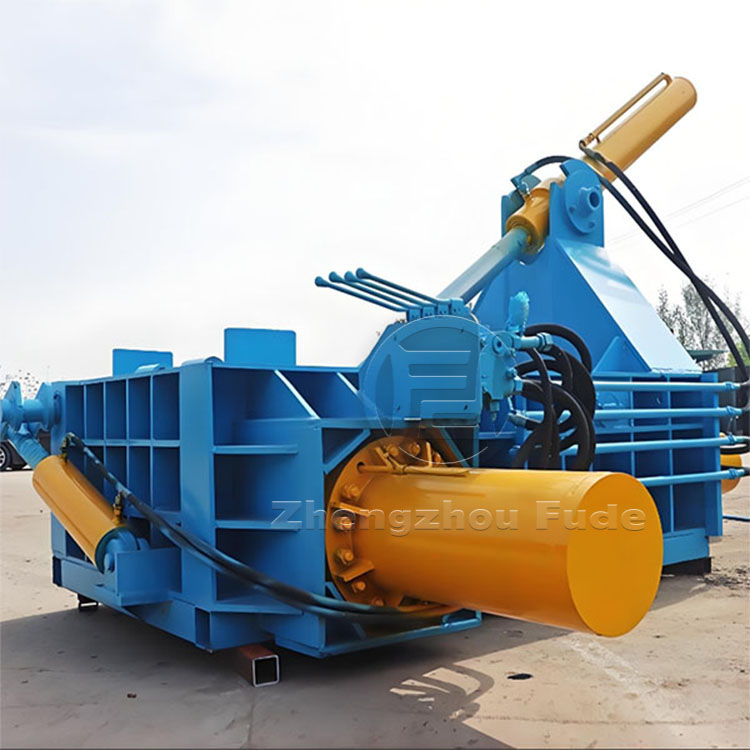
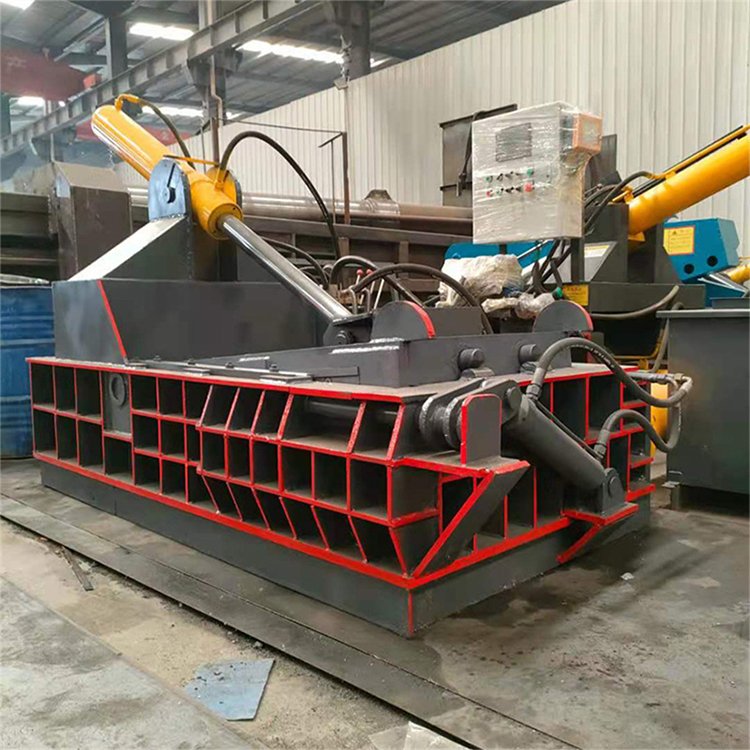
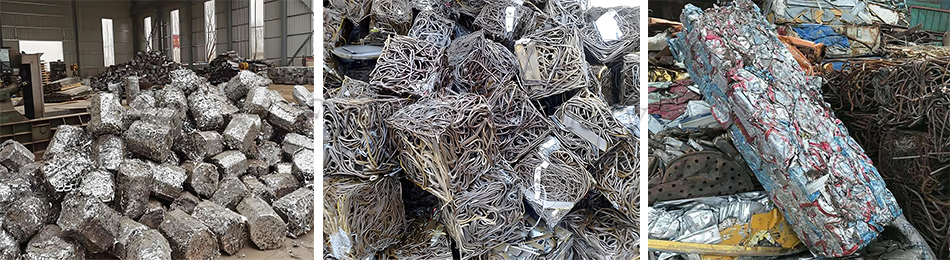
A briquetting machine, often called a briquetting press, is a powerful piece of equipment that takes loose, low-value materials like metal chips and compacts them into dense, solid blocks called briquettes. Think of it like a giant, super-strong press designed specifically for industrial waste. The main goal is to reduce the volume of the material, making it easier and cheaper to handle, transport, and reuse. For factories that produce a lot of scrap metal, it is a key tool for turning a costly waste problem into a new source of profit.
How Does a Metal Briquetting Machine Work?
The process is surprisingly simple but incredibly powerful. It all relies on the immense force of hydraulics. A metal briquetting machine doesn’t use any heat or chemical binders. It uses pure, raw pressure to force the metal chips to bind together. We call this “cold pressing.” This method is clean, efficient, and preserves the quality of your metal.
Let’s walk through the four main steps that happen inside one of our machines every cycle.
Step 1: Material Feeding
First, your loose metal scrap, such as steel turnings or aluminum chips, is loaded into the machine’s hopper. From the hopper, a feeding mechanism, usually a screw auger or a hydraulic ram, pushes a measured amount of the scrap into the compression chamber. This ensures that each briquette is a consistent size and weight. Our automated systems control this step precisely.
Step 2: Main Compression
This is where the magic happens. A large, powerful hydraulic cylinder drives a main ram forward with incredible force. This ram enters the compression chamber and squeezes the loose chips together. The pressure can be extremely high—often over 3000 PSI. This immense force is what compacts the material, squeezing out air and any trapped fluids like cutting oil.
Step 3: Ejection of the Briquette
Once the briquette has reached its maximum density, the main ram retracts. Then, a smaller ejection cylinder pushes the newly formed, solid briquette out of the compression chamber. The briquette slides out onto a discharge chute or a conveyor belt, ready to be collected.
Step 4: Fluid Collection
As the scrap is being compressed, the cutting oil and other fluids are squeezed out. This valuable liquid flows down through a collection system built into the base of the machine. It is collected in a tank, from which it can be filtered and reused in your CNC machines. This is a huge cost-saving benefit of using abriquetting machine. Our systems can recover up to 95% of these fluids.
This entire cycle is controlled by a PLC (Programmable Logic Controller), allowing the machine to run continuously and automatically with very little supervision.
Why Is Hydraulic Power the Best Choice for Briquetting?
Hydraulic systems deliver massive force in a compact and controllable way. You might see other types of presses, like mechanical or screw presses, but for the tough job of compacting metal, hydraulics are superior. Here is why we build all our machines using advanced hydraulic technology.
Feature of Hydraulics
Why It Matters for Your Briquettes
The Practical Benefit for You
Massive Force
Hydraulics can generate immense pressure, which is needed to create high-density briquettes.
Denser briquettes mean less crumbling, higher value at the scrap yard, and better performance in a furnace.
Consistent Pressure
A hydraulic system applies smooth, consistent pressure throughout the entire stroke.
This results in uniform briquettes of a consistent quality, which is important for buyers.
Overload Protection
Hydraulic systems have built-in pressure relief valves that prevent damage to the machine.
If a piece of hard material enters the chamber, the machine is protected, ensuring a long and reliable service life.
Control and Flexibility
We can easily adjust the pressure and speed to optimize the process for different metals.
Whether you’re processing soft aluminum or tough steel, we can tune the machine for the best results.
What Kinds of Materials Can You Process?
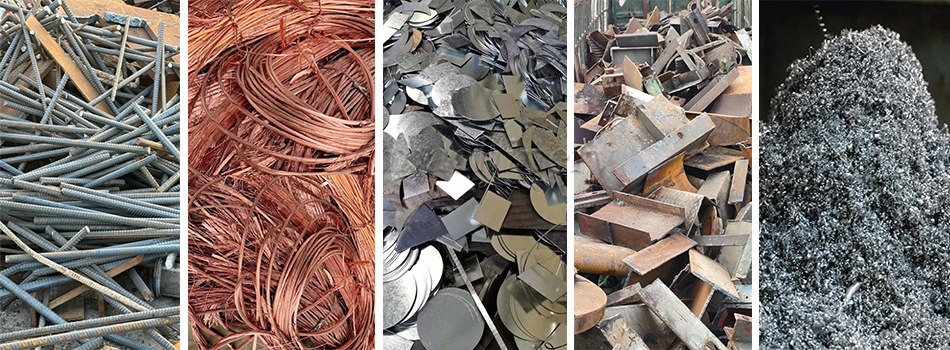
A versatile briquetting machine is a valuable asset because it can handle a wide variety of materials commonly found in manufacturing and recycling facilities. Our machines are designed to be robust enough to process many different types of metal scrap.
Ferrous Metals (Iron-Based)
Steel: Including turnings, chips, and filings from machining processes.
Cast Iron: Especially the fine dust and borings from foundries.
Stainless Steel: Chips and swarf from manufacturing.
Non-Ferrous Metals
Aluminum: This is a very common application. Briquetting aluminum chips and shavings is highly profitable.
Copper: Chips, wire scrap, and turnings.
Brass and Bronze: Valuable materials where maximizing recovery is key.
Our experience with a wide range of materials means we can provide a solution tailored to what you work with. You can learn more about our specific machine for fine materials like chips on our metal chip briquetting machine page.
Common Questions and Answers
Question 1: Do I need to add anything to the scrap to make it stick together? No. That’s the beauty of the cold pressing process. The high pressure alone is enough to make the metal particles bind together. You do not need any binders, adhesives, or heat. This keeps the process clean and the metal pure.
Question 2: Are the machines very noisy? Modern hydraulic systems are designed to be relatively quiet. While any industrial machine makes some noise, our briquetting machines operate at a level that is well within typical factory safety standards. They are much quieter than equipment like shredders or grinders.
Question 3: Can the size of the briquette be changed? The diameter of the briquette is determined by the machine’s mold, but the length can often be adjusted through the PLC settings. We can also customize the mold size during the manufacturing process to produce the exact briquette size you need.
Summary and Recommendations
So, what is a briquetting machine? It is an essential tool for modern metalworking and recycling. It uses clean, powerful hydraulic force to transform your bulky, messy scrap into a valuable, easy-to-manage commodity. The process is simple: feed, compress, eject, and collect fluids. This allows you to reduce waste volume, cut transportation costs, recover expensive cutting oils, and significantly increase the price you get for your scrap.
Investing in a high-quality briquetting press is one of the smartest financial decisions a factory can make. It directly impacts your bottom line by turning a waste management expense into a new and consistent revenue stream.
About Fude Machinery
We are Fude Machinery, a specialized Chinese manufacturer of metal briquetting machines and other recycling equipment. Since 2015, we have been providing robust, reliable, and customized solutions to B2B clients in over 120 countries. We are the factory, which means we control the quality and can offer you a superior machine at a more competitive price. Our focus is on building long-term partnerships and providing full-service support.
Are you ready to learn how a briquetting machine can improve your factory’s profitability? Contact our expert team at Fude Machinery today for a free consultation.
Sorting Plastic Waste?How Sorting WorksCommon Plastic Types to SortWhy Shredding is Key?Types of Shredders We Make for PlasticCleaning and Separating Plastic?Turning Processed Plastic into New Products?Why Pelletize Plastic?Customization is Key Pl...
This article explores the different types of waste disposal units, factors that influence their cost, and provides a detailed breakdown of prices. We will also introduce Fude Machinery’s line of industrial metal crushers and briquetting equipment,...
Why is Large Scrap Metal Such a Big Problem?The Solution: Size Reduction with an Industrial ShredderHow Do You Turn Shredded Metal into Money?Which Shredder is Right for Your Large Scrap Metal?For Bulky Scrap Like Appliances & Sheet MetalFor V...
 Fudemetal Crusher