In 2026, as environmental regulations tighten and sustainable practices become crucial for industrial compliance, scheduled waste management has emerged as a cornerstone of effective environmental protection.
Industries generating hazardous and non-hazardous waste must adhere to proper handling, treatment, and disposal protocols to avoid pollution, penalties, and public health hazards.
Top Scheduled Waste Management Methods in 2026
1. Source Segregation and Categorization
Proper management begins at the point of generation. In 2026, companies are expected to:
Identify and classify waste types based on toxicity, reusability, and recyclability.
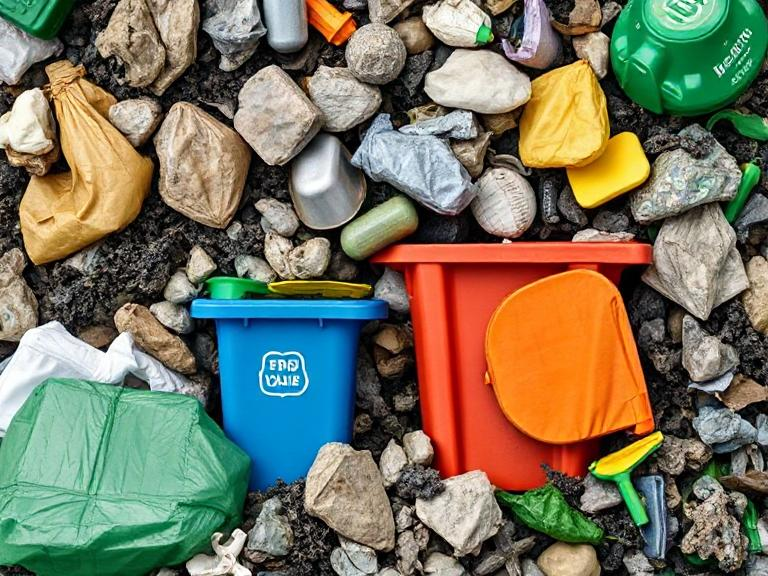
Use color-coded containers for easy segregation of chemical, electronic, biological, and metallic waste.
Digitally log waste categories for traceability.
2. Recycling and Reprocessing
Scheduled waste is increasingly being processed through specialized recycling techniques. These include:
Thermal recovery of solvents and oils through distillation.
Material recovery using shredders and crushers for scrap metal and plastics.
Bio-treatment of organic waste using aerobic or anaerobic digesters.
3. Chemical and Physical Treatment
For hazardous waste, 2026 methods prioritize safe chemical neutralization and containment:
Neutralization of acids and bases through pH adjustment processes.
Solidification and encapsulation of toxic residues before landfilling.
Precipitation and filtration for wastewater treatment.
4. Shredding and Volume Reduction
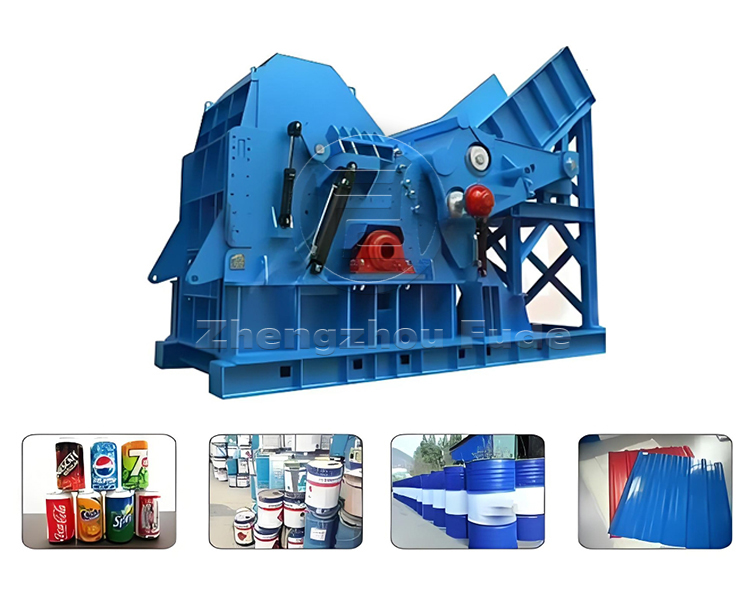
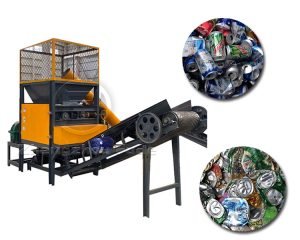
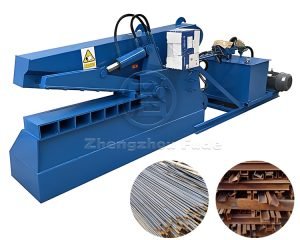
A crucial method for managing scheduled waste efficiently is shredding, which reduces volume and prepares materials for further treatment or recycling. Advanced shredding technologies, like those provided by Fudemetalcrusher, are at the forefront of this process.
5. Secure Storage and Transport
To comply with 2026 regulations:
All waste containers must be leak-proof and clearly labeled.
Vehicles used for transport must have GPS tracking and hazard containment systems.
Storage areas must have secondary spill containment and temperature controls.
6. Final Disposal Methods
Once treated, final disposal options include:
Secure landfilling with geosynthetic liners and leachate treatment systems.
Incineration with energy recovery (waste-to-energy) for combustible waste.
Deep-well injection for certain liquid hazardous wastes, monitored under strict protocols.
Fudemetalcrusher Solid Waste Shredder Overview
When it comes to volume reduction and pre-treatment of scrap metal and industrial waste, the Fudemetalcrusher Solid Waste Shredder leads the way in 2026. Known for reliability, high yield, and efficiency, it supports multiple waste management stages.
Key Parameters:
Parameter
Details
Application Area
Scrap metal recycling and processing
Yield
1T–8T (depending on model and material type)
Model
600, 800, 2000 models, etc.
Brand
Fudemetalcrusher
Model & Capacity Breakdown:
Model 600:
Ideal for small to medium-sized recycling operations.
Handles aluminum, steel, cast iron.
Yields up to 4T per hour.
Model 800:
Suited for larger facilities needing higher throughput.
Increased durability and shredding capacity.
Yields up to 6T per hour.
Model 2000:
Heavy-duty, industrial-scale performance.
Built for 24/7 operations with minimal downtime.
Yields up to 8T per hour.
Benefits of Scheduled Waste Management
The adoption of scheduled waste management protocols offers numerous advantages for businesses and the environment in 2026:
Regulatory Compliance: Avoid penalties and align with environmental laws.
Environmental Protection: Minimize contamination of land, water, and air.
Operational Efficiency: Streamline waste handling and reduce disposal costs.
Brand Image: Demonstrate sustainability commitments to clients and consumers.
Resource Recovery: Recycle valuable materials and reduce raw material demand.
Future Trends and Innovations
Looking forward, waste management in 2026 and beyond will embrace:
AI and IoT integration for real-time tracking of waste streams.
Blockchain for transparent waste handling records and traceability.
Autonomous mobile shredders for on-site waste processing.
Advanced materials recovery using smart sensors and robotic arms.
Carbon-neutral waste processing facilities to reduce environmental impact.
Summary Table
Section
Key Highlights
Segregation
Digital tracking, color-coded bins, categorized by waste type
Recycling
Solvent recovery, metal reprocessing, bio-treatment
Treatment
Neutralization, filtration, encapsulation
Shredding
Fudemetalcrusher offers high-yield shredders (up to 8T/hr)
Scrap metal collection is a lucrative and environmentally friendly way to make money. Whether you're a full-time scrapper or just looking for an extra income stream, knowing which metals to collect can significantly increase your profits. In this ...
Plastic waste harms our world. It piles up everywhere. How can we deal with it well? We can handle plastic waste using different methods. Recycling turns old plastic into new products. Burning plastic can create energy. Reducing how much plastic w...
In this article, we will explore garbage shredder rental costs, factors that influence the price, and how to choose the right shredder for your requirements.
 Fudemetal Crusher