Recycling and waste management are crucial aspects of modern environmental conservation. As the world grapples with increasing levels of waste generation due to industrialization, urbanization, and consumer culture, effective waste management systems are essential for sustainable development. Recycling, in particular, plays a pivotal role in reducing waste, conserving natural resources, and minimizing the environmental impact of waste disposal.
In this article, we will delve into the concepts of recycling and waste management, the different solutions available, and the significant role of equipment, such as shredders, in optimizing recycling processes.
Importance of Recycling and Waste Management
The importance of recycling and waste management cannot be overstated. Here are some key reasons why recycling and waste management are essential:
1. Environmental Protection
Recycling reduces the need for raw material extraction, which helps conserve natural resources and protect ecosystems.
Proper waste management prevents pollution by diverting waste from landfills and incinerators, minimizing greenhouse gas emissions.
2. Economic Benefits
The recycling industry contributes significantly to the economy by creating jobs, reducing the need for expensive raw materials, and fostering the development of green technologies.
Waste management solutions also reduce disposal costs and contribute to the efficient use of resources.
3. Waste Reduction
Recycling and waste management systems divert significant amounts of waste from landfills, thus extending their lifespan and reducing the overall volume of waste generated.
4. Energy Savings
Recycling often uses less energy than producing new products from raw materials. For instance, recycling aluminum saves up to 95% of the energy required for primary production.
Solutions in Recycling and Waste Management
The solutions in recycling and waste management are continually evolving to meet the growing challenges of waste disposal. Below are some of the most effective methods and technologies:
1. Mechanical Recycling
Mechanical recycling involves the physical processing of waste materials into new products without altering their chemical structure. This method is commonly used for recycling metals, plastics, and paper.
Process: Waste materials are sorted, shredded, and processed into reusable materials.
Benefits: Cost-effective and environmentally friendly, it helps to create high-quality recycled materials.
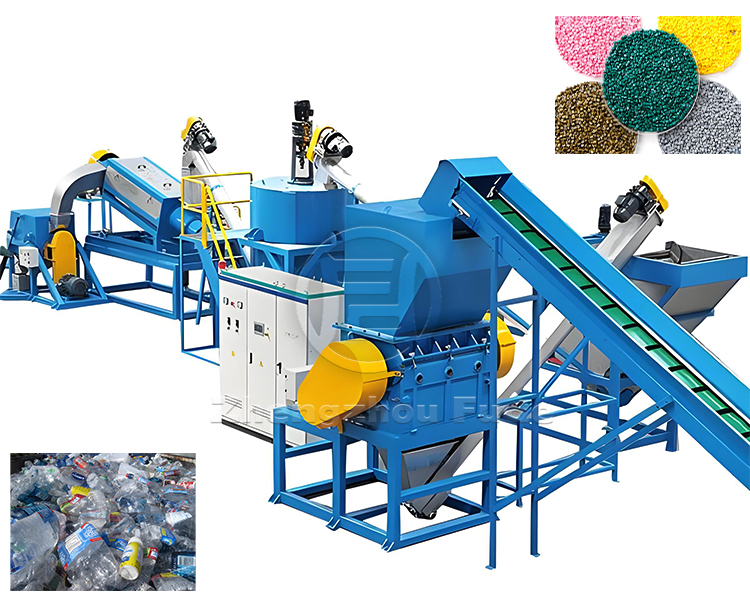
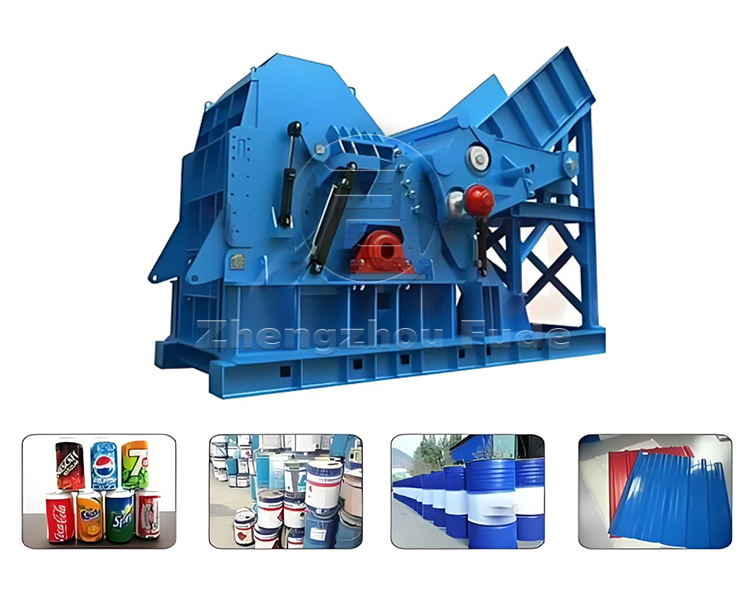
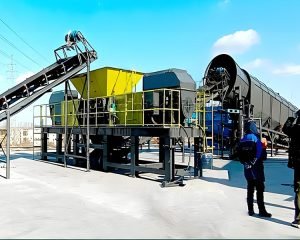
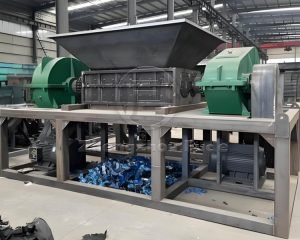
Example: Fude Machinery, a leader in recycling equipment, provides advanced metal shredding systems that support the recycling of large metals and rubber, helping reduce the environmental footprint of industrial waste.
2. Chemical Recycling
Unlike mechanical recycling, chemical recycling involves breaking down materials into their original chemical components to be used in new production processes. This method is primarily used for plastics that cannot be mechanically recycled.
Process: The waste plastic is chemically treated to break it down into monomers, which can then be repolymerized into new plastic products.
Benefits: Offers the potential to recycle complex and mixed plastics that cannot be mechanically recycled.
Example: Chemical recycling is becoming more viable with advances in polymer recycling technologies.
3. Waste-to-Energy
Waste-to-energy (WTE) technology converts non-recyclable waste into usable energy, usually through combustion, gasification, or anaerobic digestion.
Process: Organic waste is burned or processed to generate heat, electricity, or biofuels.
Benefits: Reduces waste volume while generating energy.
Example: Waste incinerators and biogas plants are used globally to convert waste into energy.
4. Landfill Mining and Remediation
This innovative method involves the extraction of valuable materials from old landfills to reduce their environmental impact and recover recyclable materials.
Process: Older landfills are excavated, and the waste is sifted to recover materials like metals, plastics, and glass.
Benefits: Helps reduce the environmental footprint of landfills and recovers useful materials.
Example: Landfill mining is gaining popularity in countries with limited landfill space.
Role of Shredding Equipment in Recycling
Shredding is a critical step in the recycling process, as it breaks down large materials into smaller, more manageable pieces. This step makes it easier to sort and process materials efficiently.
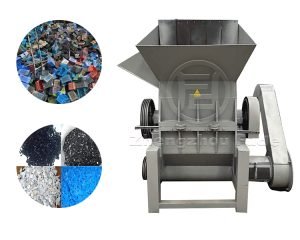
Introducing the Fudemetalcrusher Solid Waste Shredder, the ultimate solution for scrap metal recycling and processing. Engineered with advanced technology and robust construction, our shredders are designed to handle a wide range of metal waste, transforming it into reusable materials with remarkable yield and efficiency. Key Parameters: 1. Mode…
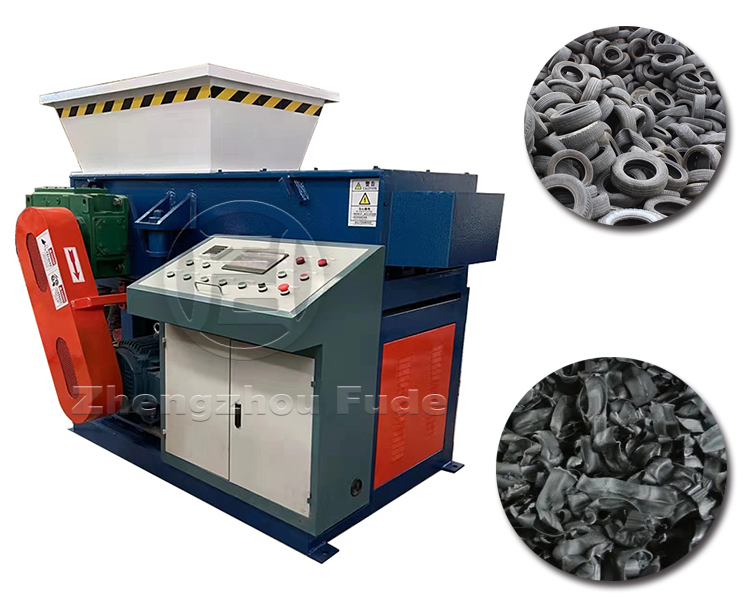
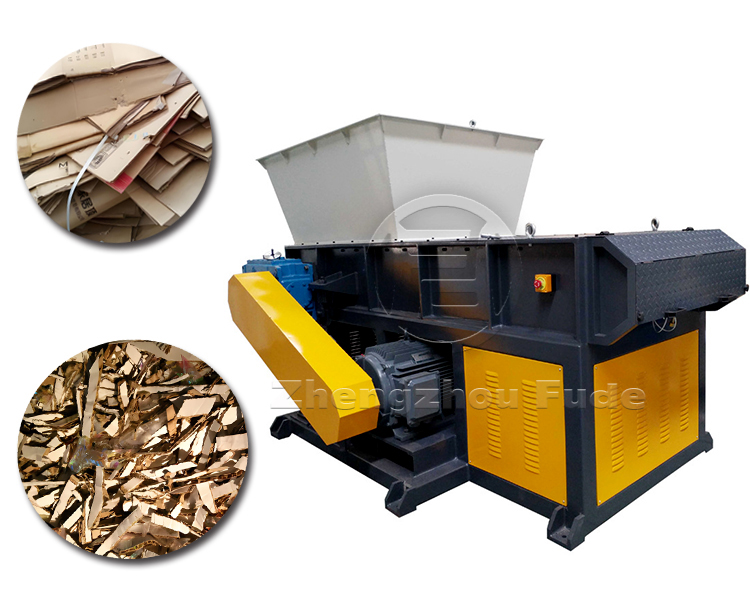
Multifunctional Single Shaft Shredder Name Single shaft tire shredder model Customizable on demand Applicable scope Waste paper, leather, tires, pipes, household appliances, wood, waste cars, etc Electrical machinery Pure copper motor Body material Thickened steel plate Get a free quote Phone/WhatsApp contact …
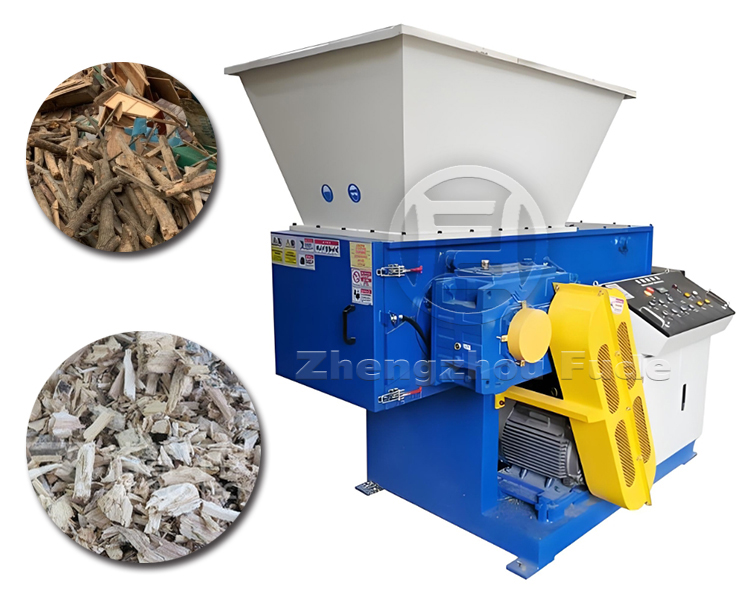
Multi functional and practical single axis wood shredder The material enters the chassis from the feeding hopper, and the push box is pushed by a hydraulic cylinder to push the material towards the rotating knife roller. Rotating and fixed cutting tools crush materials, and the crushed materials fall through the sieve. Then it is transporte…
A single-shaft shredder for multifunctional use Name Single shaft shredder model Customizable on demand Applicable scope Waste paper, leather, tires, pipes, household appliances, wood, waste cars, etc Electrical machinery Pure copper motor Body material Thickened steel plate Get a free quote Phone/WhatsApp contact…
Shredders are used extensively in metal recycling, plastic recycling, rubber recycling, and e-waste recycling. They help reduce the size of materials, making them easier to handle, transport, and process.
Size Reduction: Shredders reduce bulky waste into smaller particles, making it easier to separate valuable materials.
Enhanced Efficiency: Shredding enables smoother processing of materials, improving overall efficiency in recycling operations.
Material Recovery: Shredding increases the chances of recovering valuable metals, plastics, and other materials for reuse.
Challenges in Recycling and Waste Management
While recycling and waste management offer numerous benefits, they also come with several challenges:
1. Contamination of Recyclables
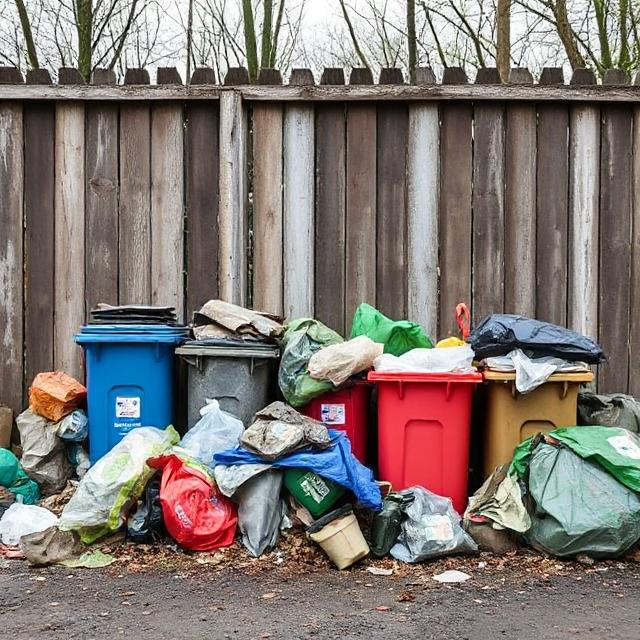
Many recyclable materials, such as plastics and metals, are often contaminated with food waste or other substances, which makes them difficult to process effectively.
2. Lack of Infrastructure
In some regions, waste management infrastructure is inadequate, making it difficult to implement efficient recycling systems.
3. Economic Viability
Recycling processes, especially for certain materials, can be costly. This can make recycling less economically attractive compared to other methods of waste disposal.
4. Public Awareness
Despite the benefits of recycling, many people are still unaware of the importance of waste segregation and the environmental impact of improper waste disposal.
Conclusion
Recycling and waste management are essential to achieving a sustainable future. With the growing environmental challenges, adopting advanced recycling technologies and waste management systems is crucial. From mechanical recycling to waste-to-energy solutions, these systems provide viable solutions for reducing waste and conserving natural resources.
Companies like Fude Machinery play a vital role in the recycling industry by providing high-quality shredding equipment that supports efficient recycling processes for large metal, rubber, and other industrial waste. Embracing these technologies will help businesses not only reduce their environmental impact but also improve their operational efficiency.
Frequently Asked Questions (FAQs)
1. What is the difference between mechanical recycling and chemical recycling?
Mechanical recycling involves the physical processing of materials without changing their chemical structure, while chemical recycling breaks down materials into their original components to be reused.
2. How do shredders aid in the recycling process?
Shredders break down large materials into smaller, manageable pieces, making it easier to separate and process valuable materials for reuse.
3. What are the benefits of waste-to-energy systems?
Waste-to-energy systems reduce waste volume, generate renewable energy, and provide an environmentally friendly alternative to landfills and incineration.
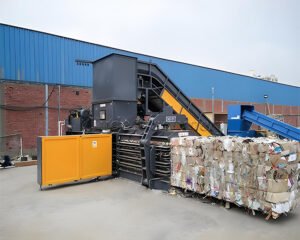
In the global recycling and waste management industry, hydraulic baling presses stand as indispensable workhorses, transforming loose, bulky materials into dense, transportable bales. As a leading manufacturer based in Zhengzhou, China, Fude Machi...
Metal shredding is a crucial process in waste management and recycling. It involves breaking down metal waste into smaller, more manageable pieces, facilitating easier handling, transportation, and recycling. The shredded metal can then be melted ...
At Fude Machinery, we understand that investing in a scrap metal shredder is a major decision. You have a simple goal: you want the best possible performance for a fair price. But what really drives a metal shredder's price? And how do those facto...
Shredders can be divided into various types based on their shredding methods and cutting tools, such as single/double axis, and four axis. Among them, double axis shredders are one of the most commonly used equipment.
 Fudemetal Crusher