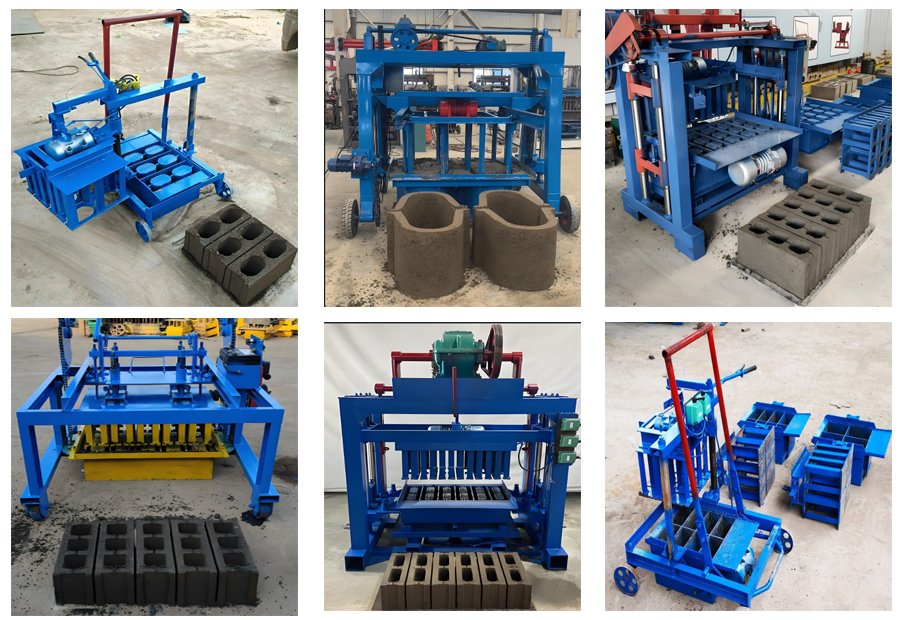
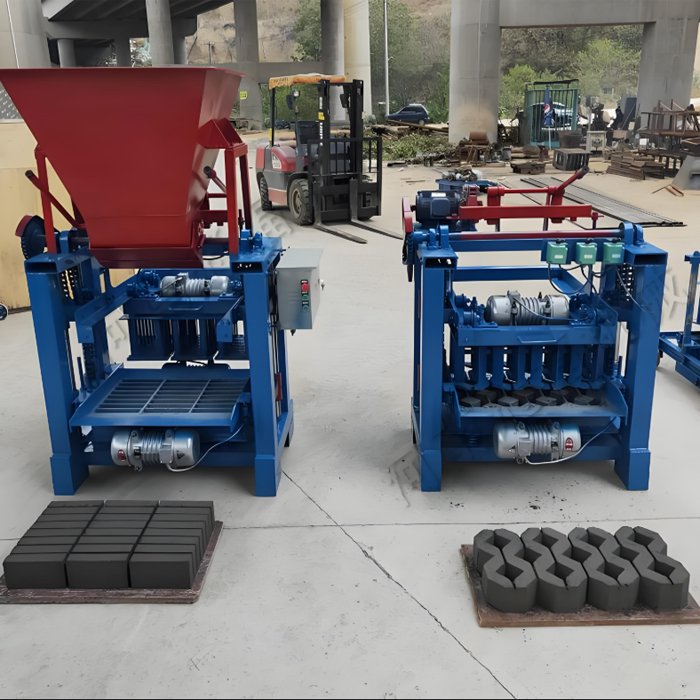
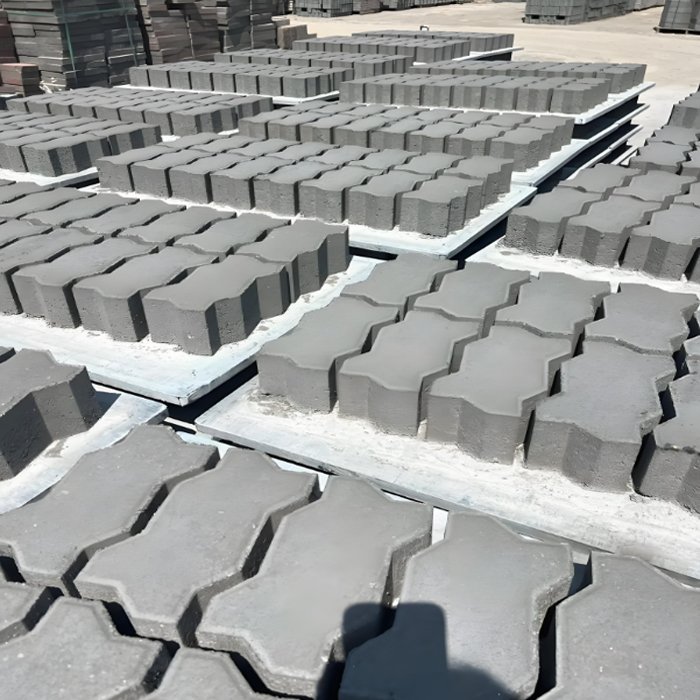
Brick making machine is a mechanical equipment that produces building bricks through a specific process, the raw material can be used cement, concrete, aggregate, and many other options.
The main raw material of traditional clay brick machine
Clay: The core raw material that provides plasticity and forms the brick structure.
Natural clay minerals, including kaolin and shale, are weathered, crushed and screened to remove impurities.
Sand: used to adjust the drying shrinkage of clay and enhance the strength, the ideal sand content is 30%-35%.
Lime: as a flux to reduce shrinkage during sintering
Quartz sand: improves the durability and weathering resistance of brickwork
Materials for modern industrial brick-making machines
Fly ash: replaces clay, reduces energy consumption, commonly used in fly ash bricks
Rice husk ash: as fuel and additive to reduce sintering temperature requirements
Cinder, steel slag: industrial waste, used as a substitute for clay or as an aggregate
Shale/gangue: hard raw material, directly used in sintered brick production
Raw materials for cement brick making machine
Cement: used as a binder to enhance the strength of bricks, commonly used in cement bricks
Aggregates: e.g., stone chips, sand and gravel powder, used to regulate volume and density
Gypsum: improves the hardening rate and dimensional stability of the brick body
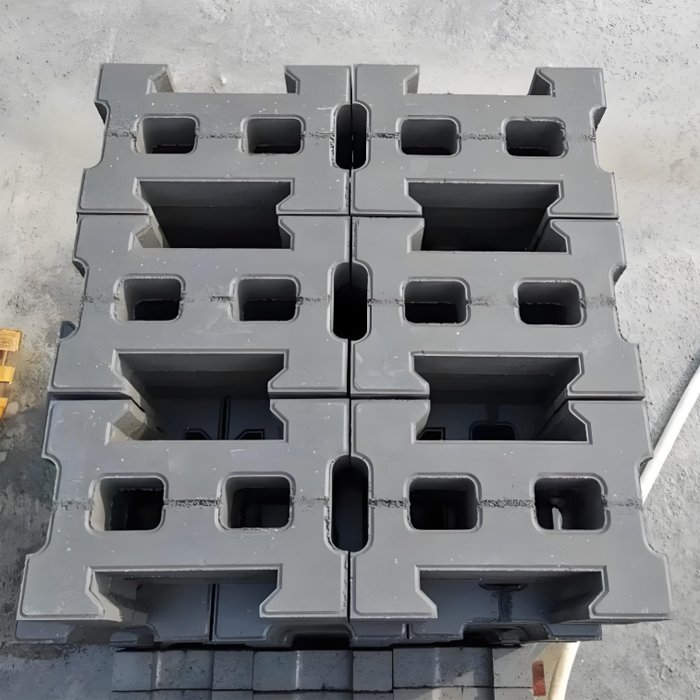
While traditional bricks are based on clay, sand and lime, modern processes widely use alternative materials such as fly ash, industrial wastes and cement. Eco-bricks and special function bricks (e.g. hollow, interlocking turn, heat insulation) will introduce raw materials such as plastics, rice husk ash and fibers.
The selection of raw materials needs to take into account the cost, environmental protection and performance requirements of the brick body, while improving the quality and yield of bricks through the optimization of ratios and additives, and implementing large-scale production.
If you’re interested in our brick-making machines, contact us immediately!
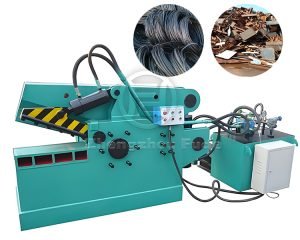
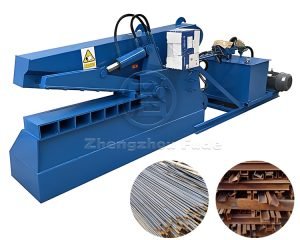
The crocodile shearing machine is mainly used for cold cutting various shapes of steel and metal structures, and is one of the important equipment in the metal recycling and processing industry.
Whether you're a business owner, a remote worker, or simply someone looking to safely dispose of sensitive documents, shredding is an essential service. Many people turn to reputable service providers like Office Depot for secure shredding solutio...
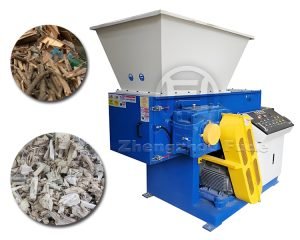
Choosing an industrial shredder is a major decision for your business. It is not just about buying a machine; it is about investing in a process that directly affects your efficiency and profitability. At Fude Machinery, the most common question w...
In this article, we will explore garbage shredder rental costs, factors that influence the price, and how to choose the right shredder for your requirements.
 Fudemetal Crusher