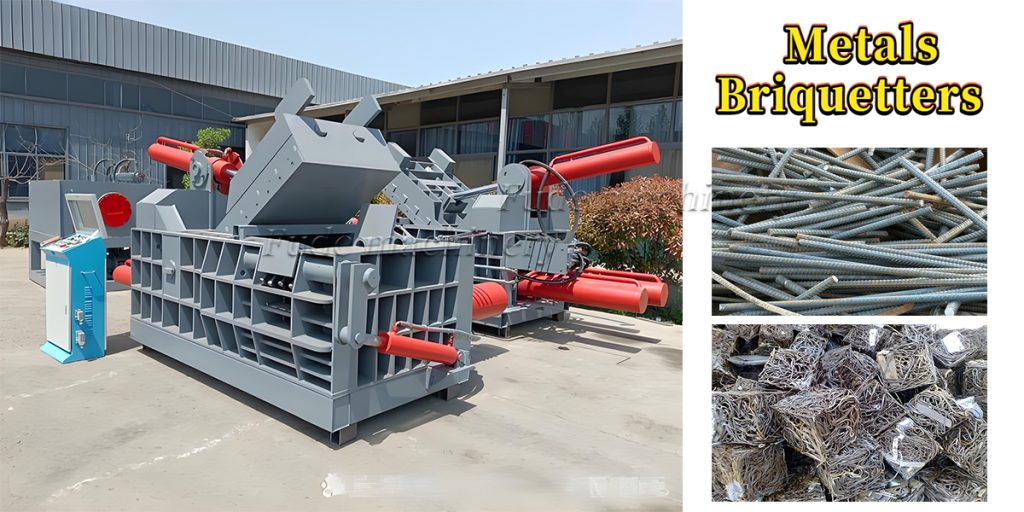
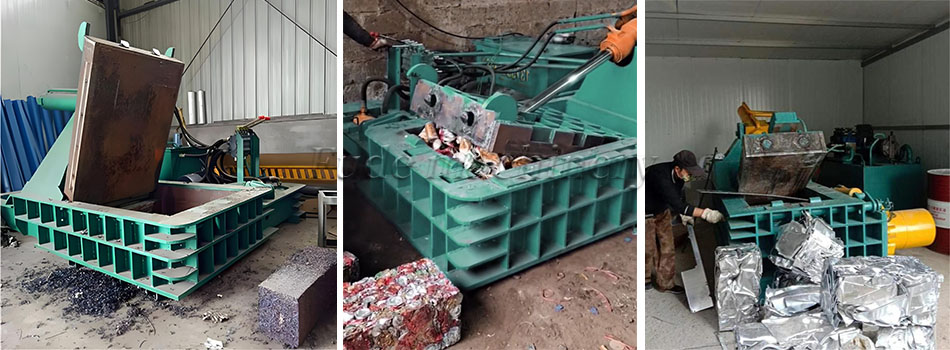
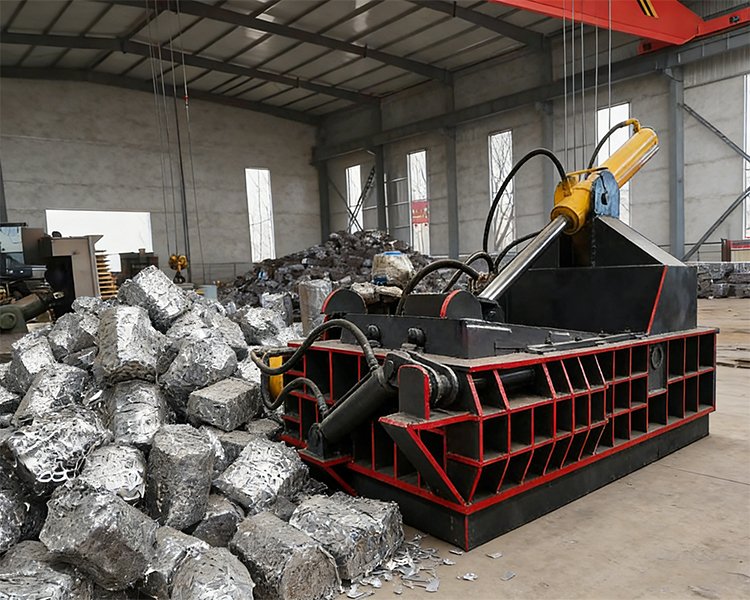
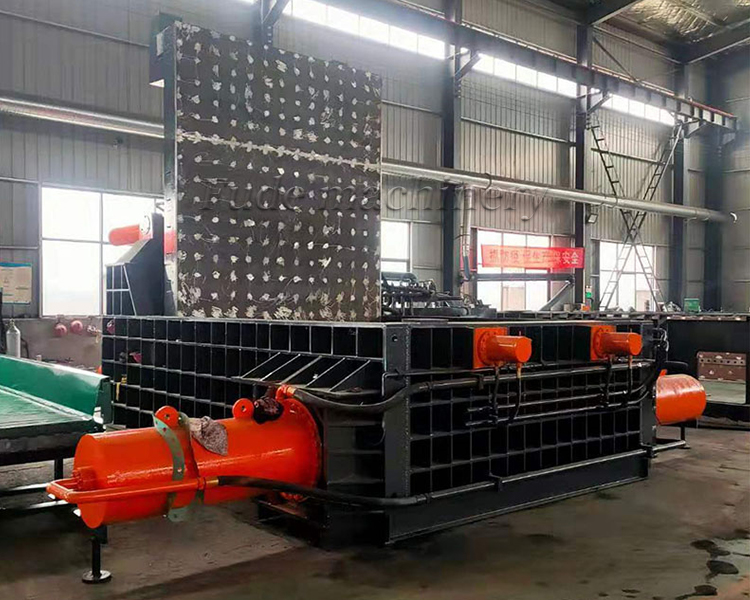
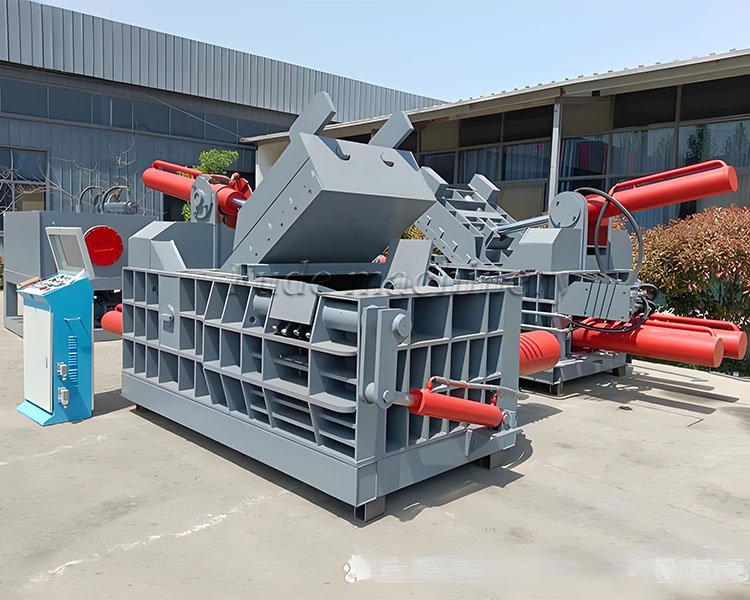
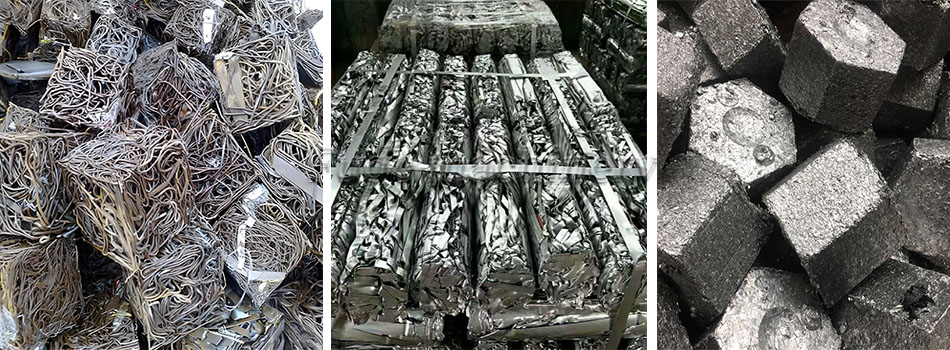
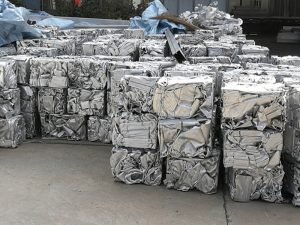
An automatic metal baler represents the next level in scrap processing technology. While a standard baler requires an operator to manage each cycle, a fully automatic system is designed for continuous, hands-free operation. It integrates features like automatic feeding, three-side clamping, and automatic bale ejection and turnover to create a seamless workflow. This machine is not just about convenience; it is a strategic investment designed to drastically reduce your labor costs, significantly increase your processing speed, and produce consistently high-quality, dense bales.
How Does a Fully Automatic Baling Process Actually Work?
The process is a perfectly synchronized sequence of actions controlled by a central PLC. Unlike semi-automatic models, an automatic baler minimizes human intervention. Once the system is running, it can process scrap continuously as long as material is being fed into it. This creates a predictable, high-volume output that is impossible to achieve with manual operation.
Step 1: Automated Feeding
The process begins with a heavy-duty conveyor belt continuously feeding scrap metal into the baler’s large hopper. Sensors inside the hopper monitor the material level. Once the correct amount of scrap is in the compression chamber, the conveyor automatically pauses, and the baling cycle begins.
Step 2: Three-Side Clamping and Compression
This is where the magic happens. Instead of just a lid and a side ram, this advanced system uses three separate hydraulic cylinders to pre-compress the scrap.
The lid cylinder pushes down from the top.
A side cylinder pushes in from the side.
A second side cylinder pushes from an adjacent side. This “clamping” action packs the material into a tight, uniform log before the main ram even moves. This ensures there are no voids and results in a significantly denser final bale.
Step 3: Final Main Ram Compression
With the scrap already tightly pre-compressed, the powerful main ram pushes forward. It applies the final, immense pressure that forms the material into a solid, high-density bale. Because of the effective pre-compression, the main ram can achieve maximum density more efficiently.
Step 4: Automatic Ejection and Bale Turnover
Once the bale is formed, the chamber door opens. Then, a unique bale turnover mechanism automatically tips the finished bale out of the chamber. This system ejects the bale cleanly and positions it perfectly for a forklift to pick up or for the next stage of an automated line. The system then immediately resets for the next cycle, and the conveyor starts feeding again.
What is “Three-Side Clamping” and Why is It a Game Changer?
Three-side clamping is a superior method of compression that creates denser, more uniform bales. Think about packing a messy suitcase. A standard baler is like just pushing the lid down—you get compression, but the contents can shift, creating soft spots. Three-side clamping is like neatly pressing the contents down from the top and both sides before you even try to close the lid. Everything is already compact and stable.
This method provides two key advantages:
Higher Bale Density: By removing empty space from multiple directions first, the final compression from the main ram is far more effective. Denser bales are more valuable to foundries and cheaper to transport.
Consistent Bale Shape: It produces perfectly square, stable bales every time. These bales are easier to stack, store, and handle, which improves safety and logistics in your yard.
Compression Method
How It Works
Resulting Bale Quality
Best For
Standard Baling
Lid closes (top), then one side ram (side), then main ram (front).
Good density, but can have soft spots or voids.
General-purpose, lower volume operations.
Three-Side Clamping
Lid (top), Side Ram 1 (side), Side Ram 2 (adjacent side), then main ram.
An automatic baler is the right choice for high-volume operations where labor costs and efficiency are top priorities. While it represents a larger initial investment than a standard machine, the return on investment can be incredibly fast for the right type of business. You are a prime candidate for an automatic system if you meet several of these criteria:
You process over 20 tons of scrap per day. The speed and continuous operation of an automatic baler are needed to keep up with this volume.
Labor costs are a significant part of your budget. An automatic system can often be run with a single supervisor instead of multiple operators, cutting labor needs by 50% or more.
You have a consistent, steady stream of scrap material. These machines are most efficient when they are running continuously. They are perfect for large stamping plants or high-traffic scrap yards.
You want to integrate the baler into a larger processing line. The predictable, automated output is easy to link with shredders, conveyors, and sorting systems.
If your operation is smaller or has inconsistent scrap flow, a semi-automatichydraulic baler may be a more cost-effective solution.
Common Questions and Answers
Question 1: Are these automatic systems complicated to maintain? While more technologically advanced, they are designed for industrial use. We use high-quality, reliable components (like Siemens PLCs and Parker hydraulics) to ensure durability. Routine maintenance is straightforward, and the system’s self-diagnostic features will alert you to any issues, making troubleshooting simple.
Question 2: What happens if the scrap material gets jammed? Our automatic systems are designed with overload protection. If the machine detects a jam or an object that is too large, the cycle will automatically stop, and an alarm will sound. This prevents damage to the machine.
Question 3: Can an automatic baler be customized? Absolutely. This is a core part of our service. We can customize the conveyor length and width, the hopper size, the bale dimensions, and the control system to perfectly match your material and your factory’s layout.
Summary and Recommendations
An automatic metal baler with advanced features like three-side clamping and automatic bale turnover is the ultimate tool for high-efficiency scrap processing. It directly addresses the biggest operational costs—labor and time—by creating a continuous, hands-free workflow. This technology produces denser, more valuable bales at a much faster rate than standard machines. For large scrap yards, metal stamping plants, and high-volume recyclers, upgrading to a fully automatic system is a strategic decision that delivers a rapid and significant return on investment.
About Fude Machinery
We are Fude Machinery, a leading Chinese manufacturer specializing in advanced scrap metal recycling solutions. Since 2015, we have been providing B2B clients in over 120 countries with customized, factory-direct equipment. Our 8,000-square-meter facility is dedicated to engineering and building the most reliable and efficient automatic metal balers on the market. We control the entire process, from design to final assembly, ensuring top quality at a competitive price. We offer full-circle support, including installation, training, and lifetime technical assistance.
Ready to take your scrap processing to the next level of automation and profitability? Contact our engineering team today for a free consultation and a quote on a system designed for you.
What Is a "Standard" Baler?Key Features of a Standard BalerWhat Defines an Industrial Baler Machine?The Power of Automation and ScaleIndustrial vs. Standard Baler: A Head-to-Head ComparisonWhich Industries Use Which Baler Type?Who Needs a Standard...
In simple terms: what is an industrial shredder used for?Why Reduce Material Size?How Shredders Achieve ThisGot Piles of Waste? See How Industrial Shredders Help Solve Processing Problems?Tackling Specific Waste ChallengesEnvironmental and Economi...
Sorting Plastic Waste?How Sorting WorksCommon Plastic Types to SortWhy Shredding is Key?Types of Shredders We Make for PlasticCleaning and Separating Plastic?Turning Processed Plastic into New Products?Why Pelletize Plastic?Customization is Key Pl...
 Fudemetal Crusher