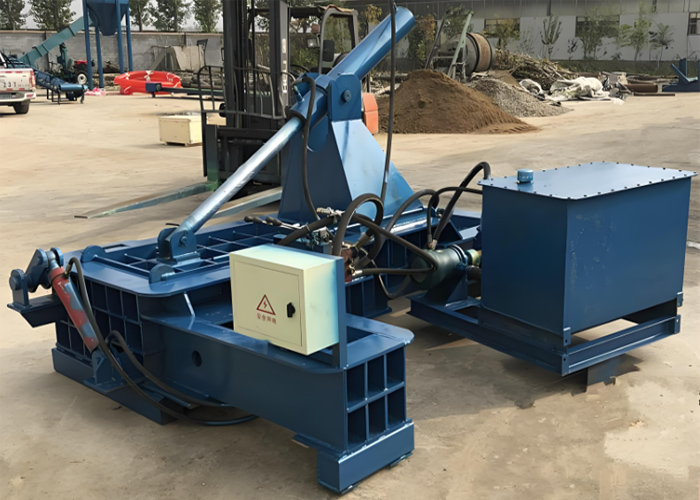
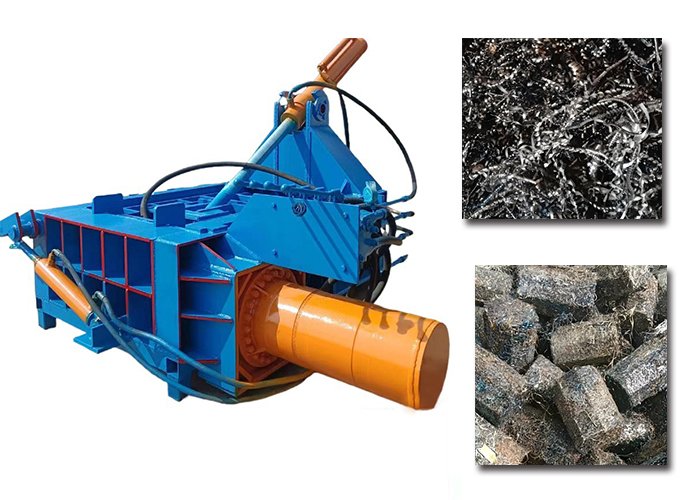
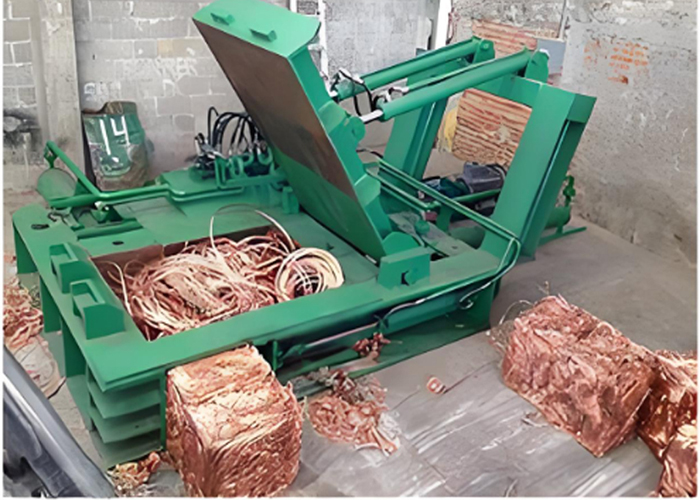
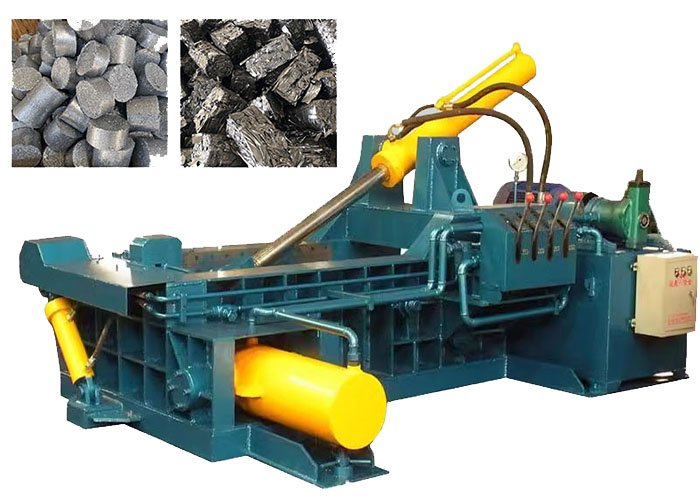
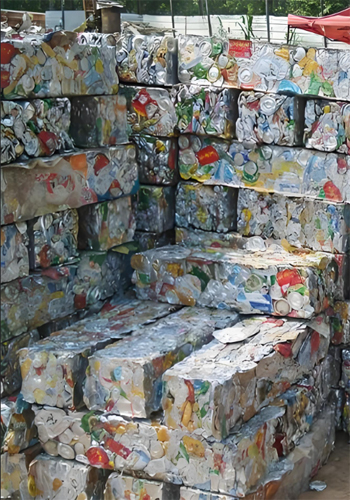
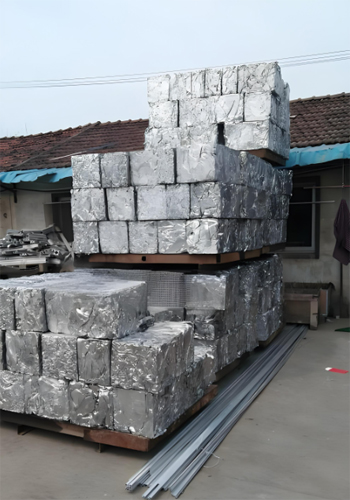
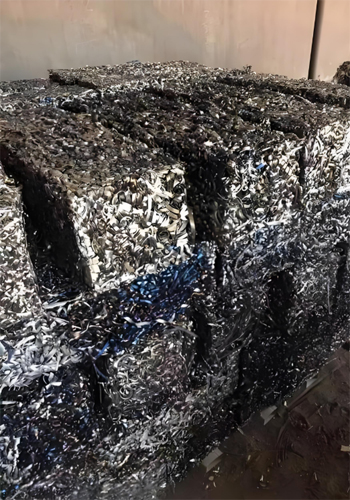
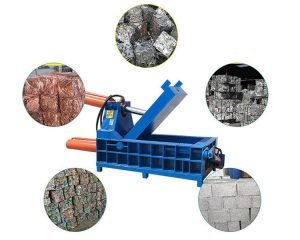
A metal baler machine is the workhorse of the scrap recycling industry. Its primary job is simple but essential: to take bulky, loose scrap metal—like aluminum siding, steel sheets, and car bodies—and compress it into dense, uniform blocks called bales. This process is not just about tidying up your scrap yard. It is a fundamental step in making scrap metal a valuable and tradable commodity. By drastically reducing the volume of the material, a metal baler machine makes it cheaper to store and transport, and easier for steel mills to melt and reuse.
What is the Basic 3-Step Process of a Metal Baler Machine?
The process is a straightforward sequence of loading, compressing, and ejecting. Understanding this simple cycle is key to appreciating how this machine can transform your scrap handling. At Fude Machinery, we design our balers for intuitive operation, ensuring that this powerful process is also easy to manage.
Step 1: Loading the Press Box
The cycle begins by loading loose scrap metal into the machine’s main chamber, known as the press box or compression box. This is typically done using a grapple-equipped excavator or a heavy-duty conveyor belt. The size of this box is a critical feature; a larger press box, like the one on our heavy-duty models, allows you to load more material at once, including large, bulky items like whole car shells or long pieces of aluminum extrusion. This reduces the number of loading cycles needed per day, saving time and fuel.
Step 2: Hydraulic Compression
Once the press box is full, the operator closes the lid, and the hydraulic system is activated. This is the core of the baler’s function. A series of powerful hydraulic cylinders work in a specific sequence to compress the scrap:
Lid Cylinder: The lid closes, applying the first stage of downward pressure, flattening the material.
Side Cylinder: A side ram pushes in horizontally, compressing the scrap from the side.
Main Ram: Finally, the most powerful cylinder, the main ram, pushes forward, applying immense force to compact the material into a final, dense bale.
Step 3: Ejecting the Finished Bale
After the final compression, the front gate of the press box opens. The main ram then pushes forward one last time to eject the finished, compacted bale out of the machine. The bale can be pushed onto the ground for a forklift to collect or ejected directly onto a conveyor system. The machine is then ready for the next load.
Why is a Large Press Box So Important?
A large press box directly translates to higher efficiency and the ability to process more types of scrap. This is one of the most important specifications to consider when choosing a metal baler machine. A small press box can become a major bottleneck in your operation, forcing you to cut large pieces of scrap down to size before you can even load them.
The benefits of a large compression box are clear:
Process Larger Scrap: You can easily handle bulky items like automotive parts, white goods (appliances), and long structural beams without pre-cutting. This saves significant labor and time.
Fewer Loading Cycles: You can load more material in each cycle. This means your excavator operator spends less time loading and more time sorting incoming scrap, improving overall yard efficiency.
Increased Throughput: Fewer, larger cycles mean more tons of scrap processed per hour.
Car bodies, appliances, long extrusions, mixed bulky scrap.
Excellent for high-volume, varied scrap streams.
The Ultimate Goal: Achieving High Bale Density
The density of your finished bale is directly tied to your profit margin. While speed and size are important, the final density of the bale is what scrap buyers and steel mills care about most. A dense bale has less air and more metal packed into the same volume.
Why is high density so critical?
Higher Selling Price: Mills pay more for dense bales because they melt more efficiently in the furnace, with less material lost to oxidation (burn-off).
Lower Shipping Costs: You can fit more weight into every truckload. A truck that can legally carry 20 tons might only fit 10 tons of loose, fluffy bales. With dense bales, you can load the full 20 tons, effectively cutting your shipping costs in half.
Safer and Easier to Handle: Dense bales are solid, stable, and easy to stack. This reduces the risk of stacks collapsing and makes them easier to handle with forklifts and cranes.
Achieving high density comes down to the baler’s design and power—specifically, the force (tonnage) of its hydraulic cylinders. For more on our powerful balers, see our main hydraulic baler page.
What Are the Key Components of a Reliable Metal Baler?
A baler is a long-term investment, and its reliability depends on the quality of its core components. As a factory, we focus on using high-quality, durable parts to ensure our machines can withstand the harsh environment of a scrap yard for years.
Robust Steel Structure: The frame and press box must be built from thick, high-strength steel to handle the immense pressures without flexing or cracking.
High-Quality Hydraulic System: This is the heart of the machine. We use reliable pumps, valves, and seals from trusted brands to ensure consistent power and prevent costly leaks. An efficient cooling system (air or water) is also essential to prevent overheating during continuous operation.
Wear-Resistant Liners: The inside surfaces of the press box are subjected to extreme abrasion. We use replaceable wear liner plates made from hardened steel (like Hardox or a similar grade) to protect the main structure and make maintenance easy.
Intuitive Control System: A modern PLC (Programmable Logic Controller) system with a simple interface makes the machine easy to operate, adjust, and troubleshoot.
Common Questions and Answers
Question 1: Can this machine handle stainless steel scrap? Yes, a powerful metal baler machine is fully capable of baling stainless steel. However, because stainless steel is tougher than regular carbon steel or aluminum, you may need a baler with a higher tonnage rating to achieve the desired bale density.
Question 2: How much power does a large metal baler consume? The power consumption depends on the size of the electric motor, which is determined by the machine’s tonnage and cycle speed. We design our hydraulic systems to be as efficient as possible, often using variable pumps that only draw maximum power during the compression phase, which helps to reduce overall energy costs.
Summary and Recommendations
A metal baler machine is an essential tool that brings order, efficiency, and profitability to scrap recycling. By following a simple three-step process of loading, compressing, and ejecting, it transforms bulky, low-value scrap into dense, high-value bales. When choosing a machine, pay close attention to the size of the press box, as this will dictate your operational efficiency. However, the ultimate goal is always to produce the densest bales possible, which requires a machine with sufficient hydraulic power. By investing in a well-built baler with high-quality components, you are investing in the long-term success of your recycling operation.
About Fude Machinery
We are Fude Machinery, a specialized Chinese manufacturer of heavy-duty scrap metal recycling equipment. Since 2015, we have been providing B2B clients in over 120 countries with robust, reliable, and customized Metal Baling Press. As a factory-direct seller, we eliminate the middleman, offering superior technology at a more competitive price. Our 8,000-square-meter facility and expert engineers are dedicated to building machines that work hard and last long. We provide comprehensive support, from initial consultation and custom design to global installation and after-sales service.
Ready to simplify your scrap recycling and boost your profits? Contact Fude Machinery today for a free consultation and a customized quote for the perfect baler.
Why Do Businesses Need to Invest in Industrial Shredders?Enhancing Resource RecoveryImproving Workplace Safety and EfficiencyWhat Tough Materials Can Industrial Shredders Handle?Handling Scrap MetalsProcessing Rubber and TiresTackling Plastics and...
Crusher vs. Shredder: What's the Real Difference?When is a Plastic Crusher the Right Tool for the Job?Ideal Applications:How Does a Crusher Guarantee a Uniform Flake?FAQ: Your Plastic Crusher QuestionsConclusion: The Right Tool for a Refined, Valu...
Can I Use a Metal Baler for Machine Shop Chips and Turnings?Are Metal Balers Effective for Sheet Metal Offcuts and Stampings?Can Metal Balers Handle Scrap Wire and Cable Effectively?Will a Metal Baler Work for Heavy Castings or Structural Steel?Ho...
This article explores the different types of waste disposal units, factors that influence their cost, and provides a detailed breakdown of prices. We will also introduce Fude Machinery’s line of industrial metal crushers and briquetting equipment,...
 Fudemetal Crusher