In the scrap metal business, volume is a challenge, but value is the ultimate goal. Anyone can break metal. The real question is, how do you transform your basic scrap into a premium product that steel mills and foundries are willing to pay more for? The answer often lies in a powerful, and frequently misunderstood, machine.
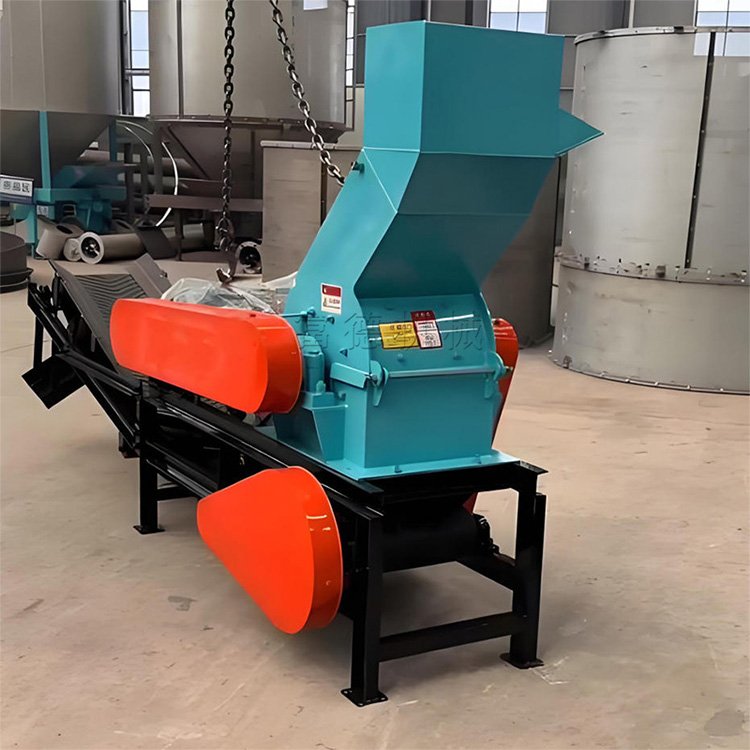
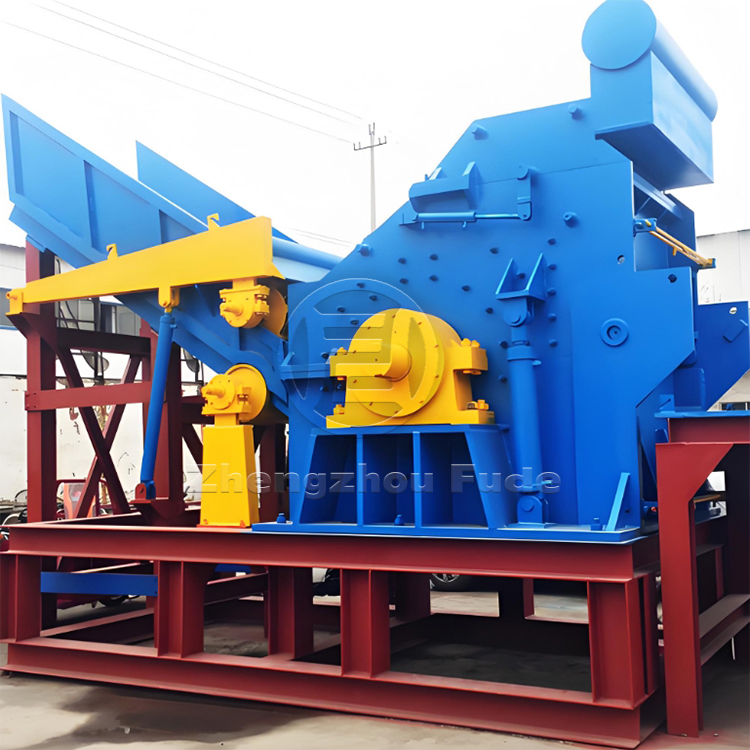
At Fude Machinery, we see the metal crusher as more than just a size-reduction tool. It is a Value Creator. While a shredder conquers the volume of large items, a metal crusher (or hammer mill) takes that material and refines it into a dense, clean, and highly sought-after commodity. This guide reveals how this machine can be the secret to unlocking higher profits from your scrap yard.
Table of Contents
Why “Crushing” is About Value, Not Just Size
The final price of your scrap metal is determined by its quality. Steel mills pay a premium for material that is dense, clean, and of a consistent size. This “furnace-ready” scrap melts more efficiently, has fewer contaminants, and is cheaper to transport. A metal crusher is the machine designed to create this premium product.
This table shows the real-world financial impact of proper processing.
Scrap Characteristic
Loose, Unprocessed Scrap
Crushed & Cleaned Scrap
The Financial Impact For You
Bulk Density
Low (e.g., 20-30 lbs/cu ft). You are shipping a lot of air.
High (e.g., 70-100 lbs/cu ft). Dense and compact.
You fit more weight into every truck, drastically cutting your transportation costs per ton. A 50% increase in shipping efficiency is common.
Cleanliness
Contains dirt, plastic, rubber, fabric, and other non-metallics (known as “fluff”).
Clean. The violent impact inside the crusher liberates non-metallics for easy separation.
Steel mills pay a lower price or may reject material with high contamination. Clean scrap consistently commands a higher price per ton.
Handling
Awkward, tangles in equipment, hard to manage.
Uniform, fist-sized “nuggets” that flow easily on conveyors and into furnaces.
Faster and more efficient handling in your yard and at the steel mill, reducing labor costs and improving operational speed.
Crusher vs. Shredder: Choosing the Right Tool?
Using the terms “crusher” and “shredder” interchangeably is a common and costly mistake. They are different tools with different jobs. A professional scrap yard often needs both.
The Shredder is the Volume Conqueror.
The Crusher is the Value Creator.
The Metal Shredder: The Volume Conqueror
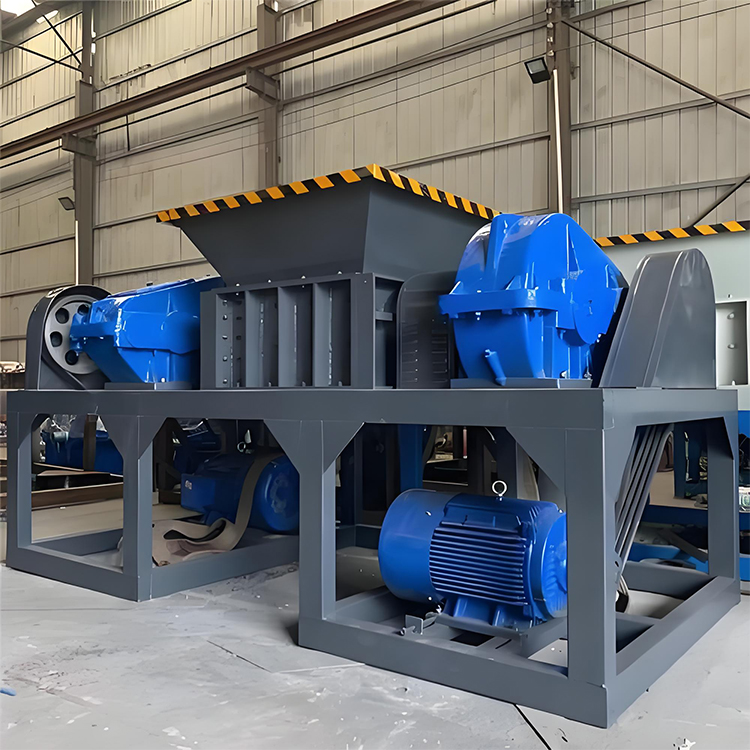
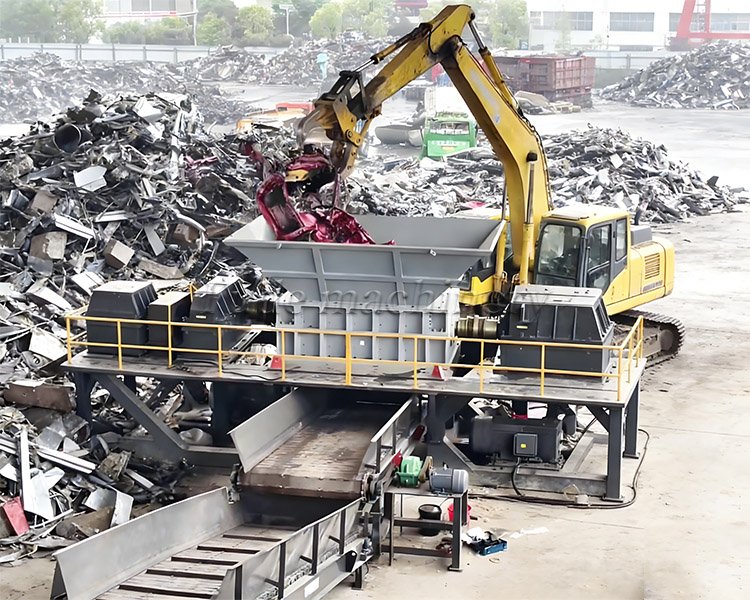
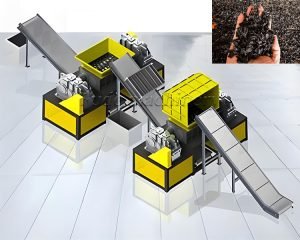
Our dual-shaft shredders are the first line of attack for large, bulky items. They are low-speed, high-torque machines that use two massive shafts to slowly and powerfully shear and rip apart whole cars, appliances, and heavy structural scrap.
Goal: To perform the primary size reduction, turning unmanageable items into smaller, conveyable pieces.
The Metal Crusher (Hammer Mill): The Value Creator
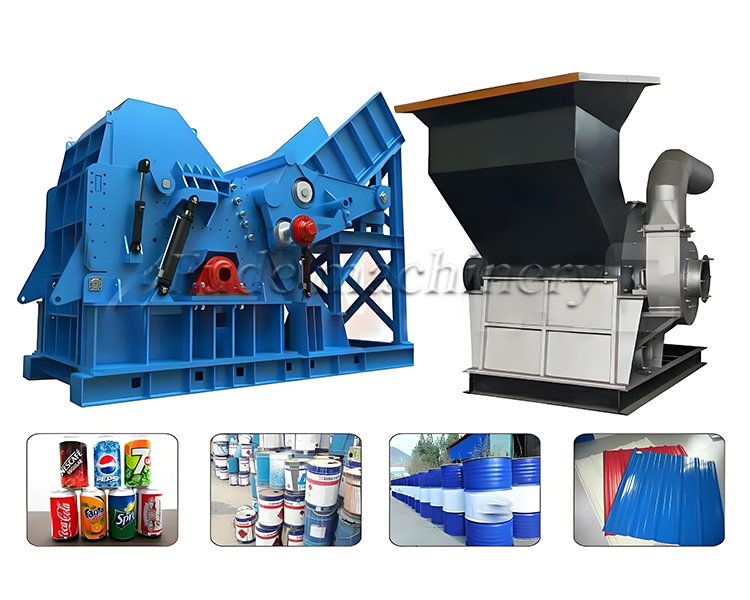
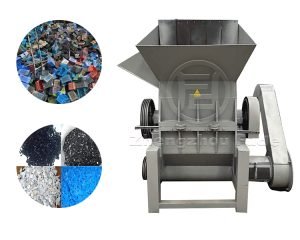
Our metal crushers, also known as hammer mills, are the second step. They are high-speed impact machines. Material is fed into a chamber where dozens of free-swinging, hardened steel hammers spinning at high RPMs violently smash the metal against an anvil plate, shattering and densifying it.
Goal: To densify light scrap (like shredded material or aluminum cans) and liberate contaminants, creating a premium, clean product.
How a Metal Crusher Liberates Contaminants
The “value creation” happens through a process of violent liberation and separation. When a piece of scrap (like a section of a car door from a shredder) enters the hammer mill, this is what happens:
Impact: The hammers strike the metal with incredible force.
Liberation: This impact shatters brittle materials like plastic and glass. It also rips away softer materials like fabric, rubber, and foam from the metal they are attached to.
Densification: The metal itself is hammered and folded into a dense, ball-like shape.
Separation: After the crusher, the material stream is sent to a separation line. The light, non-metallic “fluff” is easily removed by air suction (an Air Knife or Z-Box), while the heavy, clean metal continues on. Powerful magnets separate the ferrous steel from non-ferrous metals like aluminum.
This process is the key to producing a high-purity metal product that fetches the best price.
FAQ: Your Metal Crusher Business Questions
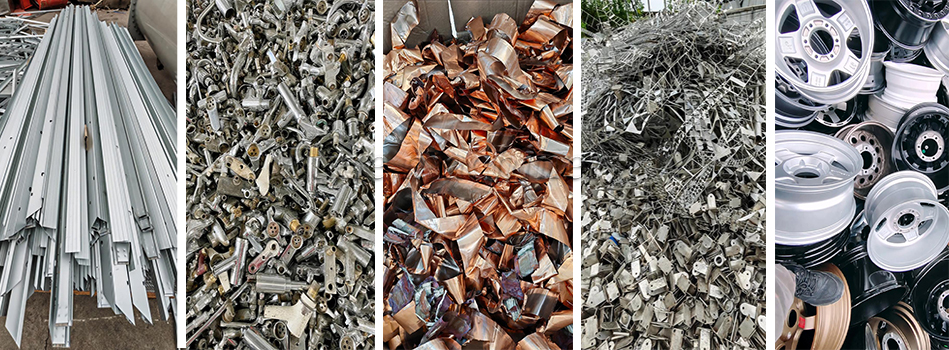
Question 1: What kind of scrap is best for a metal crusher? Metal crushers (hammer mills) excel at processing light to medium-gauge ferrous and non-ferrous scrap. This includes crushed car bodies (post-shredder), aluminum and steel cans (UBCs), sheet metal offcuts, aluminum siding, and white goods (appliances). They are not designed for heavy, solid steel like engine blocks.
Question 2: What is the maintenance like? The primary wear parts are the hammers and the liner plates inside the mill. These are designed to be sacrificial and are made from extremely hard manganese steel. We design our mills for easy access, allowing your crew to quickly rotate or replace the hammers to maintain peak performance. Regular hard-face welding can also greatly extend the life of the components.
Question 3: Does it create a lot of dust? Yes, the process is inherently dusty. A complete and responsible installation always includes an integrated dust collection system (a baghouse). This not only keeps your yard clean and compliant with environmental regulations but also captures valuable fine metallic particles that can be sold.
Conclusion: Stop Breaking Metal, Start Creating Value
Your success in the scrap industry depends on the quality of the product you sell. By moving beyond simple size reduction and focusing on creating a premium, furnace-ready commodity, you can significantly increase your profitability.
The metal crusher, or hammer mill, is the key piece of equipment in this value-creation process. It is the machine that densifies your material, cleans it of contaminants, and transforms it into the high-grade product that the market desires most. As a factory-direct manufacturer, we can provide not just the crusher, but the complete, integrated system you need to maximize the value of every ton of scrap you handle.
Contact us at Fude Machinery to discuss how you can start creating a more valuable product today.
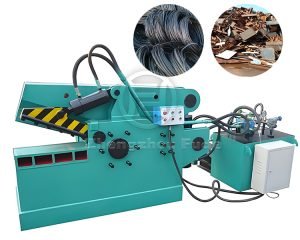
The crocodile shearing machine is mainly used for metal cutting in the waste material recycling and processing industry, as well as in small and medium-sized steel mills.
What Waste Shredders Really Do for Your Business Operations?How Shredders Save You Money and Space?What Types of Waste Shredders Does Fude Machinery Offer for Your Business Needs?Getting the Right Shredder for Your Specific Waste?Why Choose Fude M...
Metal shredding is a crucial process in waste management and recycling. It involves breaking down metal waste into smaller, more manageable pieces, facilitating easier handling, transportation, and recycling. The shredded metal can then be melted ...
 Fudemetal Crusher