 Fudemetal Crusher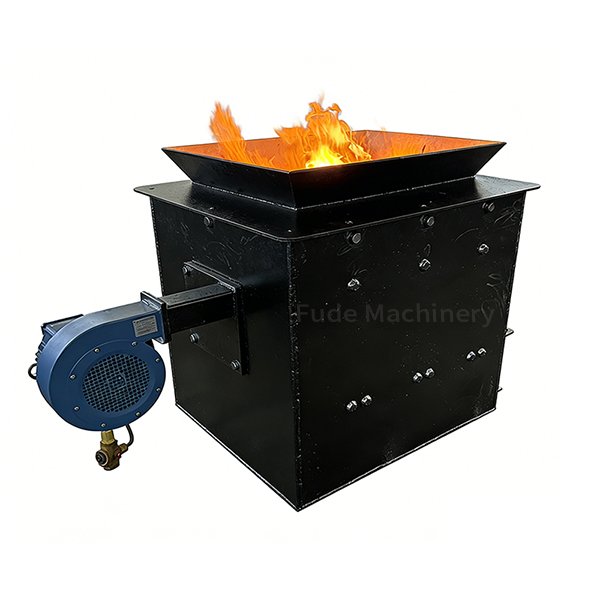
What is the purpose of a double axis shredder?
1069Double axis shredder, also known as shear shredder, is an industrial equipment that reduces material size through cutting, tearing, and squeezing.
View detailsSearch the whole station
With increasingly stringent environmental regulations, traditional open-air incineration and rudimentary incineration equipment commonly suffer from issues such as billowing black smoke, odor nuisance, ash and slag pollution, and excessive emissions. Not only do these methods fail to meet standards for the safe disposal of solid waste, but they also frequently lead to environmental complaints and regulatory penalties.
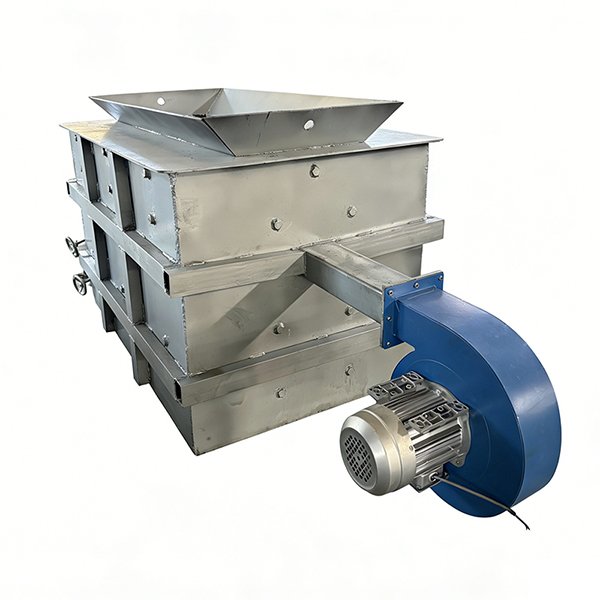
Leveraging mature high-temperature clean incineration technology, the new generation of smokeless waste incinerators overcomes the shortcomings of traditional incineration equipment. With core advantages such as smokeless and odorless operation, high-efficiency volume reduction, safety and compliance, and broad adaptability, these units have become the preferred solid waste treatment equipment for settings including towns and villages, agricultural and forestry parks, medical institutions, religious sites, and industrial and mining enterprises. They help industries across the board achieve on-site, harmless, reduced-volume, and resource-recovery waste treatment.
The smokeless incinerator is a new type of waste treatment equipment designed based on negative pressure technology. Far from being a crude “burn-it-all-at-once” method, it strictly adheres to the 3T principles of combustion—Temperature, Time, and Turbulence—and employs a three-stage combustion process combining high-temperature pyrolysis gasification, secondary combustion, and complete combustion to thoroughly decompose waste at temperatures ranging from 450°C to 1100°C.
To learn more about our smokeless incinerators through video demonstrations, please contact us.
The smokeless incinerators manufactured by Fude Machinery are suitable for the vast majority of combustible solid waste. With their high compatibility, they can reliably and efficiently incinerate a wide range of materials, effectively addressing the challenges associated with solid waste treatment.
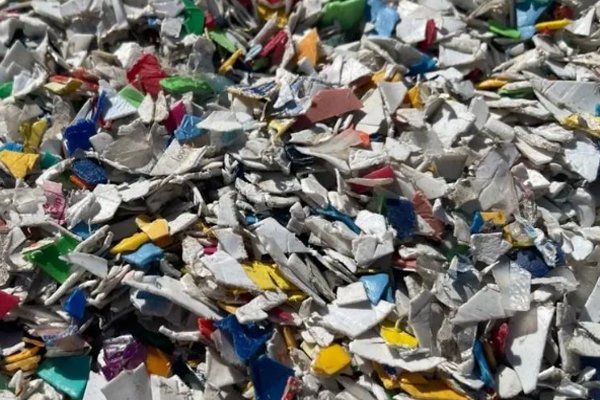
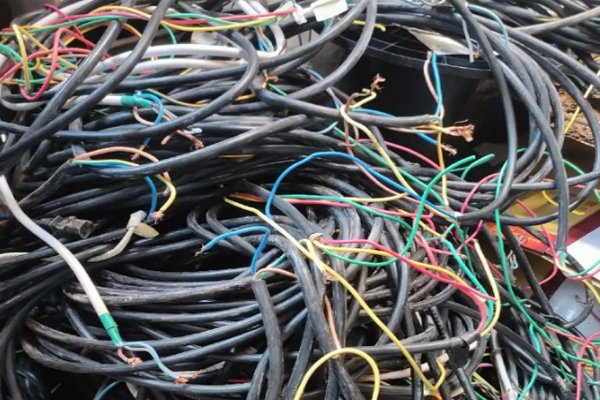

Smokeless incinerators offer broad compatibility with various materials, flexible specifications, and consistent smokeless emissions performance, making them suitable for a wide range of applications and providing precise solutions to solid waste management challenges across different industries and sites.

| Fude 003 Incinerator | Shell: 8mm thick A3 steel plate |
| Inner chamber: 12mm thick high-temperature resistant steel plate specifically designed for boilers | External dimensions: 160010001200mm |
| Internal dimensions: 1280*720mm | Processing capacity: 300-400kg |
| Weight: 850kg | Inlet size: 1280*520*860 |
With environmental regulation now the norm, the safe and clean treatment of solid waste has become a mandatory requirement across all industries. The Fude smokeless incinerator stands out for its key features: no smoke emissions, minimal odor, high combustion efficiency, low cost, and broad adaptability. It overcomes the shortcomings of traditional incineration equipment—such as excessive pollution, low efficiency, and cumbersome operation and maintenance—and meets the needs of multiple sectors, including residential, commercial, municipal, and industrial applications.
It not only helps various settings thoroughly resolve solid waste treatment challenges and avoid environmental penalties but also significantly reduces costs associated with waste collection, landfill disposal, and outsourced treatment. By balancing safety and environmental protection, it serves as the optimal one-stop solution for the safe and environmentally sound treatment of solid waste across all scenarios.
Q:What materials can be burned?
A:The Fude smokeless incinerator can burn plastics, rubber, medical waste, household waste, waste oil and liquids, crop straw, ritual offerings, and virtually all combustible waste.
Q:Where are incinerators used?
A:Hospitals, rural areas, factories, tourist attractions, temples, farms, docks, airports, and more—it can be used anywhere there is trash.
Q:Do I need to add diesel or natural gas?
A:No, it doesn’t. As long as the waste has a calorific value of 3,000 kcal per kilogram, it will burn on its own without any combustion aids.
Fude Machinery is a comprehensive export manufacturer that integrates manufacturing and sales. Our smokeless incinerators are environmentally friendly treatment systems that utilize high-temperature gasification technology, specifically designed for the safe, volume-reducing, and resource-recovery treatment of various types of domestic, industrial, and solid waste. Through a multi-stage combustion system, our products ensure smoke-free operation, minimal odor, and emissions that meet regulatory standards, making them an ideal solution for meeting modern environmental requirements.
If you’re struggling with the disposal of bulky waste, rubber, cables, or household waste, check out our smokeless incinerator.
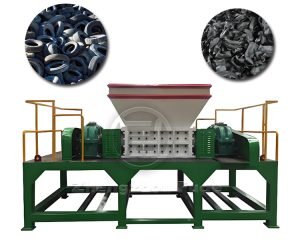
Double axis shredder, also known as shear shredder, is an industrial equipment that reduces material size through cutting, tearing, and squeezing.
View details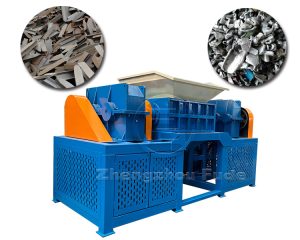
A car shredder is a mechanical device specifically designed for processing large pieces of automotive materials.
View details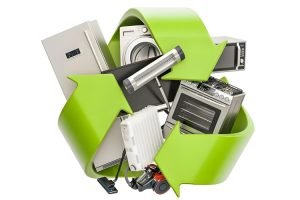
How do we process waste appliances?Initial StepsSize ReductionMaterial SeparationWhat materials do we get from waste appliances?Recovered Materials and UsesWhy is recycling appliances important for the future?Protecting the EarthSaving ResourcesRu...
View details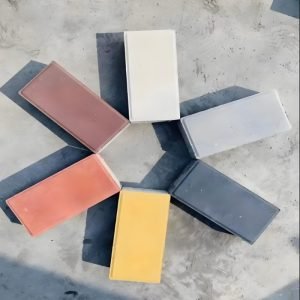
The main raw material of traditional clay brick machineMaterials for modern industrial brick-making machinesRaw materials for cement brick making machineRaw materials for ecological/alternative material bricksRaw materials for special customized t...
View details