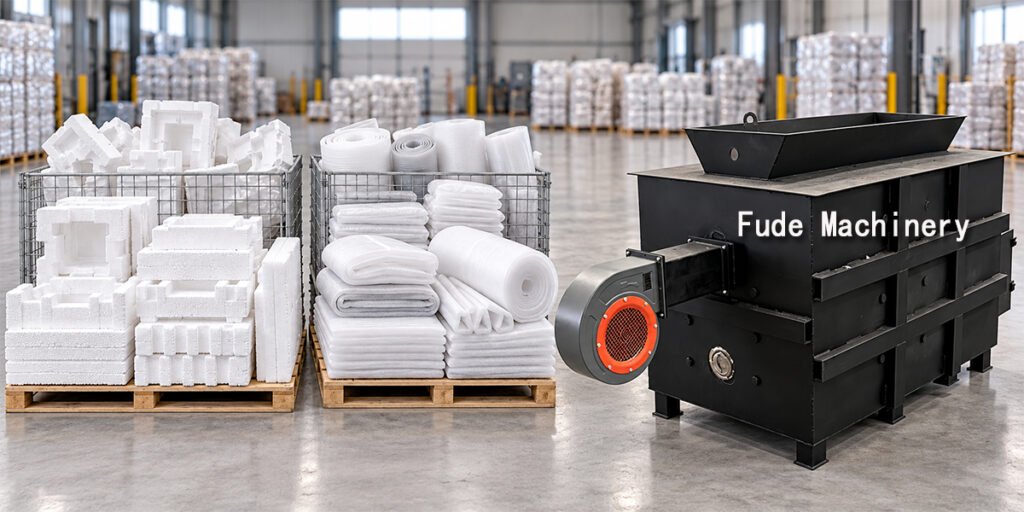
Some foam packaging waste can be incinerated in a properly designed waste incinerator, but it must first be identified and evaluated. EPS, EPE, and EPP packaging are combustible and have relatively high calorific values. However, PVC foam, flame-retardant foam, chemically contaminated foam, and unidentified mixed foam should not be burned without specialist assessment.
Foam should never be burned in the open air or placed in an unsuitable furnace. Its low density, rapid heat release, chemical additives, and tendency to melt can cause unstable combustion, heavy smoke, equipment damage, and non-compliant emissions.
The safe treatment method depends on the foam type, contamination level, available recycling options, incinerator design, flue-gas treatment system, and local environmental regulations.
Table of Contents
What Is Foam Packaging Waste?
Foam packaging is a lightweight material used to protect products during storage and transportation. Its cellular structure absorbs shock, provides thermal insulation, and reduces packaging weight.
Common sources include:
Household appliance packaging
Furniture packaging
Electronic product packaging
Food transport boxes
Protective corner blocks
Industrial equipment packaging
Fruit and vegetable boxes
Insulated shipping containers
Automotive component packaging
Online shopping parcels
Although different foam products may look similar, their chemical compositions can be very different. Identifying the polymer is therefore the first step before recycling or incineration.
What Types of Packaging Foam Are Commonly Used?
Expanded Polystyrene Foam
Expanded polystyrene, commonly known as EPS, is a lightweight rigid foam composed of many small fused beads. It is widely used for appliance protection, insulation boxes, protective corners, and food packaging.
EPS is combustible and has a high energy content. When burned under uncontrolled conditions, however, it can melt, produce dense black smoke, and release incompletely burned gases.
Clean EPS should be considered for recycling before incineration. Contaminated or non-recyclable EPS may be evaluated for controlled thermal treatment in a suitable system.
Expanded Polyethylene Foam
Expanded polyethylene, or EPE, is a flexible and resilient packaging material. It is often used for electronic products, furniture, glass, tools, and precision equipment.
EPE is also combustible. Because it is lightweight and can melt during heating, it must be fed gradually rather than loaded into the combustion chamber in large quantities.
Expanded Polypropylene Foam
Expanded polypropylene, or EPP, is a strong, lightweight foam used in reusable packaging, automotive components, protective cases, and industrial transport containers.
Clean EPP is often suitable for material recycling. If recycling is not practical, selected EPP waste may be evaluated for controlled incineration.
Polyurethane Foam
Polyurethane, or PU foam, may be found in protective packaging, insulated panels, refrigeration products, furniture, and cushioning materials.
PU formulations vary considerably. Some contain flame retardants, adhesives, coatings, or other additives that can affect combustion and emissions. PU foam should therefore be identified and assessed before incineration.
PVC Foam
PVC foam can be used in signs, display boards, building materials, flooring components, and certain protective products.
PVC-containing waste requires special caution because combustion can produce acidic gases and increase the demands placed on the flue-gas cleaning system. PVC foam should not be treated as ordinary packaging foam.
Quick Comparison of Packaging Foam Types
Foam type
Common applications
General treatment consideration
EPS
Appliance packaging, boxes and protective blocks
Prefer recycling; controlled incineration may be possible
EPE
Electronics, furniture and glass packaging
May be combustible but requires controlled feeding
EPP
Reusable industrial and automotive packaging
Prefer recycling; evaluate non-recyclable material
PU foam
Cushioning, insulation and furniture
Composition and additives must be confirmed
PVC foam
Construction, signs and display boards
Requires specialist assessment and gas treatment
Unknown mixed foam
Mixed commercial or industrial waste
Do not incinerate until identified
Can EPS Foam Be Incinerated?
Non-recyclable EPS foam may be incinerated in certain properly configured systems, but it should not be added in large uncontrolled batches.
EPS contains a large volume of air and a relatively small mass of plastic. When heated, it shrinks and melts quickly. Once ignition occurs, it can release heat rapidly and produce smoke if oxygen, temperature, and gas mixing are insufficient.
The main operational risks include:
Rapid heat release
Melting material inside the furnace
Sudden flames
Dense smoke during incomplete combustion
Lightweight pieces moving with the airflow
Uneven feeding
Plastic adhering to cooler surfaces
To maintain stable operation, EPS should be clean, identified, broken into manageable pieces, and fed at a controlled rate. It may also need to be mixed with suitable waste rather than burned as the only feed material.
Why Does Foam Produce Black Smoke?
Black smoke generally indicates that the combustible gases and carbon particles are not burning completely.
Possible causes include:
Loading too much foam at once
Insufficient secondary air
Low secondary-combustion temperature
Poor gas-and-air mixing
Cold furnace conditions
Blocked air inlets
Excessive feeding speed
Contaminated or unidentified foam
An unsuitable combustion chamber
Inadequate residence time
In a multi-stage system, the primary chamber converts solid foam into heat and combustible gases. These gases then require additional oxygen, temperature, mixing, and residence time in the secondary combustion area.
Clean, separated foam should generally be considered for reuse or recycling before incineration.
Recycling May Be Preferred When:
The foam is clean and dry
The polymer type is known
A local recycling facility accepts it
Sufficient quantities are available
The material can be compacted economically
Transportation costs are manageable
EPS, EPE, and EPP may be compacted or densified to reduce their volume before transportation. Densification can make lightweight foam more practical to store and recycle.
Incineration May Be Considered When:
The foam is too dirty for material recycling
It is mixed with non-recyclable combustible packaging
Recycling facilities are unavailable
Long-distance transportation is uneconomical
The polymer composition is known
The incinerator is designed for the material
Suitable emission controls are installed
Local authorities permit the treatment method
The choice should be based on the complete waste-management system, not only on the fact that foam occupies a large amount of storage space.
How Should Foam Waste Be Prepared?
Proper preparation improves combustion stability and reduces operational risks.
Identify the Material
Check labels, recycling codes, supplier information, Safety Data Sheets, and production records. Do not rely only on color or appearance.
Remove Other Materials
Separate:
Batteries
Electronic components
Metal parts
Glass
Gas cartridges
Pressure containers
PVC components
Chemically contaminated material
Reduce the Size
Large foam blocks may interfere with controlled feeding. Cutting or shredding them into manageable pieces can make the loading rate more consistent.
Very lightweight fragments should be contained so they cannot be carried away by wind or uncontrolled airflow.
Keep the Foam Dry
Water does not normally penetrate closed-cell foam easily, but surface water and attached wet waste can still cool the furnace. Store the material in a covered location.
Control the Feeding Rate
Do not fill the furnace with loose foam. Introduce small, regular quantities and monitor the flame, temperature, and exhaust condition.
Perform a Controlled Test
For industrial quantities, a representative sample test can help determine:
Feeding rate
Heat-release behavior
Need for mixing
Ash characteristics
Smoke behavior
Gas-treatment requirements
What Type of Incinerator Is Needed for Foam Waste?
A system intended to process foam packaging should provide controlled feeding and effective secondary combustion.
Important features may include:
A heat-resistant primary chamber
Adjustable primary and secondary airflow
A secondary combustion zone
Sufficient gas residence time
Stable high-temperature operation
Controlled feeding access
Suitable refractory lining
Safe ash removal
Appropriate flue-gas treatment
Temperature-monitoring instruments
The required configuration changes with the foam composition and treatment capacity. A machine used for occasional clean packaging waste may have different requirements from a system processing industrial foam continuously.
Identified foam may sometimes be mixed with other suitable combustible waste to produce a more stable feed.
Possible mixing materials include:
Paper and cardboard
Dry textiles
Selected household combustible waste
Untreated dry wood
General packaging waste
The mixture should not include batteries, aerosol cans, PVC, electronic waste, glass, large metal parts, hazardous chemicals, or unidentified industrial residues.
Because foam can release heat quickly, its proportion in the feed should be controlled. The correct ratio depends on the furnace, foam type, other waste, moisture content, and operating temperature.
Frequently Asked Questions
Can Styrofoam Be Burned in a Waste Incinerator?
Styrofoam is commonly used as a general name for EPS packaging foam. Non-recyclable EPS may be treated in an appropriately designed incinerator after its composition has been confirmed. It should be fed gradually and should never be burned in the open air.
Does Burning Foam Produce Black Smoke?
Foam can produce black smoke when combustion temperature, oxygen supply, mixing, or residence time is insufficient. Adding too much foam at once is a common cause of incomplete combustion.
Can Foam Packaging Be Mixed with Household Waste?
Identified foam may be mixed with suitable combustible household waste in controlled proportions. Batteries, pressurized containers, PVC, electronic waste, chemicals, and other prohibited materials must be removed first.
Can Polyurethane Foam Be Incinerated?
Some PU foam may be treated in specialized equipment, but formulations vary. The presence of flame retardants, coatings, adhesives, and contaminants must be confirmed before incineration.
Can PVC Foam Be Incinerated?
PVC foam should not be burned in a general-purpose incinerator. It requires specialist assessment because its chlorine content can produce acidic gases and place greater demands on the flue-gas treatment system.
Is Recycling Better Than Incineration for EPS?
Clean and separated EPS should be considered for recycling. Incineration is more relevant when the material is contaminated, non-recyclable, or too difficult to transport economically, provided that controlled treatment is permitted.
Does Foam Reduce the Need for Auxiliary Fuel?
Foam can have a relatively high calorific value, but it should not be used as an uncontrolled substitute for fuel. Its feeding rate and heat release must remain within the incinerator’s operating limits.
Conclusion
Foam packaging waste can sometimes be incinerated, but the answer depends on what type of foam it is.
Clean EPS, EPE, and EPP are often candidates for recycling. When recycling is not practical, selected non-recyclable foam may be evaluated for controlled thermal treatment. PU foam requires composition checking, while PVC, flame-retardant, chemically contaminated, and unidentified foam require specialist assessment.
Successful treatment depends on correct material identification, controlled feeding, stable combustion, sufficient secondary air, suitable gas residence time, and appropriate flue-gas treatment. Open burning and uncontrolled loading should always be avoided.
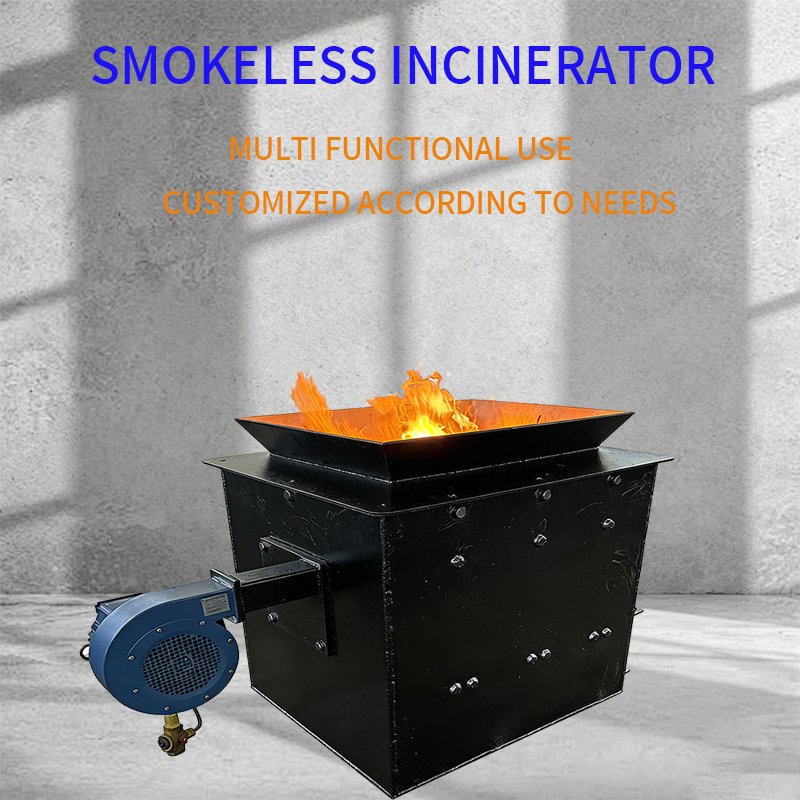
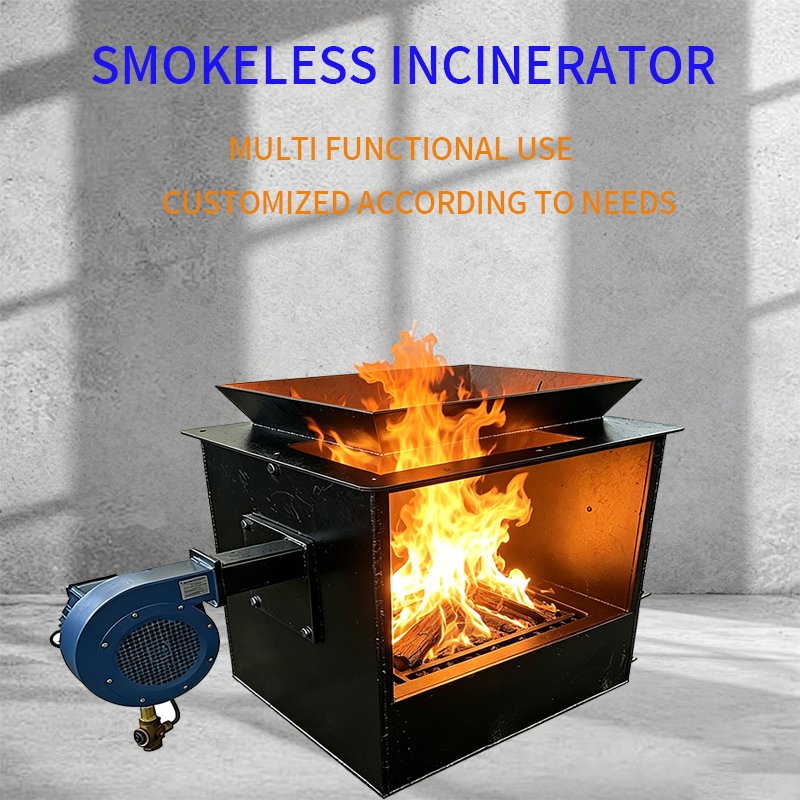
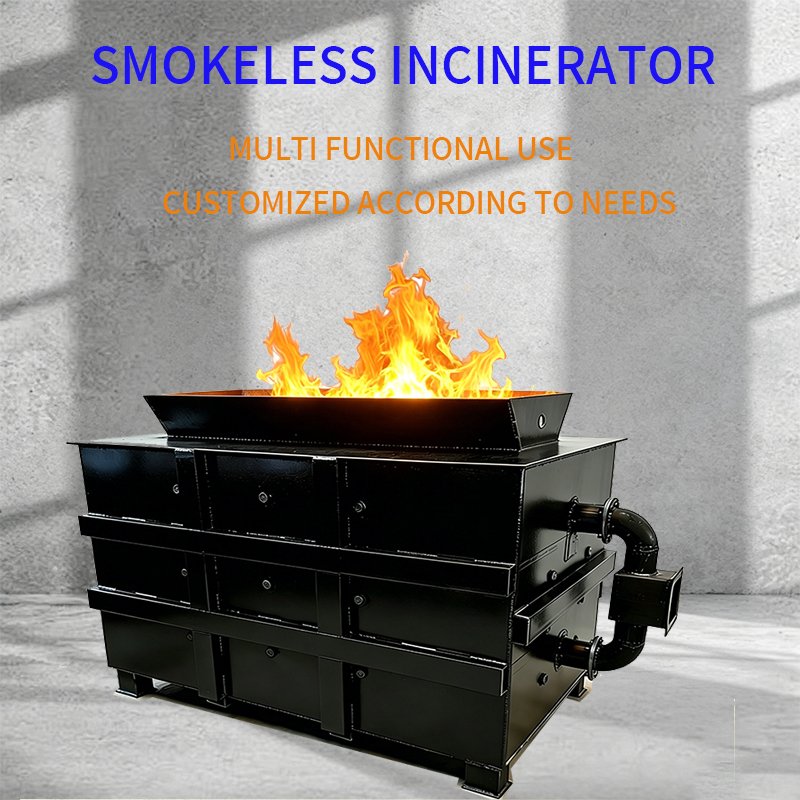
Fude Machinery supplies smokeless waste incinerators for selected household, packaging, agricultural, commercial, and general industrial waste applications.
To evaluate your foam packaging waste, please provide:
Foam type, if known
Product or packaging source
Clear photographs and videos
Daily waste quantity
Contamination information
Safety Data Sheet, if available
Other materials mixed with the foam
Required operating hours
Installation country or region
Local emission requirements
Contact Fude Machinery for material evaluation, equipment selection, combustion testing, and customized waste-incineration solutions.
Important Notice: Waste classification, plastic incineration, equipment installation, emissions, ash disposal, and operating permits must comply with the laws and environmental requirements applicable at the installation location.
Table of Contents Industrial paper shredders are indispensable for businesses that handle sensitive information or require high-volume shredding. These machines ensure data security and optimize waste management while offering durability and effic...
Your factory or recycling yard has a problem. It's filled with bulky plastic scrap like pipes, bottles, and production rejects. This waste takes up valuable space, costs a fortune to haul away, and sells for a very low price. A plastic crushe...
Shredders play a crucial role in industries, offices, and even homes. From securely disposing of sensitive documents to breaking down large-scale waste materials, shredders cater to diverse needs. In this article, we will explore the 5 best shredd...
Choosing the right industrial shredder can feel complicated. You have a specific material to process, and you need a machine that can handle it reliably and efficiently. At Fude Machinery, we know the most important question is always: which shred...
 Fudemetal Crusher