In the process of urban and rural environmental management, the problems of billowing black smoke and foul odors caused by traditional incineration methods have long been a persistent environmental challenge in many settings. From the thick black smoke that once blanketed the sky during the early days of open-air waste burning to the acrid fumes emitted by small, rudimentary incinerators, these issues not only degrade the quality of life for nearby residents but also have a direct negative impact on regional air quality. The widespread adoption of smokeless incinerators is fundamentally transforming this situation, truly achieving the environmental goal of “eliminating black smoke emissions.”
Table of Contents
Definition of a Smoke-Free Waste Incinerator
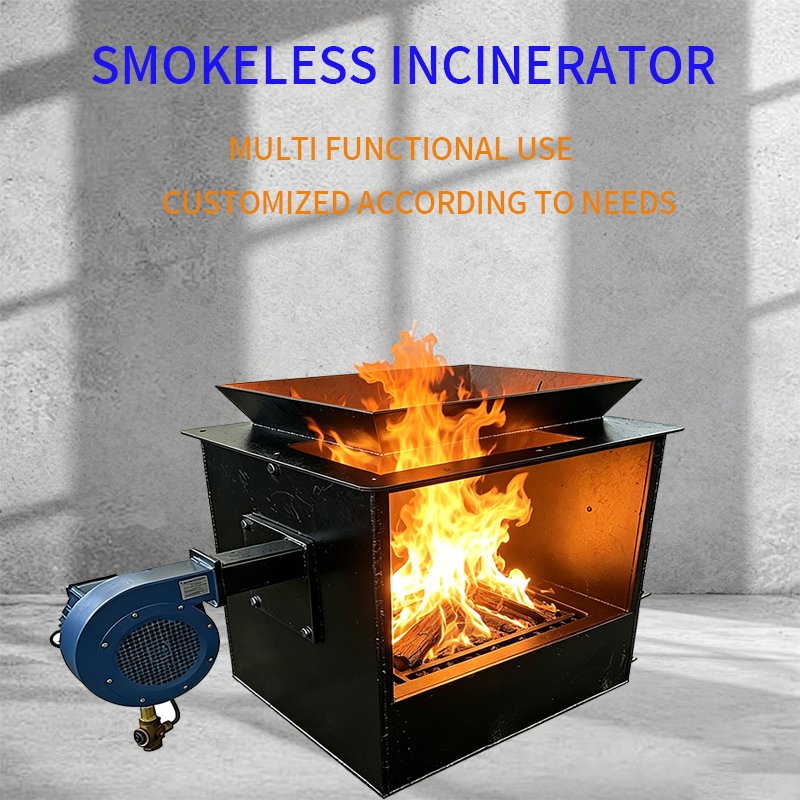
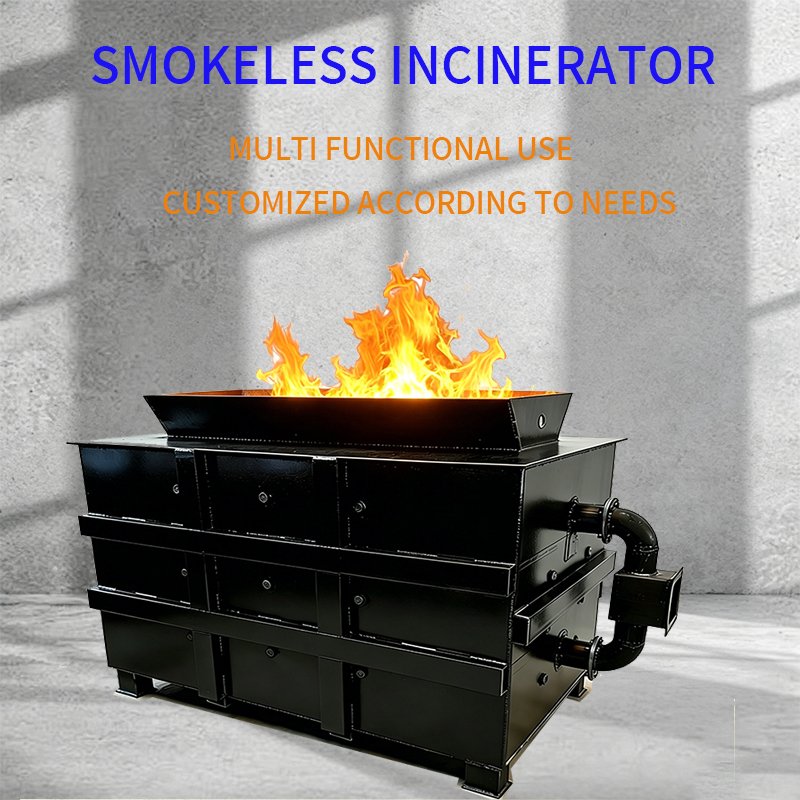
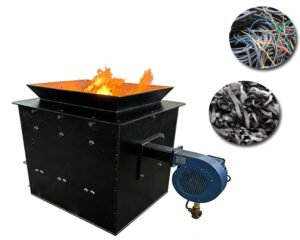
The smokeless waste incinerator is a new type of waste treatment equipment designed with negative pressure. It adheres to the 3T principles of combustion and achieves complete combustion through high-temperature pyrolysis combined with exhaust gas treatment technology. It features the core characteristics of being smokeless, odorless, and free of secondary pollution, and can process various types of waste with a calorific value of 50–500 kg/h.
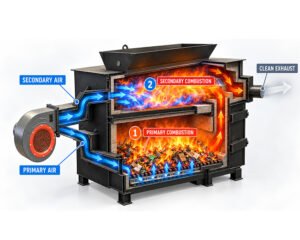
Core Structure and Operating Principles of a Smokeless Incinerator
Three-stage combustion chamber design: The first-stage grate performs high-temperature volatilization and pyrolysis; the second-stage combustion chamber carries out deep pyrolysis combustion; and the third-stage combustion chamber ensures complete combustion of combustible materials. The flue gas is then cooled and purified before being discharged in compliance with regulatory standards.
Logic of Multi-Stage Pyrolysis: In an anaerobic or anoxic environment, organic matter is converted into combustible gases and harmless residues as it sequentially passes through a drying zone (200–300°C), an anoxic pyrolysis zone, a reduction zone, and an oxidation zone (850–1000°C).
Core Smoke-Free Technology: Through secondary combustion, the initial exhaust gases are directed into a high-temperature zone to be completely burned off, while a physical purification device captures particulate matter, significantly reducing black smoke emissions.
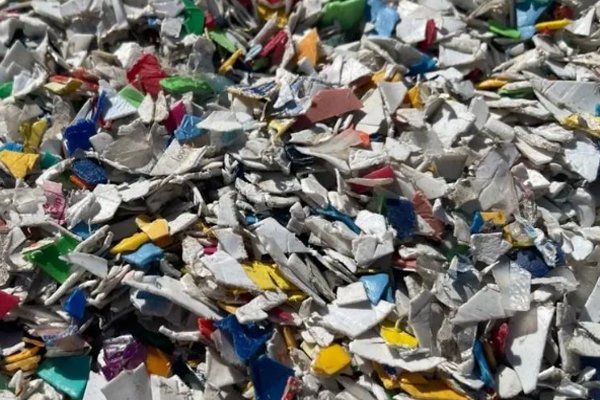
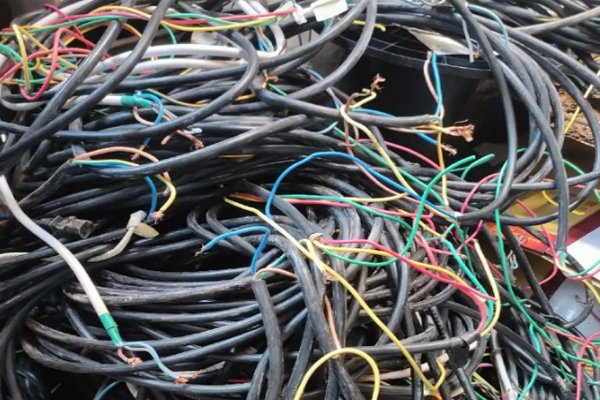
Industrial waste: polymer-based waste such as plastics, rubber, waste fibers, resins, and coatings.
Medical waste: medical contaminants such as syringes, gauze, and infected organs.
Household waste: Cardboard, wood shavings, fallen leaves, and other everyday household waste.
Special Waste: Hazardous waste materials such as waste oil, waste solvents, sludge, and spray painting residues.
Smokeless incinerators are now widely used across various sectors of production and daily life, becoming an essential environmental solution in diverse settings. In urban communities and residential neighborhoods, they enable the local processing of sorted household waste, eliminating issues such as leakage and odors associated with long-distance transportation, and putting an end to the black smoke from open-air burning around residential areas;
In towns and rural areas, mobile smokeless incinerators address the challenge of inadequate waste collection and transportation systems in remote villages, enabling on-site, environmentally sound treatment of household waste.
In hospitals and healthcare facilities, they are used to process infectious medical waste. The fully enclosed, smokeless operation prevents the spread of pathogens through flue gases, fully complying with environmental regulations for medical waste disposal;
In addition, smokeless incinerators can be found in industrial parks, livestock farms, tourist attractions, slaughterhouses, laboratories, and other settings, catering to waste disposal needs of varying scales.
How do you use a smokeless incinerator?
Environmental and Material Inspection: Place the equipment in a well-ventilated area away from flammable and explosive materials. Sort the materials to be incinerated, removing large, hard objects and highly explosive items, and ensure that materials with high moisture content are not mixed in.
Comprehensive Equipment Inspection: Check the furnace door seal and ensure the flue is unobstructed; verify that the burner, temperature sensor, and power supply lines are free of damage; remove any residual ash and slag from the furnace; and confirm that the water level in the water seal device is normal.
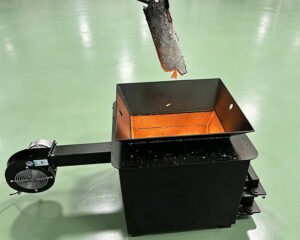
Starting the Equipment: Turn on the main power supply to the equipment and start the draft system. First, place kindling such as dry wood shavings or paper at the bottom of the furnace. After lighting it, gradually add dry firewood to preheat the furnace to a temperature of 300°C or higher.
Start the burner: Continue heating to the standard incineration temperature of 850°C, maintain a stable and even flame, and avoid smoke caused by incomplete combustion at low temperatures.
During operation: Feed fuel evenly in small, frequent batches; each batch should not exceed 1/4 of the furnace volume to prevent the flame from being smothered by a large single batch of fuel.
Monitor the furnace temperature throughout the process, maintaining the temperature of the oxidation zone between 850 and 1000°C. Periodically check the flue gas emissions to ensure they are colorless and odorless, and stir the material inside the furnace as needed to promote complete combustion.
Clean out the furnace ash regularly according to the shift schedule, keep the air ducts inside the furnace clear, and shut down the machine immediately to investigate if you notice unusual noises from components or abnormal temperatures.
Shutdown Maintenance: After stopping the feed, wait until all waste in the furnace has been completely burned out, then shut off the burner and keep the draft system running for 15 minutes to exhaust any residual flue gas from the furnace.
After the furnace has cooled completely, remove the ash from inside the furnace, seal the ash properly, turn off the main power supply, and disconnect the power lines.
Waste Incinerator Specifications—Customizable
Model Number
FD-002
Shell
4mm thick A3 steel plate
Inner chamber
12mm thick high-temperature resistant steel plate specifically designed for boilers
External dimensions
1000*900*1000mm
Processing capacity
150-220kg
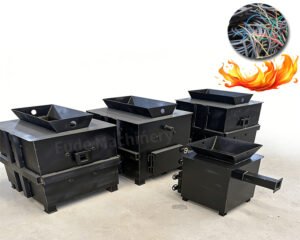
Customizable mobile smokeless incinerators, medical waste incineration systems for hospitals, plastic and rubber waste incinerators, and industrial scrap incineration systems.
Why Use a Smoke-Free Waste Incinerator?
Eliminating black smoke emissions is merely the most basic function of smokeless incinerators; behind this lies a host of other noteworthy benefits. By supporting the development of “zero-waste cities,” smokeless incinerators can achieve a waste volume reduction rate of over 80 percent. The slag produced after incineration is chemically stable and can be used for brick-making and road paving, truly realizing a closed-loop cycle that transforms waste into resources and significantly reducing the pressure on landfill space.
More importantly, they strike a balance between environmental protection and community needs. As air quality standards continue to rise across the country, smokeless incinerators are becoming standard equipment for environmental management in both urban and rural areas. Through technology, they demonstrate that efficient waste treatment and clean air are not mutually exclusive—they are not an either/or choice.
A smokeless waste incinerator works by controlling temperature, airflow, combustion time, and gas movement inside the furnace. Waste is first dried and thermally decomposed in the primary chamber. The combustible gases and smoke particles produced...
Smokeless incinerators can process a wide variety of combustible solid wastes, including municipal solid waste, paper, cardboard, textiles, wood, agricultural residues, packaging materials, and certain types of general industrial waste. Fude Machi...
The smokeless garbage incinerator is a novel harmless waste treatment equipment designed based on negative pressure. It adopts an advanced combustion method combining high-temperature pyrolysis gasification, secondary combustion, and burnout treat...
The smokeless incinerator is a new type of waste treatment equipment designed using negative pressure technology. Far from being a crude “burn-it-all” method, it strictly adheres to the 3T principles of combustion—temperature, time, and turbulence...
 Fudemetal Crusher